Sexuality

The Editorial: Fiction and Sexuality
For many of us, it was fiction that fed our souls as children, and now as adults who are still ‘growing up’, it feeds us still. Fiction makes, remakes and unmakes us who walk in worlds of the imagination. It liberates us to dream various versions of ourselves and others into being as the articles in this month’s In Plainspeak eloquently reveal.
By TARSHI
September 15, 2017
Issue in Focus: “Is that Book Feminist?”
Fiction is a realm within which we can imagine the limitlessness of our feminist realities. By censoring fiction itself in an anxiety to perform what we understand as feminism, is to censor our imaginations, its subtle negotiations with reality and its potential in generating desires and dreams we hardly knew of. Does this mean we don’t critique books and movies? Definitely not! Critique is fun. Critique is important. Critique is how we grow. But the judgement needs to stop.
By Shweta Krishnan
September 1, 2017
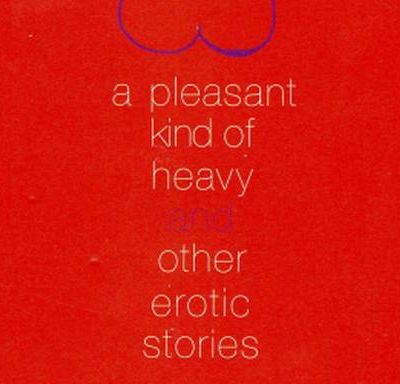
Queer Women in Aranyani’s A Pleasant Kind of Heavy and Other Stories*
Aranyani’s writing most certainly has a sensory charm and no two people are going to experience her narration the same way. I wish you a happy and gloriously gay reading of this fleshy collection of erotic stories!
By Swati Vijaya
September 1, 2017
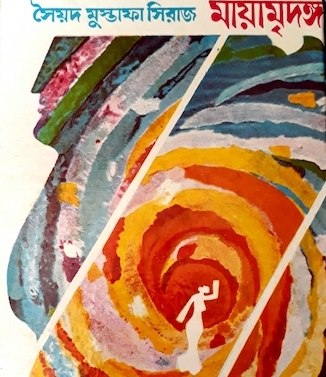
Making women out of men: Mystifying queer desires, staging queerness in Siraj’s Māyā Mridanga
Māyā Mridanga infinitely problematises the nature vs. nurture debate that is central to sexuality studies. The novel seems to suggest that a certain kind of male body – feminine, smooth, shapely – is the ideal raw material for making a chhokra out of a biological man. Ustaad Jhaksa, whose life the novel documents[2], repeatedly emphasises on this act of nurturing, moulding and pruning of a feminine male body for which he has fatherly affection as well as a lover’s lust.
By Kaustav Bakshi
I Column : Fiction and Sexuality
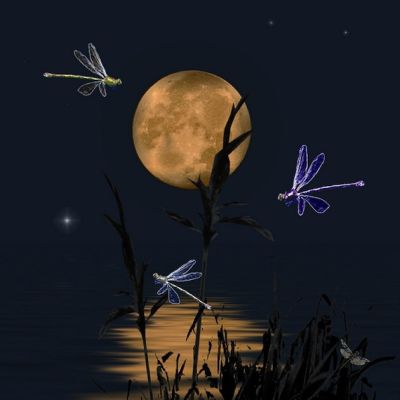
What is fiction? Is it born of reality? Or does it birth reality, reflecting it back at me until I see the things I do not see? Until I find the person that is me? Until I dance my horse dance under moon, under stars, in a room full of people who like horse dancing just as much as they like the swirly skirt and the pot-bellied person doing the Bhangra.
By Shikha Aleya
September 1, 2017
Video Page: Sita sings the Blues
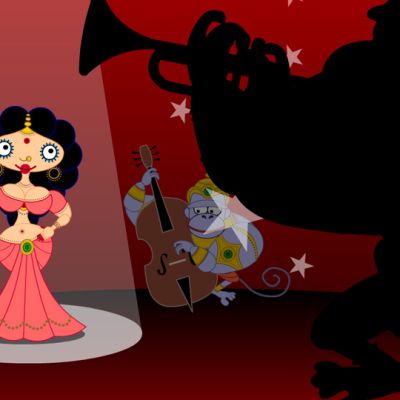
Sita Sings the Blues is an animated retelling of the Ramayana, an ancient Indian epic about the Hindu god Rama…
By Curated Content
September 1, 2017
Interview: Shohini Ghosh
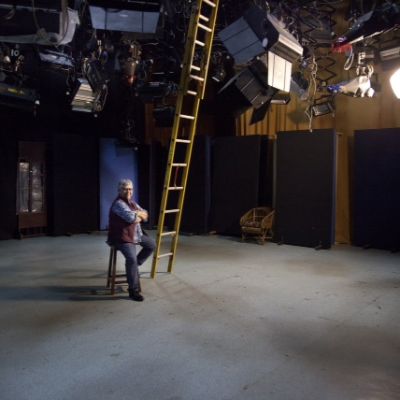
Both fiction and non-fiction are capable of great complexity if the making is in the hands of someone capable and complex. I have always held that good films – fiction, non-fiction or hybrid– emerge not from a familiarity with the subject, though that’s essential – but an understanding of the language of cinema.
By Radhika Chandiramani
September 1, 2017
The Editorial: Accessibility and Sexuality
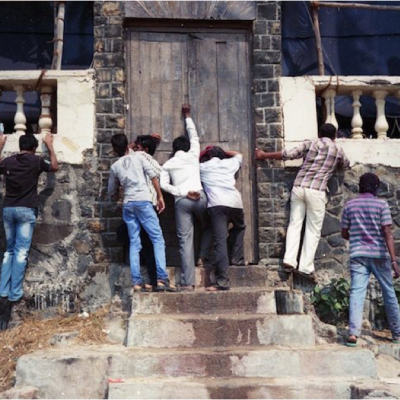
We can speak of many situations in terms of access or its lack for all kinds of people, and it will always give us insight into the society we live in in two interdependent ways: one, it reveals a polarity between who is given and who is denied access, and two, it determines the big-picture human value given to the commodity that the access is contested for.
By TARSHI
August 16, 2017
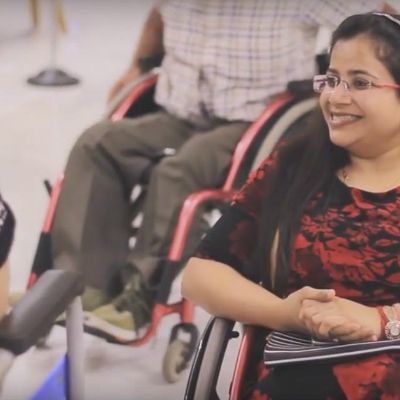
Reflections on accessibility and sexuality
I thought of myself as a feminist activist much before I formally entered the development sector space. I participated in…
By Shreshtha Das
August 16, 2017
Striving to get information about my body
As a 17 year old who grew up in a relatively liberal Indian household, I should probably be proud of…
By Zoya Achanta
August 16, 2017
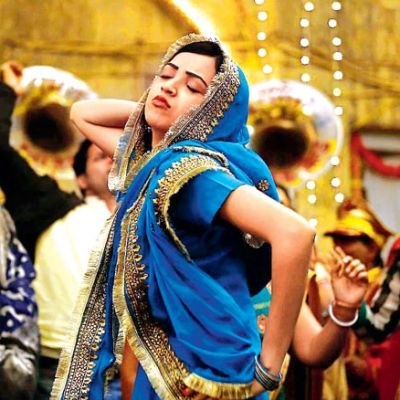
Issue in Focus: Beyond Ramps and Restrictions
Accessibility begins with access, enabled or denied, to concepts and ideas. At the core, beyond the architecture of the real and virtual worlds, it is about the architecture of the ways in which this access is broadened, to not only accommodate, but to nurture, the myriad expressions of human minds and bodies.
By Shikha Aleya
August 3, 2017
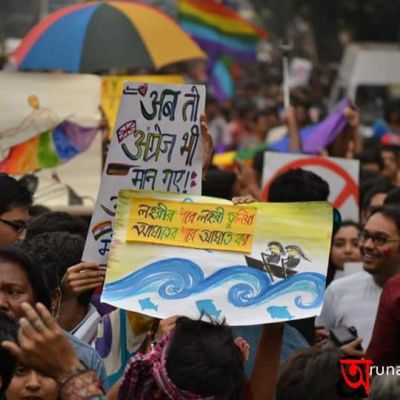
Queer Pride in India: Creating Space for Intersectional Queer Identities and Other Marginalised Voices?
There are many ways to be queer. Apart from the fact that queerness encompasses a wide variety of sexual expression,…
By Sonia Dhawan
The Editorial: Communities and Sexuality
To belong or not to belong? Some people define themselves through commonalities. There are some who define themselves through difference and then seek to find others who share that difference. They find commonality in a shared difference. Commonality is what makes for a community. To keep that commonality becomes an unwritten rule. What lets you in? What keeps you out? Every community tries to keep its members together. There are expectations, rules, impositions and, for the dissidents, punishments. Ironically, even communities of people who do not conform to mainstream norms of sexuality or gender have their own norms.
By TARSHI
July 15, 2017
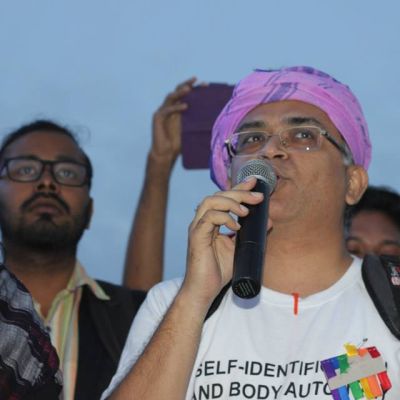
INTERVIEW: PAWAN DHALL ON HIS OWN JOURNEY OF BUILDING COMMUNITIES – PART 2
Shikha Aleya: What are some of the biggest barriers you have faced in your efforts to create dialogue and visibilise…
By Shikha Aleya
Community and Sexuality: Learning a Politics of Unbelonging
After writing the words “Community and Sexuality” as the working title of this piece, I attempted to begin writing many…
By Chayanika Shah