Feminism

Social Media
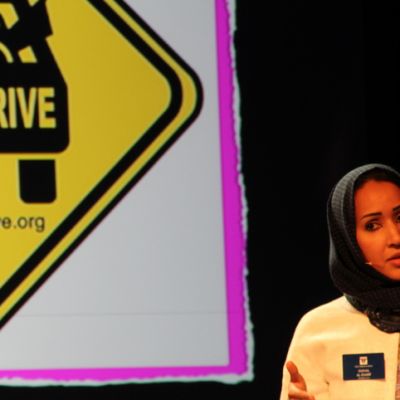
By: Women’s Rights Campaigning Info-Activism Toolkit People are more likely to trust – and act on – messages from people they…
By Curated Content
July 15, 2014

Should I Say I Love You?
Being vulnerable helps boost our self-esteem and self-worth by pushing us out of our comfort-zone. It provides us with an opportunity to overcome obstacles and reach deep down within ourselves to find strength and confidence to keep going even when the odds are against us.
By Shubham Ranjan
April 19, 2021

Sheriff Callie, Doc McStuffins and Barbie Dolls
In fact, once when I referred to Sheriff Callie (a cartoon character) as a man, I was sternly told she is a woman. Doc McStuffins, another of their favourite cartoon characters, is a smart girl who can fix anything. She inspires my nieces to think boldly.
By ElsaMarie D'Silva
December 3, 2018

Shamed and Sidelined For Too Long, Plus-Size Women in Pakistan Are Now Speaking Up
“I realised plus-size acceptance is neither a movement to eat whatever you want nor is it about placing restrictions,” Amina said. “It’s about being kind to your body and realising you are not defined by the size of your waist.”
By Curated Content

Sensuality and Friendship, and the Power of a Loving Gaze
But we always, always know that when it’s the two of us, a label or a word isn’t needed or necessary. We both get each other.
By passionfruitdrizzle and edamame
October 15, 2025

Screens, Swipes and Ephemeral Intimacies
The convergence of technology and romance opens up a complex network of possibilities…
By Himani Bajaj
March 17, 2026

Safe Screens, Safe Relationships – Ground Realities from Meri Trustline
Digital abuse is not merely a technical or legal issue, but an emotional and social experience.
By Salman Mujawar
Review: What Sex Work Taught Feminism: Tales Of The Night Fairies
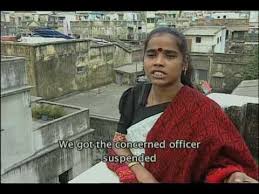
Tales delicately yet powerfully draws out the conflict between sex workers and feminism in India,at a time when a lot of feminists thought of prostitution through a SWERF lens[1].
By Moulshri Mohan
Review: The Absurdities of Sexy and Funny Women
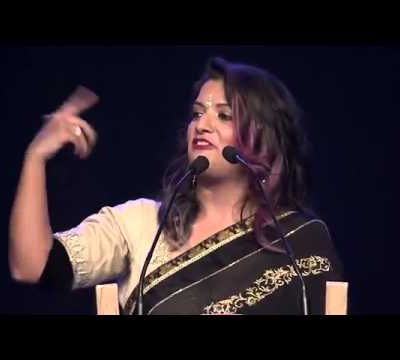
At the now infamous All India Bakchod Knockout roast last year, comedian Aditi Mittal told this joke about her fellow…
By Kristin Francoeur
January 4, 2016

Review: Risk-averse Bollywood Tackles Taboo Issues
Several recent mainstream Hindi films have dealt with issues of sexuality and gender not usually discussed in the intended audience’s drawing rooms.
By Shaifali Agrawal

Revealing the Code
What is the language, across languages, that we associate with sexuality? Is it healing? Empowering? Does this language comfort and console? Does it lift you up and make you feel good about who you are?
By Shikha Aleya
June 17, 2025
Rekhti: The Language of Women as Spoken by Men
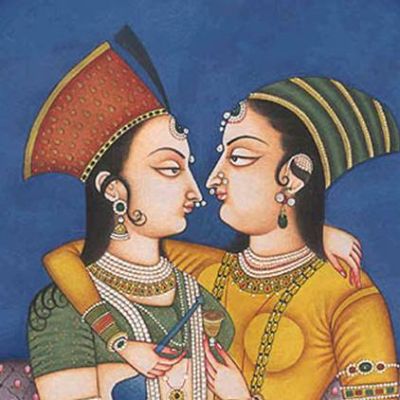
It’s an entire genre of poetry known as rekhti, which was characterised by a female speaker and preoccupation with women’s everyday lives.It is counter posed to rekhta, the “literature narrated in the masculine voice”.
By Syed Saad Ahmad
May 15, 2018

Reframing Family History
Often when we speak of families and family history, we talk genetics, traditions and inheritance of all kinds. Somehow our relationship by blood or otherwise to a clan is supposed to help us identify our place in the universe. So there’s family medical history, family culture, family traditions of food and career. But sexuality? A family history that focuses on sexuality? What would that even mean?
By Shikha Aleya
May 1, 2016

Reclining Vulnerability
Through multiple maquettes, I finally came across (since I myself did not know what the result of the form or figure would be) the Reclining Lady. She represents confident femininity and vulnerability. The feeling one has after taking a bath and sitting in the nude, drying oneself in unabashed nakedness.
By Noella Fernandes
April 19, 2021

Radicalise The Banal
How we treat each other in our daily lives informs our feminist praxis. How we fail each other in our daily lives through the use of unkind language, dismissal of mental illnesses, making fun of one’s own choices, disrespecting personal boundaries (and so on), also counter our feminist praxis.
By Debarati Sarkar
December 16, 2019