Women

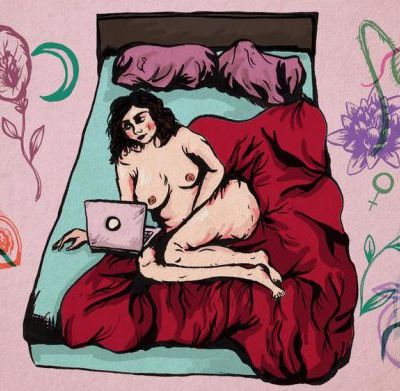
How do you Imagine a Feminist Internet?
By: Amla Pisharody In August 2016, APC along with some activists and feminists which also included Feminism in India revised and…
By Curated Content
June 15, 2017
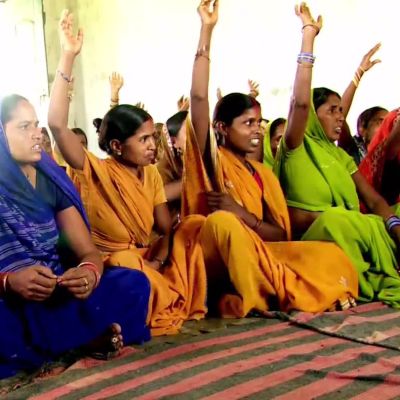
From the periphery to the core: How can we hear more women’s voices from rural India?
Neha is a proud, beaming 16-year-old. Standing on the lawns outside Delhi’s India Gate, she speaks to the camera about…
By Gram Vaani
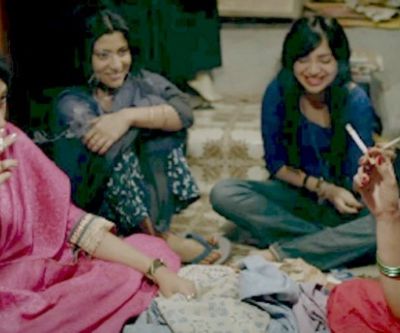
Friendships Between Women: Norms, Intimacies and Imaginations
It has troubled me for a long time now that there are hardly any Bollywood block busters that focus on…
By Shruti Arora
February 1, 2018

Freedom and sexuality: walking hand in hand with robots
Where we are now: In August this year the Supreme Court of India declared that privacy at its core includes…
By Suchitra Dalvie
December 4, 2017
Feminism Through the Ages in India: An Empowering Journey
By Sanchari Pal about a year ago A hard hitting film that underlines a woman’s freedom to her body and sexuality, the recently…
By Curated Content
November 15, 2017
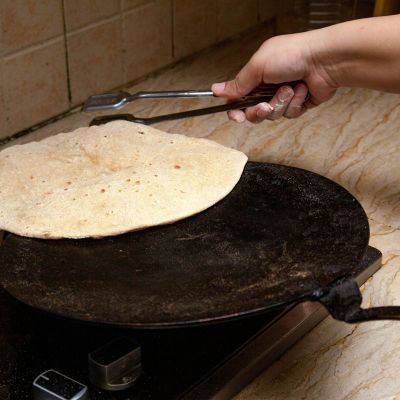
Emotional Slaps: The Invisible Wounds of Patriarchy
Everyone talks about how nobody can put a price on how much homemakers do for us, but nobody talks about the kind of behaviour they are subjected to almost every day.
By Anuja Tripathy
November 19, 2024

Editorial: Sexuality and Self-care
Continuing with our theme of self-care being about sustaining ourselves, our work, our movements, keeping the fires lit, and relating with love to ourselves, in our mid-month issue we bring you more articles looking at self-care from different perspectives – individual, queer, activist, collective, organisational, not necessarily separated, or in this order, of course.
By TARSHI
July 19, 2021
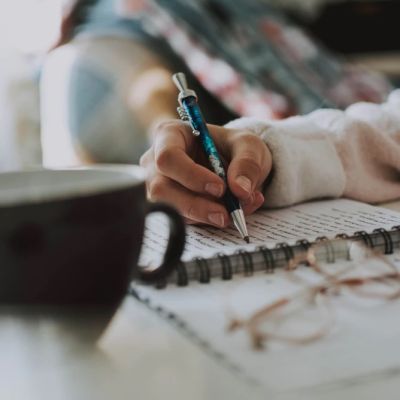
Dear Diary: The radically feminist creative journalling practice that nobody talks about
My journal has many entries that are speculative and fantastic. Writing about the mundane leads me to question the way the world operates and from there I frog-leap into a world of ideas where I imagine a radically different way of being. In my journal, I imagine a politics of care, community, and compassion. I become grand, valuable, and unstoppable, even in a world where I am sometimes made to feel small.
By Sheena D'Lima
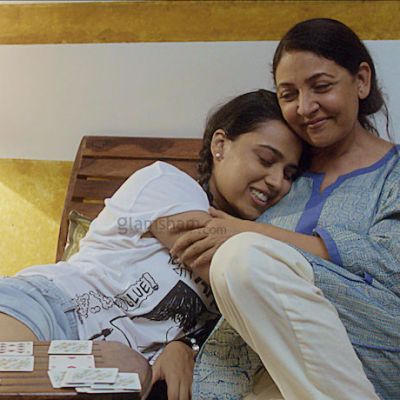
Cinema’s Unintentional Counter-Narrative on Marriage
Reviewing three films (or the subplots of three films) to see how subplots show that marriage isn’t a destination or a single story that begins and ends in the ‘happily ever after’.
By Shweta Krishnan
January 3, 2023
December 1, 2013
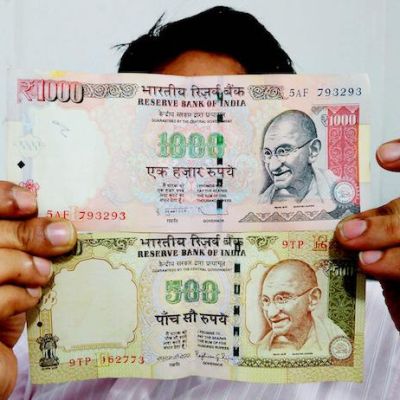
Cashless and Stranded in Budhwar Peth: How the 2016 Demonetisation Affected Sex Workers
The disruptions in sex work due to demonetisation were not merely about the cash crunch though. Probing deeper, the real problems were to do with a breakdown in the rituals of soliciting, and what it meant behaviourally for the women.
By Sutapa Majumdar and Rohini Sahni
Caring and care-giving
Just as capitalism has learned how to co-opt feminism into its model, it has done the same to ‘wellness’, so much so it has become an industry of its own. Mental wellbeing, no matter how necessary and important it is, remains a luxury with more than half of our country either unaware of available mental health resources or not in a position to even afford therapy.
By Deepa Ranganathan
July 5, 2021

Brushstrokes:The Lurid Covers of 20th-Century Pulp Fiction
Considering how sexuality was a running (and selling) theme in pulp fiction stories, and female sexuality was employed as a means to titillate and attract readers, the covers often reflected this.
By Curated Content
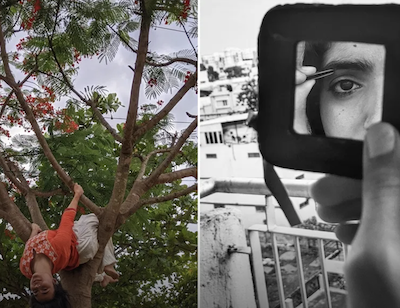
Brushstrokes: Women At Leisure: Photo Essay On Pastime As A Feminist Issue
Inspired to collect photographs of women spending time by themselves and for themselves after a conversation with her mother’s friend, Surabhi Yadav began the project, Women at Leisure.
By Feminism in India

Brushstrokes: An Artist Captures Patriarchal Nosiness in its Most Everyday Avataar
The potential for art to connect people and to challenge thinking is continuously widening. Aarushi Jain, a 21-year-old artist from India, perfectly captures the societal expectations placed on women in her representation of the English alphabet.
By Curated Content