SISA spaces


Between Generations: The Courage to Ask, The Courage to Answer
My mother’s openness gave me a profound glimpse into how deeply conversations – or their absence – shape our sense of self.
By Sahana G
December 18, 2024
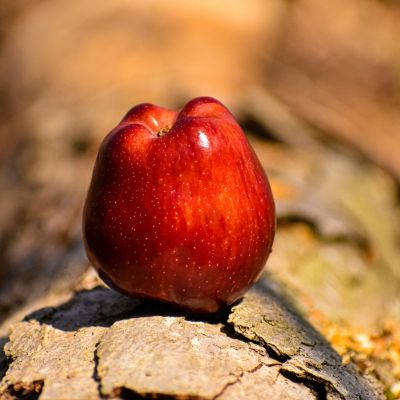
No Birds No Bees
Aria walked into her school’s auditorium, giggling with the rest of the girls, because they were about to have their very first Sex Ed workshop.
By Aradhana Phadke Sardesai
December 18, 2024

The Banyan Tree
It’s clear Ms. Nisha is not here to shame them or lecture them. She’s here to give them words when they have none.
By Taarina Therese Chandiramani
December 18, 2024
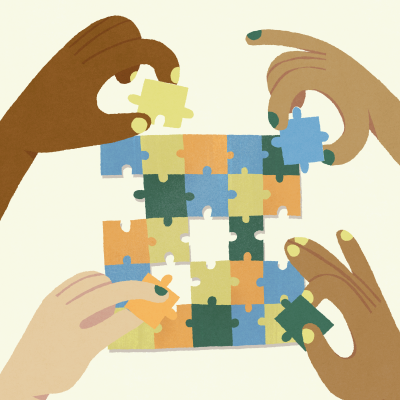
Editorial – Gender and Sexuality
Gender and sexuality are like constituent parts of a jigsaw puzzle that keeps morphing in such a way that nothing ever ‘fits’ for long, and the game begins anew each time.
By TARSHI
November 19, 2024
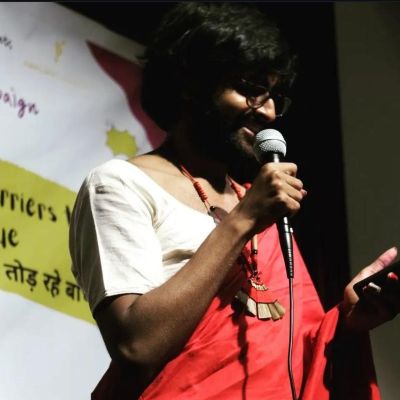
साक्षात्कार – चाँद
चूँकि दुनिया हाशिये में जीने वाले लोगों के प्रति इतनी प्रतिकूल रही है, इसलिए वे लोग हमेशा से, हर जगह ‘सुरक्षित स्थान’ बनाने की कोशिश करते आ रहे हैं।
By Akshita Singh and Pragya Solanki
November 19, 2024
Interview – Chand
Safe spaces in the way that they often circulate are depoliticised and the assumption is that there won’t be any conflicts, but there can be no safe space without an exchange of ideas, which will create some bad feelings leading to conflict.
By Akshita Singh and Pragya Solanki
November 19, 2024
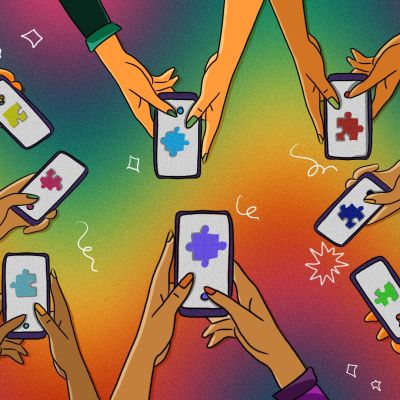
Queer Be(long)ing in Digital India
What does belonging, then, look like in urban India for people from different social, economic and political backgrounds?
By Vanshika Gupta and Niv
November 19, 2024

कैसा होगा अगर हम यौनिकता को अपनाते हुए बड़े हों?
अपनी परिभाषा, अर्थ और लांछन के आस-पास की अस्पष्टता के कारण यौनिकता एक अछूता, अनदेखा, और मनाही का क्षेत्र बना हुआ है।
By Sreejani
November 19, 2024
Editorial – Workplaces and Sexuality
Sexuality and the workplace are closely related, and a safe and healthy working environment is a fundamental human right.
By TARSHI
September 18, 2024
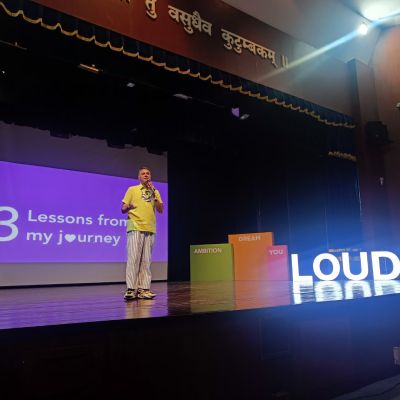
Interview – Parmesh Shahani
The larger question is, who gets to bring all of themselves to the workplace, and who is either not allowed, or feels scared, or is bullied for doing so?
By Shikha Aleya
September 18, 2024

Waves of the Unseen
The bathroom stall becomes a sanctuary, a stage, a confession booth.
By Radhika Modi
September 18, 2024

What is this thing, the workplace?
We need to expand the way we look at work, the workplace and the human being, understanding our approach to sexuality, society and each other.
By Shikha Aleya
August 20, 2024
एकल जीवन की सराहना
Growing up, for me, has been about accepting that the loneliness and sadness woven into the fabric of my being do not go away with entering conventional arrangements like monogamous relationships or marriage.
By Siddhi Pandey
August 20, 2024

राख से सोना बनाना – कैसे मध्यम आयु वर्ग की महिलाएं यौनिकता और आध्यात्मिकता का जश्न मनाती हैं
The most satisfying spiritual and sexual experiences I’ve had were not in my twenties, thirties or even forties. They have been in my 50’s. The most insightful spiritual insights, and the most orgasmic orgasms have both arrived in middle age.
By Nighat Gandhi

अपना और दूसरो का ख़्याल रखना
मां बनने के बाद से आत्म-देखभाल पर मेरे नज़रिये में बहुत बदलाव आया है। एक अभिभावक की भूमिका निभाते हुए और उसकी चुनौतियों का सामना करते हुए अपना ख़्याल कैसे रखा जा सकता है?
By Deepa Ranganathan
May 16, 2024