SISA spaces


The Unbearability Of Desire
Intimacy can never thrive in an environment of rigid certainty. Intimacy requires surrender – not in the sense of submission – but in the willingness to be with another person without detachment or defences.
By Shaifila Ladhani
March 17, 2025
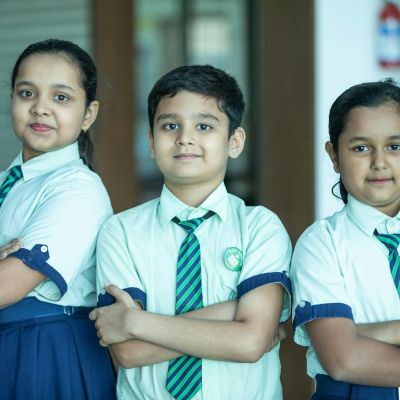
Consent Beyond Sex-Ed: Weaving Respect and Autonomy in Classroom Culture
Consent cannot be a singular lesson plan. We need to reimagine the ways in which consent can be integrated into our curriculum content, conversations, and how we role-model it.
By Heta Dwivedi

The Language Of Consent
The language of consent is not neutral. It is rigid where it should be nuanced, malleable where it should be firm. Yes is an all-encompassing spirit, ever-expanding; No is frustratingly constricted, barely visible.
By Fizza
March 17, 2025
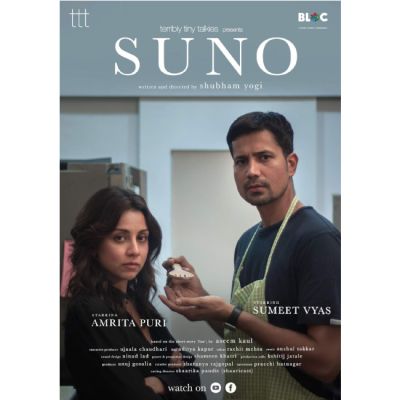
Exploring Consent Through The Film SUNO
There may be situations in which a person’s responses might not be unquestionably equated with consent. Is consent merely a ‘yes’ or does one need to look for other cues to make sure their partner wants the same thing as them when it comes to intimacy?
By Aratrika Datta
March 17, 2025

यौन एवं प्रजनन स्वास्थ्य अधिकारों का उल्लंघन (SRHR) – जो महिलायें विकलांगता के साथ जी रहीं हैं, वे कहाँ हैं?
विकलांगता के साथ जी रहीं महिलाओं (Women with Disabilities/WWD) को यौन और प्रजनन संबंधी स्वास्थ्य देखभाल और अधिकारों पर ज़रूरी बाचीत
By Smruti
मुख्य मुद्दा – गोपनीयता और समकक्ष (पीयर) संबंध
शहरी पुणे के एक नगरपालिका स्कूल की आठवीं कक्षा – एक सह-शिक्षा कक्षा जिसमें 18 लड़के और 12 लड़कियाँ हैं – के कुछ अनुभव
By Aishwarya and Reshma
March 17, 2025
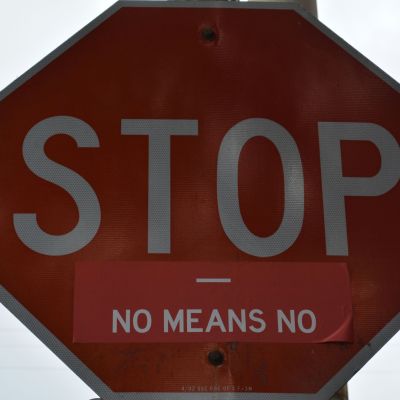
Behind the Curtains
… when they believed we were of the right age to marry, they urged us to “leave everything behind and get settled”. When marriage is considered such an important institution in our society, why not teach us about consent as well?
By Bhargavi Vyas
February 18, 2025

Closeted in the Workplace: Identity, Be(long)ing, Consent, and Inclusion
…when both of us speak about the way we engage in our workspaces, we find common contradictions and barriers. How does a queer person navigate these barriers, constantly negotiating when, where and on what terms to engage? To be seen or to remain unseen?
By Vanshika Gupta and Niv
February 18, 2025

January 13, 2025
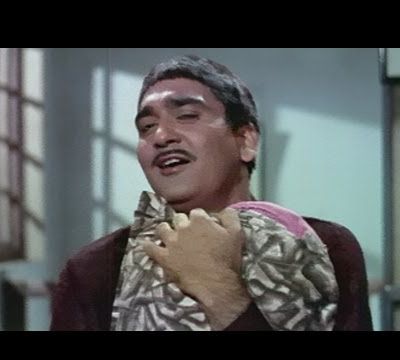
The Birds and the Bees: On Play and Sexuality
How would we see the world really, if we were open to the idea that it is not purpose but play that drives us to seek companionship, be it an orchid seeking a pollinator or a human seeking another?
By Shweta Krishnan
January 13, 2025

Of filter coffee, marriage and mixed celebrations of sexuality
Marriage also feels complicated when one approaches it through the lens of feminism. Marriage throws in two people and often their families into a system designed to perpetuate patriarchy, subjugate women, and bind men and women (in heteronormative marriage) into strict roles in the marriage.
By Vani Viswanathan
January 13, 2025

Editorial – Parents, Teachers, and CSE
Each time a child or adolescent asks a question that may be (even indirectly) related to sexuality, many parents and teachers get squirmy and nervous. This may be because they themselves do not have the information required, but in most cases, it has more to do with the ‘hush-hush’ that surrounds sexuality.
By TARSHI
December 18, 2024
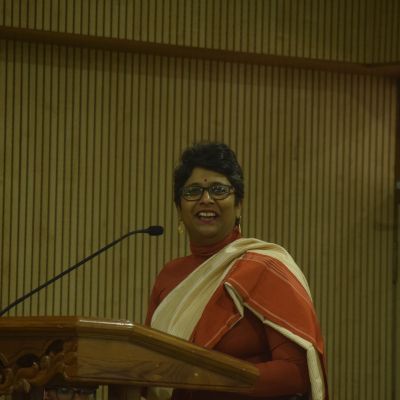
Interview – Dr. Ketaki Chowkhani
I feel that parents, teachers and CSE can make room for these disparate realities of adolescents by first acknowledging the limits of formal sexuality education, that the curriculum imparted formally fails in providing the kind of learning that happens through other sources.
By Shikha Aleya
December 18, 2024
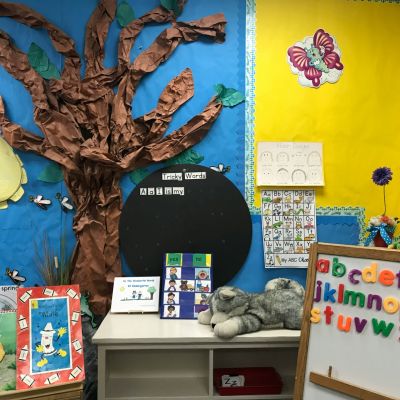
Comprehensive Sexuality and Personal Safety Education: Its Significance and Relevance
A child’s social environment in their foundational years plays a critical role in shaping their worldview and influences their responses and the way they communicate with their peers.
By Antara Buzarbaruah
Peek-A-Boo: Navigating Conversations on Sexuality with Young People as an Educator in India
Despite the lack of a formal Comprehensive Sexuality Education (CSE) curriculum in place in India, there has been a growing interest in providing CSE programmes in schools.
By Ayesha Khaliq and Nandhini Jaishankar