SISA spaces

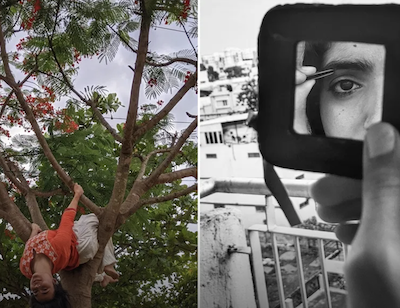
Brushstrokes: Women At Leisure: Photo Essay On Pastime As A Feminist Issue
Inspired to collect photographs of women spending time by themselves and for themselves after a conversation with her mother’s friend, Surabhi Yadav began the project, Women at Leisure.
By Feminism in India
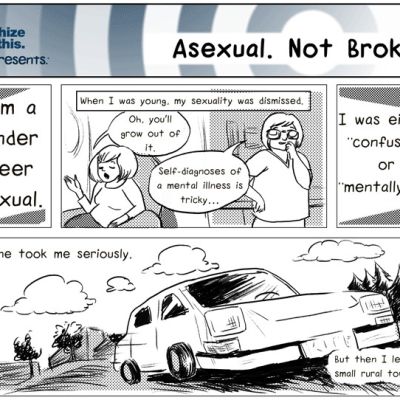
Brushstrokes: Why Being Asexual Doesn’t Mean I’m ‘Broken’
There are a lot of prejudices and misconceptions about asexual people. This comic on Everyday Feminism sensitises us to asexuality through a deeply felt real-life story of finding love as an asexual person.
By Curated Content
February 1, 2022
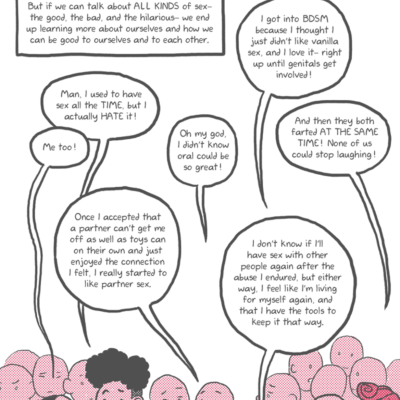
Brushstrokes: Who We’re Leaving Out of Sex Positivity – And How to Make It More Inclusive
Everyday Feminism’s comic illustrates the complexity and diversity of sexuality, revealing how sex can sometimes be pleasure-affirming and sometimes not, and asks us to talk about ALL KINDS of sex – the good, the bad, and the hilarious.
By Curated Content
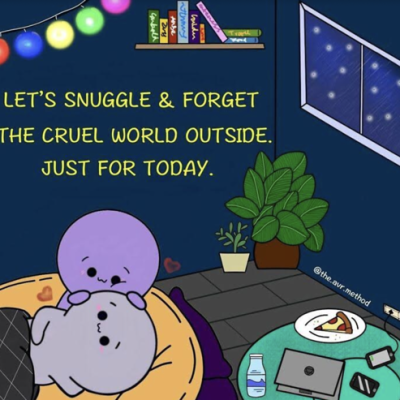
Brushstrokes: The AVR Method
From being comfortable doing nothing in someone’s company or cooking and laughing together, to confiding in them our hopes and fears, feeling safe letting someone seeing us at our best as well as through our not-so-good moments is like ‘coming home’ in the world.
By Curated Content
April 5, 2021
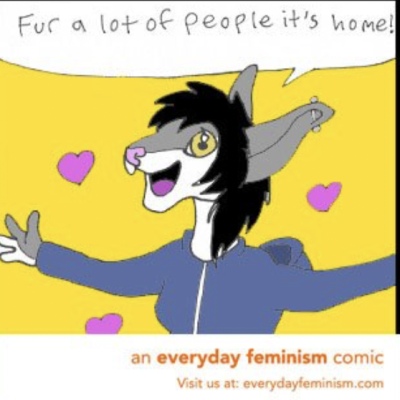
Brushstrokes: Here’s What It Really Means to Be a Furry
Who is a Furry? What’s a ‘fursona’ – is it like a persona? What’s Furry fandom all about? What happens at Furry conventions? Do they dress up in animal suits? Christine Denewithe answers all these questions, and more, in this enchantingly executed comic.
By Curated Content
November 1, 2021
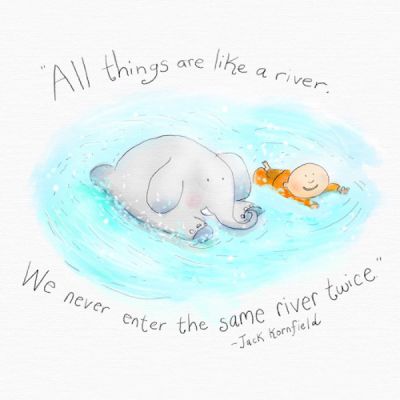
BRUSHSTROKES: HAPPY DOODLES
We found these heart-warming doodles that are dedicated to staying conscious of things that matter for our personal well-being and our relationships with others but that we tend to lose touch with from time to time.
By Curated Content
January 4, 2021
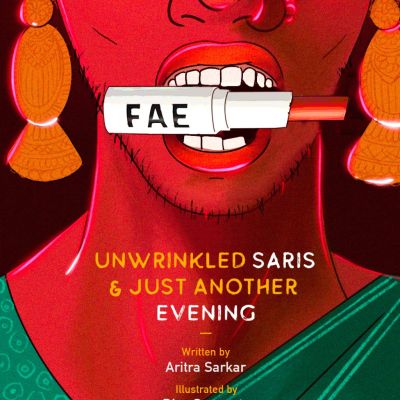
Brushstrokes: Fiction Comic: Unwrinkled Saris And Just Another Evening
In a society ruled by heteronormative patriarchal structures, expressing one’s gender or sexuality outside the trimmings of what is socially acceptable is an act of resistance.
By Curated Content
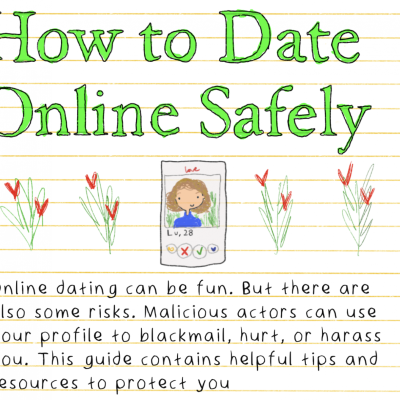
Brushstrokes: Digital security guide: How to protect yourself on dating apps
Online dating can be great fun but it comes with some risks. This quirky and in-depth Digital Security Guide by Access Now on How to Date Online Safely tells us how we can engage with fellow dating-app users while making sure we are safe from harm.
By Curated Content
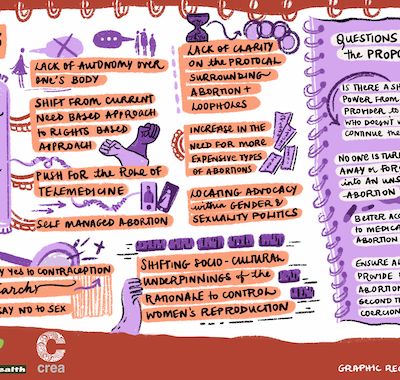
Brushstrokes: Decriminalisation of Abortion in India
The graphic representations of a three-part webinar series organised by Common Health and CREA address these questions and attempt to build an understanding of the decriminalisation of abortion and how it could ensure access to safe, affordable, timely and rights-based services.
By Curated Content
September 1, 2020
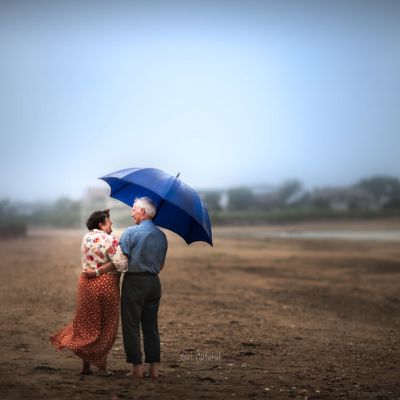
Brushstrokes: Ageing and Sexuality
Capturing moments of tenderness between these couples as they shine with affection, comfort, and laughter, Sujata’s photo-series reminds us that we don’t simply fall in love, but with time, nurture and strengthen intimacy.
By Curated Content
March 15, 2021
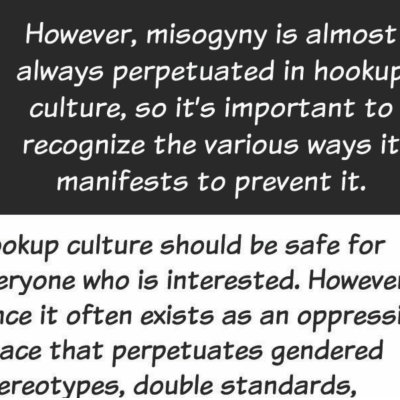
Brushstrokes: 5 Fantastic Ways to Engage in Feminist Hookup Culture
While navigating hook-up culture, we may exercise our agency to express our sexuality but at the same time, may face risks to our safety and bodily integrity as well as obstacles engendered by misogyny, rape culture, heteronormativity, and double standards.
By Curated Content
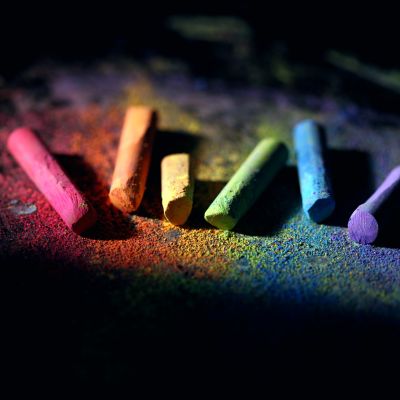
Brushstrokes – Scribbles
Scribbles: an Escape From the Mundane is a product of my thoughts and emotions when I was struggling to understand my sexuality and grappling with the idea of identifying with the spectrum of gender and sexuality outside the binary, but not being able to put a label on it.
By Nishita Kamdar
March 1, 2022
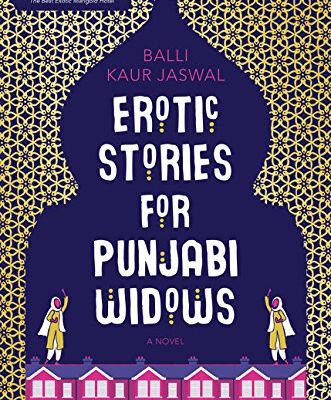
Book Review: Erotic Stories for Punjabi Widows
The story is so well told and is written with such a light, deft hand that it is almost easy to miss what makes it so quietly radical. To review it within the scope of exploring the coming together of literature and sexuality we must begin with its central cast of characters – the widows.
By Sheena D'Lima
January 3, 2022

Body-doubling in the Digital Age
My mother will be so ashamed of me for ‘dying for sex’.
By Apoorva Ravi
February 17, 2026
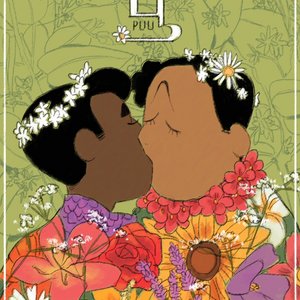
BLOSSOMING INTO A GARDEN: SPIRITUALITY, SEXUALITY AND ALL-CONSUMING QUEER LOVE IN ‘PUU’
Puu, an episodic comic (consisting of 92 serialised episodes) created in 2016 by Nabigal-Nayagam Haider Ali – going by Nabi online – is woven together with vast, expansive threads of similar intense spiritual moments and reflections on devotion, faith, and love.
By Rohini Banerjee