SISA spaces

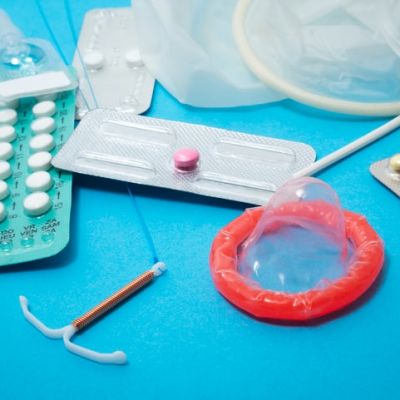
I May Have Called You Baby But It Doesn’t Mean I Want One!
Some nights I worry that if birth control for men is indeed released, clinical trials of which were suspended in 2016 as its side effects, incidentally the same as what women have been dealing with for ages, were just not worth it, it would be named Fuckboi.
By Anjali
August 14, 2020
I DELETE MYSELF: ANONYMITY AND SEXUALITY ONLINE
Cyberspace has given the queer woman a chance to problematize the existing gender and sexual identities which, like any identity, is not static. It allows her to create and occupy spaces which will give her freedom and power in a way that the misogynistic physical world cannot provide.
By Curated Content
August 14, 2020

March 17, 2026

Hybrid Spaces for Your Happy Places: A Reflection on Digital Intimacies and the Future of Humans
Sex robots never have a headache or expect you to contribute to the housekeeping.
By Suchitra Dalvie
How would it be if we grew up embracing sexuality?
Growing up is a tedious task in our society because of the institutionalised practices, societal constructs and boxed identities and expressions that we are expected to adhere to. Anything beyond these implies harm, danger, and deviance.
By Sreejani
January 16, 2026

How We Reimagine and Redefine Freedoms
Every part of life, the world too, is storied. Stories are the thread that hold histories and truths together. Stories are at the core of myth-making. Everything that we know is part of multiple crisscrossing relational storylines that we raise and those that we have no power in raising.
By Curated Content
March 15, 2022
How much support is enough?
In the middle of this pandemic, can one seek sexual support in the form of a hook up with one’s best friend, ‘just because’? Is it redefining boundaries, is it sympathy sex, is it simple indulgence, or is it something that one or both might later resent?
By Asmi
November 2, 2020
How Masculine Am I?
I have dealt with having a non-masculine body since the time I was a teenager. I have questioned my sexuality and how it interacted with my non-masculine body.
By Asim Mudgal
May 19, 2025
HOW I LEARNED THAT I DESERVE TO LOVE MYSELF
“I feel comfortable with who I am,” he responded. “I’m at ease with myself. I don’t wake up and hate myself. I can’t tell you how amazing that feels.”
“I know how that feels,” I told him.
By Guest Writer
January 4, 2021
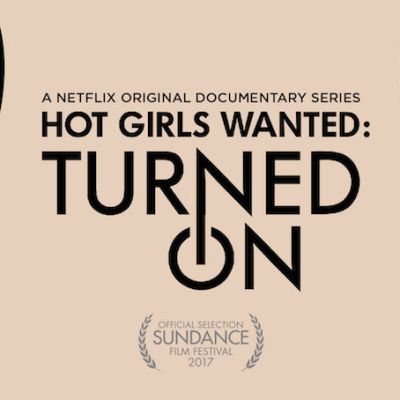
Hot Girls Wanted – Keeping up with the times
The film Hot Girls Wanted followed the journey of five young women aged 18-25 years as they joined the pornography industry and also looked more broadly at at women in this age group and their motivation to join.
By ElsaMarie D'Silva
January 3, 2022

Happily Ever After: Review of Good Luck to You, Leo Grande
This film reminds us of the power of connections in finding pleasure, joy, confidence and healing.
By ElsaMarie D'Silva
October 17, 2022
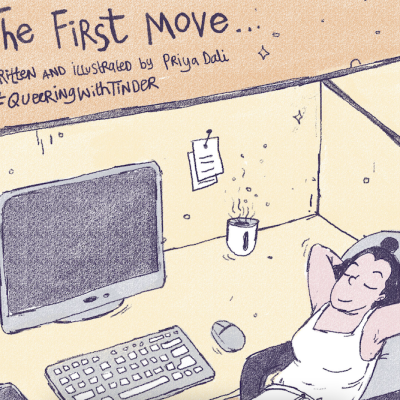
Graphic Story: The First Move
This short and cute graphic story by Priya Dali, published by Gaysi in collaboration with Tinder, captures the playful initial stages of online dating as Maya tries to make the first move on Rae with the help of colleagues.
By Curated Content
December 1, 2021

From Judy Blume To The Sexy Internet: What Counts As Erotica?
This question of appropriateness is, for me, at the heart of all questions around sexuality. Each of us carries within us our own private benchmarks for which expressions of sexuality we find appropriate, and which ones, in turn, have crossed an invisible line. The ones we believe belong across the border, in the land of the inappropriate, of the too much.
By Richa Kaul Padte
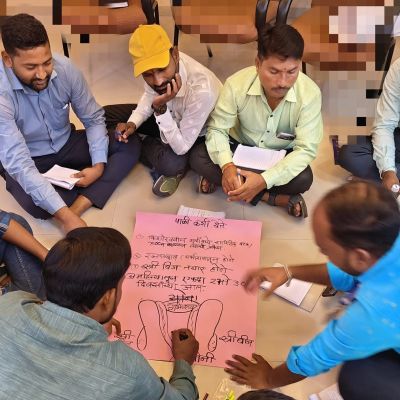
From Compliance to Critique: Localising Masculinity Work Through Feminist Praxis
…we must also address men’s relationships with their spouses, other men, women and children in the community, and importantly, their own emotional selves to transform fatherhood. Therefore, engaging with men as fathers must involve a holistic understanding of their socialisation, emotional world, and position within patriarchal structures.
By Anand Pawar
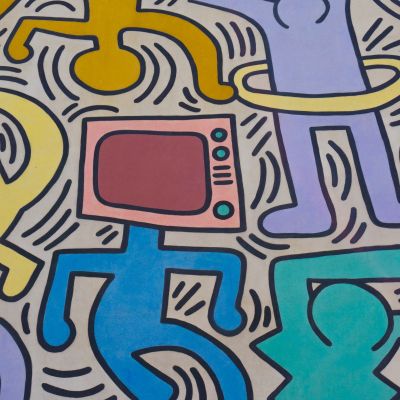
Friendships, or, That in which we decouple coupledom from the economies of marriage
I was not simply stuck within the binaries of “same-sex” or “opposite sex,” assuming that any reference to “same-sex” is in itself already revolutionary. But the call to recognise friendship, is a call to recognise so many forms of community that are made invisible by the emphasis within a liberal or conservative framework on “marriage” as the only path to family making.
By Shweta Krishnan