SISA spaces

Interview – Anjlee Agarwal
Self-care is influenced by the environment we inhabit, the way we relate to others, the way we negotiate with other living beings or structures. Self-care is also interlinked with other types of care – whether that is in community resources, psychosocial support, engagement with medical and health care institutions, and of course in collective agency and solidarity.
By Shikha Aleya
February 4, 2023
Interview – Anahita Sarabhai
As a queer person, it’s hard not to think right away of chosen family. A term that has become relatively well-known by now, but not always understood I find. One of the primary support systems I personally, like many queer folx, depend on, are ones that we develop and nurture over time.
By Shikha Aleya
November 2, 2020
Interview – Amba Salelkar
But not every issue of discrimination and conflict can go to a court.Say for example, affording privacy to a young adult with disability to understand their body and sexual responses, or enabling them to access accessible sex toys or assistive devices related to sexual pleasure.
By Shikha Aleya
September 1, 2020

Interview – #covid19 and conversations online: Listening in
We are plugged in to all kinds of data from a variety of sources, through technology, and even a window view of this space is like stepping into a global COVID control data centre. We are standing up to be counted, to be seen, to do, to contribute, to advocate, to remind, to rectify and restore, to strengthen a growing network of support and response to crisis on a scale we have neither been able to process or measure.
By Shikha Aleya
Interview – We Have Questions!
There are times when we bend the rules and draw on the walls. This is one of those times. We listened in on some of the chatter online on the subject of consent and we ended up with some questions.
By Shikha Aleya
March 17, 2025
Interview – Prakash
“I feel that connection is the survival language of the LGBTQIA+ community. The sense of a common struggle makes way for developing quick yet lasting connections among the community…”
By Shikha Aleya
November 15, 2022
Interview – Parmesh Shahani
The larger question is, who gets to bring all of themselves to the workplace, and who is either not allowed, or feels scared, or is bullied for doing so?
By Shikha Aleya
September 18, 2024
Interview – Dr. Ketaki Chowkhani
I feel that parents, teachers and CSE can make room for these disparate realities of adolescents by first acknowledging the limits of formal sexuality education, that the curriculum imparted formally fails in providing the kind of learning that happens through other sources.
By Shikha Aleya
December 18, 2024
Interview – Chand
Safe spaces in the way that they often circulate are depoliticised and the assumption is that there won’t be any conflicts, but there can be no safe space without an exchange of ideas, which will create some bad feelings leading to conflict.
By Akshita Singh and Pragya Solanki
November 19, 2024
Innovating Sexuality
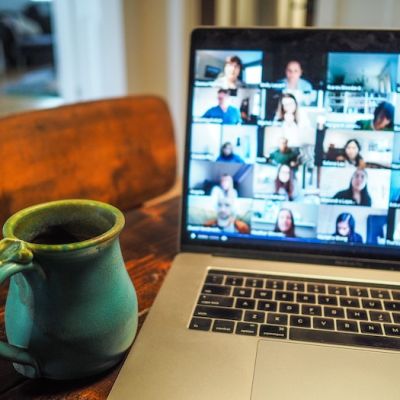
How might we think of sexuality as innovation, before we jump onto producing new technologies? Does the language of innovation, that of newness, invention and change, have anything to offer in rethinking structures of intimacy?
By Ishan
August 3, 2020
In Search of Ochin Pakhi
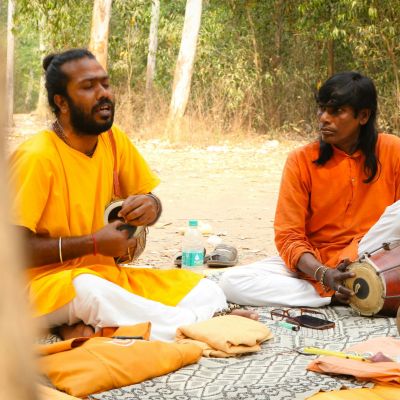
The aim of this piece is to bring to light the inherent queerness marking Baul folk music in Bengali, an oral undocumented spiritual expression that transcends heterosexual impositions and classism.
By Taniya Basu
June 17, 2025
In Between Deadlines and Debriefs: On Friendships at Work
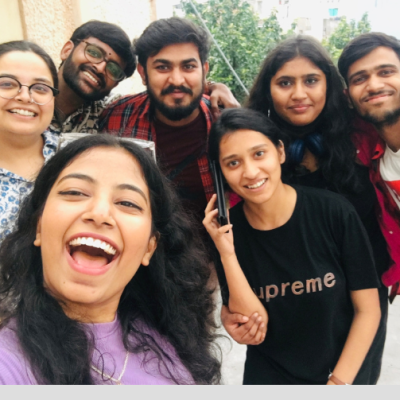
In those moments of doubt, when we wonder whether we can really make a difference in the world, it is often our work friends who remind us why we began.
By Nandhini Jaishankar
November 17, 2025

In Appreciation of Singlehood
Growing up, for me, has been about accepting that the loneliness and sadness woven into the fabric of my being do not go away with entering conventional arrangements like monogamous relationships or marriage.
By Siddhi Pandey
February 1, 2021

If Mountains Can Move …
Language itself is being plugged as a resource, to be shared with those who share similar politics, or if not, at least to move them along in that direction. And people who speak, think, love and live differently are targeted as “the other”.
By Nandini Rao
June 17, 2025

I will meet you post quarantine
A kiss for the side of your neck One for the last of your back For a year that we…
By Aishwarya Shrivastav
December 1, 2021