SISA spaces

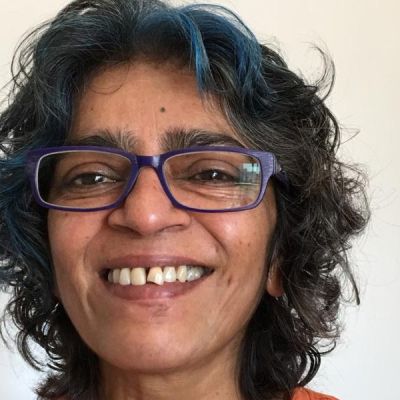
Interview: Radhika Chandiramani on What Self-Care and Sexuality Have to Do With Each Other
Sexuality and self-care are related at many levels, right from the level of knowing what you want and what you don’t, how you feel about yourself, how you are able to communicate your desires and how you are able to enjoy your experiences.
By Anjora Sarangi
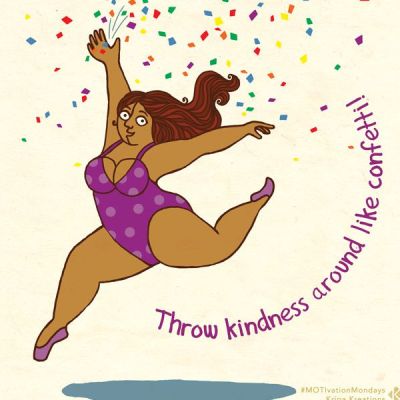
Interview: Kripa Joshi
There have been several recent examples of actors, movies and events being called out because of their lack of representation, like for the Oscars. With social media it is easier to create and distribute diverse art and also to voice the need for diversity. So it needs engagements and awareness in society. Change will happen once enough people demand that change.
By Shikha Aleya
June 15, 2021

May 18, 2026
November 17, 2025

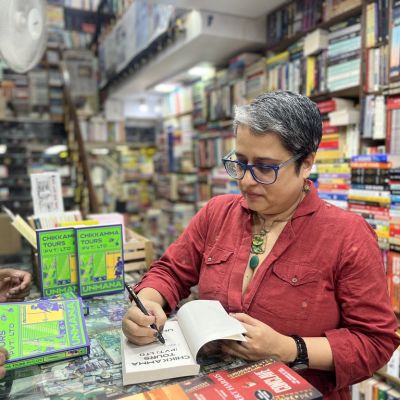
Interview – A reflective self-questioning
It is true though that ageing has brought home realities about my body that I ignored when I was younger. It has made me mindful of what I value, and what I choose to let go of, without too much of thought or unnecessary angst.
By Shikha Aleya
March 1, 2021
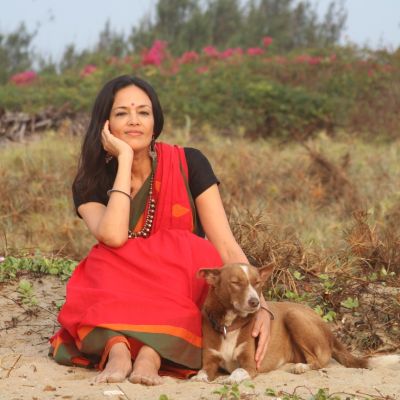
Interview – Tishani Doshi
I’ve essentially thought of movement as a kind of freedom, but one that has the capacity to destabilise you in some way. My most creative moments are when I’m not moving, when I am in fact rooted and still.
By Shikha Aleya
May 3, 2022
Interview – Tishani Doshi
I’ve essentially thought of movement as a kind of freedom, but one that has the capacity to destabilise you in some way. My most creative moments are when I’m not moving, when I am in fact rooted and still.
By Shikha Aleya
January 16, 2026
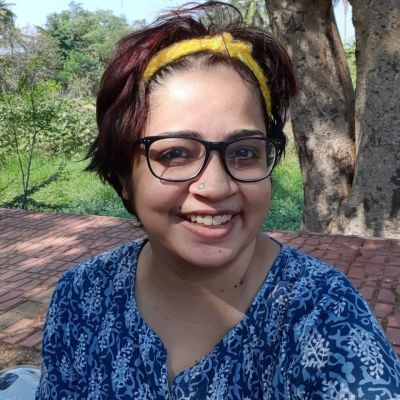
Interview – Srinidhi Raghavan
Disabled people might not have many spaces where they can speak openly about their sexual experiences or even sexual curiosity. There is a heavy monitoring of disabled young people especially, and this can mean that exploration, which is often how many of us discover sexuality, can be limited. Moreover, since the experiences of disabled people are not seen in popular media such as films, we can (and probably do) imagine we will have the same or similar experiences as non-disabled people – which is often not possible.
By Shikha Aleya
August 2, 2021
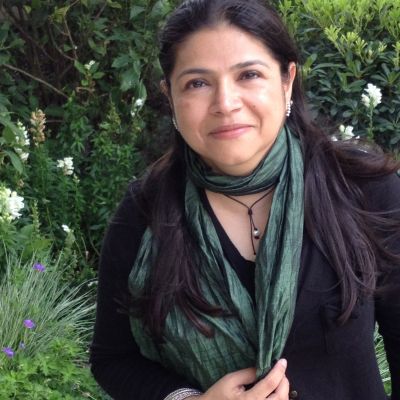
Interview – Sameera Khan
But what has been amazing to witness is how quickly young women in particular, took to the ideas of Why Loiter? and pushed them even further, creating new movements to expand women’s rights to the public, including the right to be out late at night, to stretch the curfew at women’s hostels, to demand extended access to women’s toilets, to public transport etc.
By Shikha Aleya
April 1, 2022
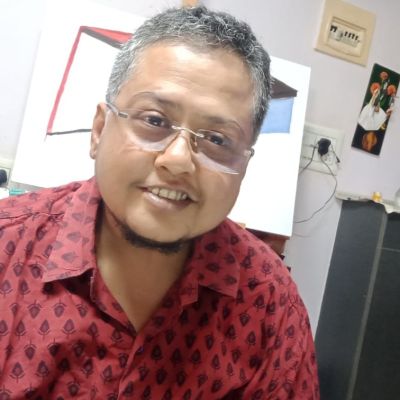
Interview – Rumi Harish
My assertion of my gender was not because of masculinity, it was because of the feminism which I practised – and that gave me this chance to come back to what I was. To assert what I was and to assert what I am.
By Shikha Aleya
May 19, 2025
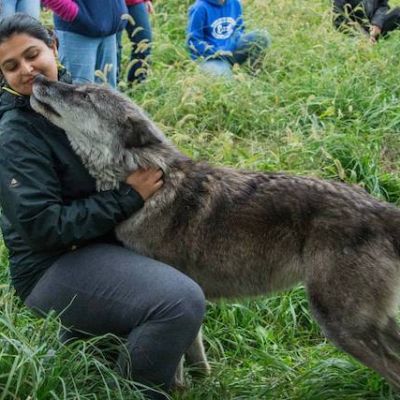
Interview – Raj Mariwala
Self-care is influenced by the environment we inhabit, the way we relate to others, the way we negotiate with other living beings or structures. Self-care is also interlinked with other types of care – whether that is in community resources, psychosocial support, engagement with medical and health care institutions, and of course in collective agency and solidarity.
By Shikha Aleya
July 5, 2021
Interview – Raj Mariwala
Self-care is influenced by the environment we inhabit, the way we relate to others, the way we negotiate with other living beings or structures. Self-care is also interlinked with other types of care – whether that is in community resources, psychosocial support, engagement with medical and health care institutions, and of course in collective agency and solidarity.
By Shikha Aleya
January 3, 2023
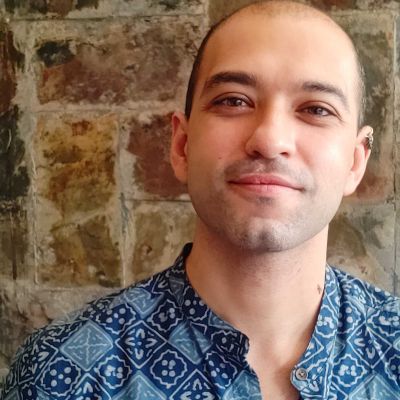
Interview – Manak Matiyani
As we grow older, moral codes, conventions of appropriateness and shame, and the utilitarian and income-focused education we get make us lose that stability. The idea of play to me is about bringing back that ability and comfort into the lives of people so that they can actually play.
By Shikha Aleya
December 1, 2021
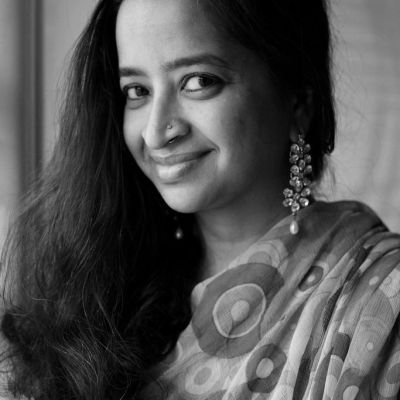
Interview – Indu Harikumar
I was watching something recently that said it was a bad thing to be vulnerable, but I don’t think it is a bad thing. I do see that there is a certain amount of power in vulnerability, it also needs courage, in my experience.
By Shikha Aleya
April 5, 2021
Interview – Coupledom is a mix of meanings
Coupledom may or may not be for everyone, and does not mean the same thing to everyone. Importantly, coupledom does not hold the same value or position in our lives, even in the lives of the individuals perceived to be parts of a couple structure.
By Shikha Aleya
February 15, 2022