SISA spaces


Kun Faya Kun: Embodying Non-Conformity
For a queer person, or for someone who remains single by choice, everyday existence requires strength and will. That is the embodiment of kun faya kun as a personal philosophy: to manifest the person you want to be through sheer will.
By Ghausia Rashid Salam
February 1, 2021
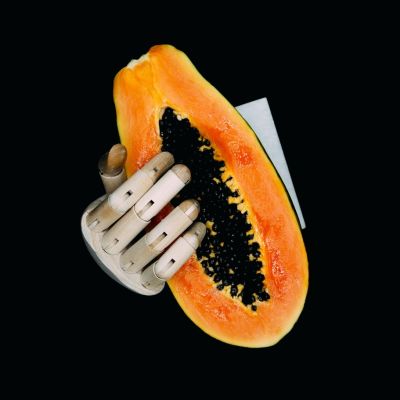
Journey from Stigma to Pleasure
For a long time, female bodies were considered similar to male bodies, just shorter, and most research and medical trials focused primarily on the male body with the assumption that the same would work on the female body.
By Pooja Singh and Ramneek Banga
August 14, 2020

May 18, 2026
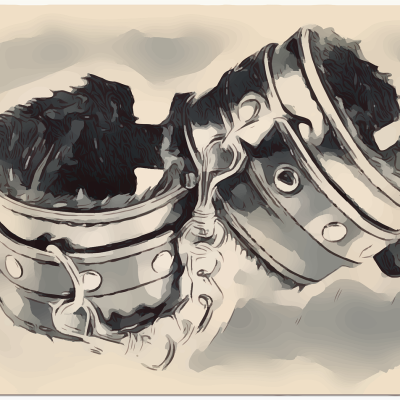
It’s not ‘just’ play!
Play is not only about cocks, balls, vaginas, paddles, or anything that happens between two consenting adults in the bedroom. It’s also about what goes on in a masochist’s mind before they submit to a cane, or a whip, and before they orgasm from the pain.
By Asmi
December 1, 2021

Issue in Focus: The Heart of Being
To chase down our own vulnerabilities around sexuality is a short run around the corner, five minutes ago, last night sleeping alone, with a lover, a partner who lost interest, the Insta post that leaves you feeling you’re not good enough for the hug, the kiss, the cuddle and are you perhaps the A of LGBTQIA+?
By Shikha Aleya
April 19, 2021
Issue in Focus: The Heart of Being
To chase down our own vulnerabilities around sexuality is a short run around the corner, five minutes ago, last night sleeping alone, with a lover, a partner who lost interest, the Insta post that leaves you feeling you’re not good enough for the hug, the kiss, the cuddle and are you perhaps the A of LGBTQIA+?
By Shikha Aleya
January 3, 2023

Issue in Focus
Expanding contexts give the word ‘movement’ different meanings and value. Physical, conceptual, technological, relationship, emotional, mental, power, knowledge, ability, access, may be amongst the contexts immediately identified.
By Shikha Aleya
May 3, 2022

Issue in focus
Companions take many forms. Using the word very loosely here, a companion is anyone the self is connected to, anywhere, at any point in time, from a family member, to a stranger on a train.
By Shikha Aleya
November 15, 2022

Is Queerness Natural or a State of Mind?
My sexuality is not a testing ground for them to bet on.
By Writika Manocha
May 18, 2026

Is POCSO Failing Adolescent Sexuality?
Age of consent deems sexual activity with persons below the set age as statutory rape, which POCSO has set at 18 years. However, the law in practice faces some unintended consequences, in relation to who it prosecutes and their ages.
By Mrinalini and Udita
September 1, 2020

Is Digital Colonisation Redefining the Understanding of Agency, Bodily Autonomy, and Being Human?
Apart from systematic exclusions faced by individuals, evidently the mandatory use of a biometric-based digital ID has also reshaped the understanding of an individual’s agency and right to bodily autonomy. Gender and sexuality seem to no longer be matters of an individual’s right to privacy. With digitisation, disclosure of one’s gender and sexuality has become a hindrance to accessing one’s rights.
By Brindaalakshmi K

Invisible Women
I recently watched North Country on Netflix, a movie based on a true story of a woman’s fight for equality at the workplace. It is based on the case, Jenson vs Eveleth Mines, in the United States in which Lois Jenson, fought for the right to work as a miner, and the right to work free of sexual harassment. She won the landmark 1984 lawsuit, which was the first class-action lawsuit on sexual harassment at the workplace in the United States and resulted in companies/organisations having to introduce sexual harassment policies at the workplace.
By ElsaMarie D'Silva
May 15, 2021

Interview— Siddharth Narrain
The information that we are swimming in is becoming harder to make sense of…
By Shikha Aleya
July 13, 2026
Interview: Shruti Arora
There may already be another organisation in the community to share resources with but for community-led initiatives, a shared perspective on Safe, Inclusive, Sexuality-Affirming (SISA) spaces is also important. Sometimes when the shared perspective is not there, that becomes a challenge.
By Shikha Aleya
January 3, 2022
Interview: Sharanya Manivannan
If you are true to yourself, and attuned to your emotions and needs, you’ll invariably find that even a core belief (such as: not believing in the institution of marriage) is complicated by what the lived experience of that means (not only discriminatory experiences, but also intimate ones).
By Shikha Aleya
February 1, 2021