sex

Editorial– Friendship and Sexuality
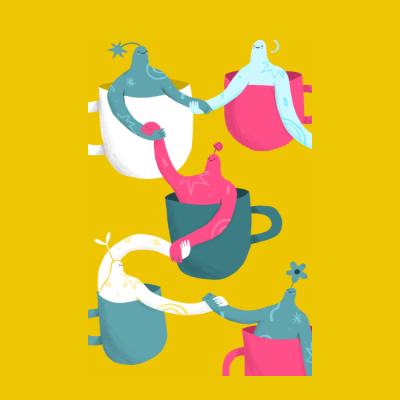
Friendship – a place where we can be ourselves as we truly are, with no artifice. A place of peace,…
By TARSHI
November 17, 2025

Editorial– CSE and Affirming Ecosystems
CSE’s ‘natural habitat’ is often considered to be the classroom, but as our contributors show us, CSE also lives, breathes and thrives in habitats as disparate as neighbourhood parks, jobs-training centres, playgrounds and sports fields, law schools, family discussions, and digital spaces.
By TARSHI
December 16, 2025
Editorial: Sexuality and Pleasure
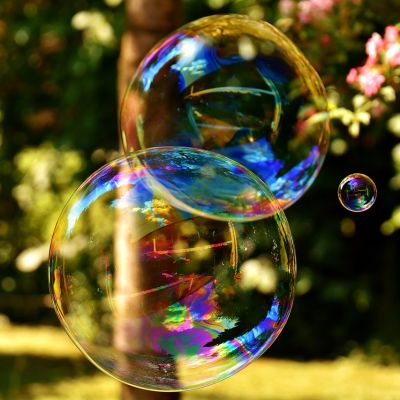
Fragile and fleeting like soap bubbles, pleasure shines with many colours. But its iridescence is frightening for many. Perhaps because its colours change in unpredictable and uncontrollable ways, and though fragile and fleeting, it is a world in itself
By TARSHI
February 17, 2020

Editorial: Sex and Sexuality
Prisms cause rainbow effects because they refract light into its constituent colours. What this means is that the prism itself does not create the colours we see, but that they are already present in what appears to be colourless or ‘white’ light.
By TARSHI
November 15, 2018
Editorial: Safety and Sexuality
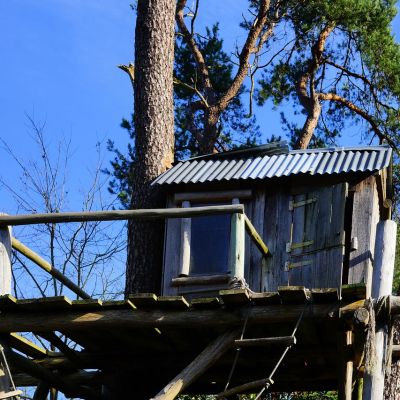
Safety and Sexuality… in these uncertain times of COVID-19 when most of the world is in some form or other of quarantine, safety has taken on a new meaning all together. People are encouraged to stay home, not step out unless absolutely necessary, practice social distancing, and so on. Is home the safest place to be? What about if home and family are where one feels least safe?
By TARSHI
April 15, 2020
Editorial: Privacy and Sexuality
In our mid-month issue, we have Mamatha Karollil writing about how she asserted herself after an incident of privacy violation when a nude picture of herself was seen by someone from work without her consent, and how ripping through, or not getting into, the cocoon of shame and dishonour, can prevent much distress…
By TARSHI
September 16, 2019
Editorial: Literature and Sexuality
As we see through this issue of In Plainspeak, stories have in them the power of exposing brutal truths about society and therefore also bring with them the possibility of reform, change, and hope, and when not possible, temporarily escaping into other worlds.
By TARSHI
March 16, 2020
Editorial: Intimacy and Sexuality
In our mid-month issue, Rahul Sen writes of the impossibility of intimacy, of the gnawing pain and underlying cruelties it may unsheathe and how it is at best an illusion while Pavel reminds us of how, in our search for intimacy, we keep bits and parts of our lost loves and they keep parts of us, and how through being loved by them we learn also to love ourselves.
By TARSHI
February 15, 2019
Editorial: Choice and Sexuality
Choices are also influenced by our milieu, by socio-cultural norms, by the laws and strictures that operate to regulate what we may and may not do. Lest this makes it seem that we are mere puppets triggered by internal whimsy and simultaneously constrained by external forces, our contributors show that this is not so.
By TARSHI
March 18, 2019

Editorial – Narratives and Sexuality
Stories hold power. They shape how we understand the world, and if they are stories of distorted facts and falsehoods, they spread unease, discord and hatred. But stories also allow us to imagine other possibilities; they give us hope that we can overcome oppression and injustice.
By TARSHI
March 17, 2023
Editorial – Masculinities and Sexuality
It’s time to scrape off the thick dark crusts of carelessly slapped-on murky hues of toxic masculinities and to bring out the brushes and the paints to paint masculinities in their true and glorious colours of life, freedom and love.
By TARSHI
May 19, 2025

Editorial – Digital Intimacies and Sexuality
We humans are sometimes able to squeeze kindness out of a stone. And love out of nowhere.
By TARSHI
March 17, 2026
Editorial – Comprehensive Sexuality Education
While there is an oversaturation of information on sexuality, accurate, inclusive and affirming information is few and far between. Comprehensive Sexuality Education (CSE) offers us multiple pathways to address these dilemmas.
By TARSHI
August 25, 2023

Editorial – Anthology Jan 2026
To remind us of what spaces that are safe, inclusive and self-affirming for each person could look like, we have curated a selection of articles from the last five years of In Plainspeak for this anthology – our gift to wish you a wonderful 2026.
By TARSHI
January 16, 2026

Editorial – The Pandemic and Sexuality
This month’s offering of articles, poems and fiction is an eclectic mix that (mostly) reflects what was borne out of the pandemic, and its impact on sexuality, intimacy, relationships, and more.
By TARSHI
May 16, 2024