sex

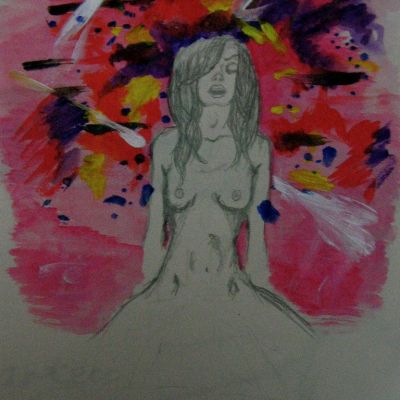
How To Make Me Come
This piece won’t write itself as an opinion piece or a review of experiences that happened or were bound to…
By Greeshma Gireesh
February 1, 2016
How to Have Good Sex?
During my interaction with students as a part of sexuality education classes in schools, one frequently asked question by boys is,“How to charm a girl?”
By Ramya Anand
September 4, 2018
How Masculine Am I?
I have dealt with having a non-masculine body since the time I was a teenager. I have questioned my sexuality and how it interacted with my non-masculine body.
By Asim Mudgal
May 19, 2025
Guilty Learnings: Breaking the Cycle with Comprehensive Sexuality Education
It is unfortunate that one of the most fundamental processes of human life is shunned to the extent that we’ve been taught, and so we learn to dismiss the natural feelings our bodies produce.
By Sanchia Alleen Aranha

Gerald’s Game – A Story Of Resilience In The Face Of Metaphorical And Emotional Bondage
This movie had instantly called out to me because the book had made a huge impression many years ago when I was going through a Stephen King phase and consuming as many of his novels as I could. It is a story of resilience where a woman had to rescue herself from a dangerous situation of metaphorical and emotional bondage as well as the physical and sexual kind.
By ElsaMarie D'Silva
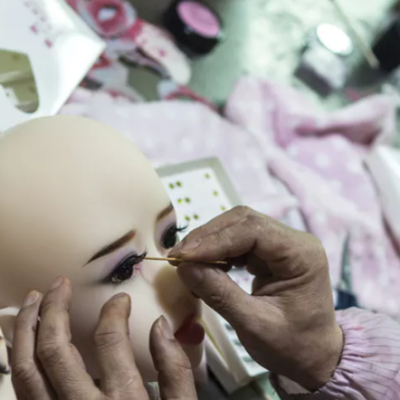
From Stone Dildos to Sexbots: How Technology is Changing Sex
Sex and technology link in many different ways – whether its helps overcome a disability or separation from a loved one, or is simply be a way to increase pleasure and excitement.
By Curated Content
November 15, 2018

From Judy Blume To The Sexy Internet: What Counts As Erotica?
I think the best thing we can do as we take this conversation forward is to consider this multifaceted breadth of desire as erotica; to include and not exclude in our definitions, and to accept desire wherever it lives, and in whatever form.
By Richa Kaul Padte

From Judy Blume To The Sexy Internet: What Counts As Erotica?
This question of appropriateness is, for me, at the heart of all questions around sexuality. Each of us carries within us our own private benchmarks for which expressions of sexuality we find appropriate, and which ones, in turn, have crossed an invisible line. The ones we believe belong across the border, in the land of the inappropriate, of the too much.
By Richa Kaul Padte
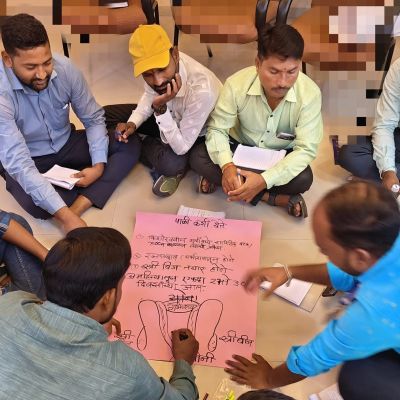
From Compliance to Critique: Localising Masculinity Work Through Feminist Praxis
…we must also address men’s relationships with their spouses, other men, women and children in the community, and importantly, their own emotional selves to transform fatherhood. Therefore, engaging with men as fathers must involve a holistic understanding of their socialisation, emotional world, and position within patriarchal structures.
By Anand Pawar

Friends of Paper, Friends of Flesh
That’s what books do, they open up the world to new possibilities, let you live a life bigger than your own.
By Ambica Naithani
November 17, 2025
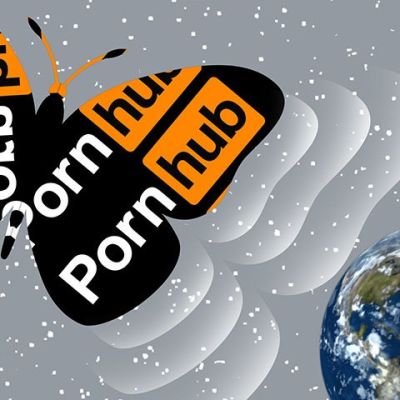
Free Porn and the Lives of ‘Porn People’ and their Fans: Jon Ronson’s ‘The Butterfly Effect’
I found The Butterfly Effect fascinating; it was wonderful to see discussions around porn without a singular lens of exploitation, and to tease out the nuances of how porn can be helpful – as in the case of those who request customs – or not
By Vani Viswanathan

Following Aladdin’s Genie
It is this camaraderie with sexualness that made my mother uncomfortable about my comfort with lipsticks. Stains become metonyms for the woman herself, and her sexuality. It is possible that this stain might stay on someone’s mind as they encounter a stained cup. It is possible that even if they never have seen the person, they would now be compelled to imagine them.
By Muskan Nagpal
August 1, 2019

Find Yourself – A Triptych
As we grow and experience intimate relationships, pleasure becomes taboo or is only okay as a performance for another person, rather than our right as human beings.
By Suryaa Rajan
November 19, 2024
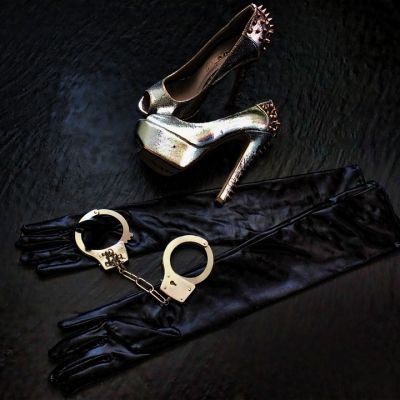
Exploring the Rape Fantasy
I am a feminist, sex-positive and LGBT affirmative Clinical Psychologist. Having that openly and publicly stated means that my clients feel very safe discussing some of the more taboo topics, especially ones that we are made to feel ashamed of. One of these is the topic of the rape fantasy.
By Vizla Kumaresan
August 1, 2018
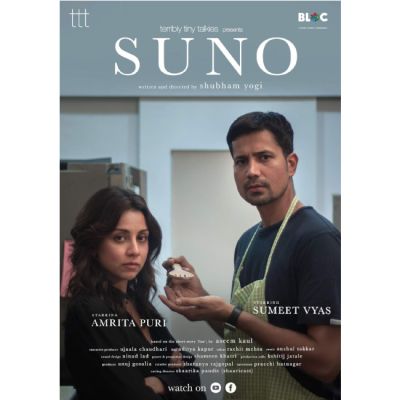
Exploring Consent Through The Film SUNO
There may be situations in which a person’s responses might not be unquestionably equated with consent. Is consent merely a ‘yes’ or does one need to look for other cues to make sure their partner wants the same thing as them when it comes to intimacy?
By Aratrika Datta
March 17, 2025