Safety

Interview – Jyotsna Siddharth
Our bodies are the vessels through which we feel, emote, work or navigate our societies and the world at large. Our bodies are the real, live archive of everything we have experienced and they have borne the consequences of our social conditioning and decisions.
By Shikha Aleya
June 16, 2023
Interview – Jasmine George
Jasmine George is a TEDx speaker, lawyer, and a sexual and reproductive health advocate from India. She is the founder of Hidden Pockets and currently curates conversations around sexuality and other fields. She is passionate about using alternative means in law and technology to explore sexuality
By Shikha Aleya
December 2, 2019
I Recently Had Sex With A Girl
I am a 25-year-old cis woman and I recently had sex with another woman for the first time. It was new, it felt nice, but it just didn’t feel safe.
By Pallavi
April 1, 2020
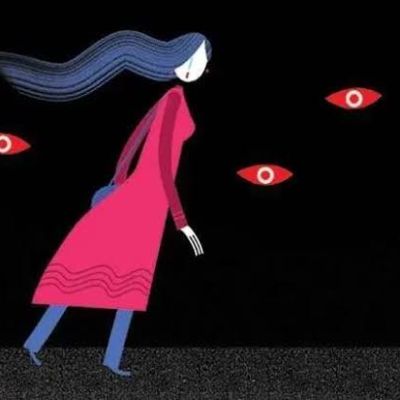
How Not To Talk About ‘Women’s Safety’ In Public Spaces
The only thing this language achieves (and maybe it is also the goal), is to create enough panic so that women themselves police and restrict their own mobility and whereabouts, and keep themselves away from public spaces whenever possible.
By Curated Content
April 15, 2020
Hot Girls Wanted – Keeping up with the times
The film Hot Girls Wanted followed the journey of five young women aged 18-25 years as they joined the pornography industry and also looked more broadly at at women in this age group and their motivation to join.
By ElsaMarie D'Silva
January 3, 2022

Gerald’s Game – A Story Of Resilience In The Face Of Metaphorical And Emotional Bondage
This movie had instantly called out to me because the book had made a huge impression many years ago when I was going through a Stephen King phase and consuming as many of his novels as I could. It is a story of resilience where a woman had to rescue herself from a dangerous situation of metaphorical and emotional bondage as well as the physical and sexual kind.
By ElsaMarie D'Silva
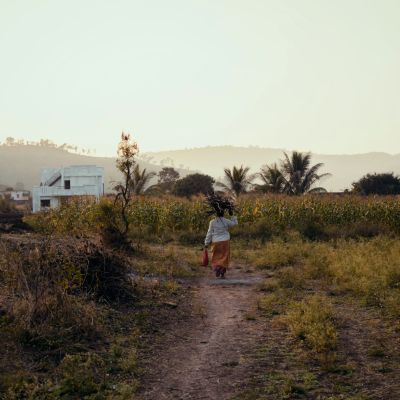
Ensuring the Safety and Wellbeing of Frontline Workers: A Call to Action for On-Ground Organisations
Frontline workers, often recruited from the communities organisations work with, face heightened risks to their health, safety, and wellbeing as their work extends beyond the walls of an office.
By Shilpa Nair
Editorial: Safety and Sexuality
Safety and Sexuality… in these uncertain times of COVID-19 when most of the world is in some form or other of quarantine, safety has taken on a new meaning all together. People are encouraged to stay home, not step out unless absolutely necessary, practice social distancing, and so on. Is home the safest place to be? What about if home and family are where one feels least safe?
By TARSHI
April 15, 2020
Editorial: Risk and Sexuality
In our mid-month issue, we add context to our perceptions of and dealings with risk in our day-to-day lives. Collating and interpreting responses we received on a survey taken by small group of random individuals, Shikha Aleya looks at the transactions around risk foregrounded on the interplay of our location on the axes of gender and sexual identity, disability status, belief systems, and availability of support, amongst others.
By TARSHI
October 15, 2020
Editorial: Public Space and Sexuality
In our mid-month issue Shilpa Phadke brings us an interesting mix of ideas woven from narratives of pleasure, danger, and resistance, among others, with regard to the digital streets of online spaces, and explores the conditions of possibility that will allow us to have fun in the online public space that is the Internet…
By TARSHI
April 15, 2019
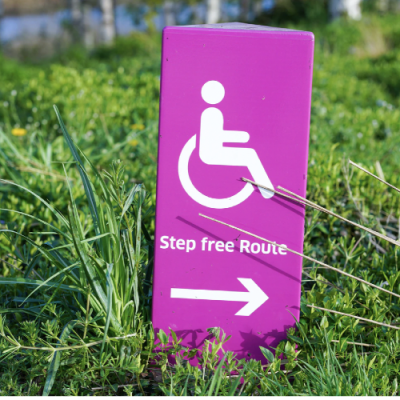
Editorial: Disability and Sexuality
Both sexuality and disability are complex terrains, offering a realm of possibilities that are often made unnecessarily complicated and unattainable by the mental maps we draw of them and the artificial barriers we erect.
By TARSHI
August 16, 2021
Editorial – Sexuality and SISA Spaces
We envision SISA spaces as non-judgmental, inclusive, rights-based and affirming spaces wherein people’s sexuality, their identities, wellbeing, choices, desires and pleasure are respected.
By TARSHI
January 3, 2022
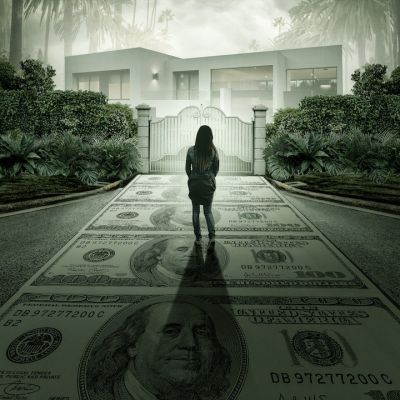
Dismantling a sex-trafficking pyramid
Every Friday my organisation Red Dot Foundation hosts a SafeCircle, an online space for listening and for sharing experiences of…
By ElsaMarie D'Silva
July 1, 2020
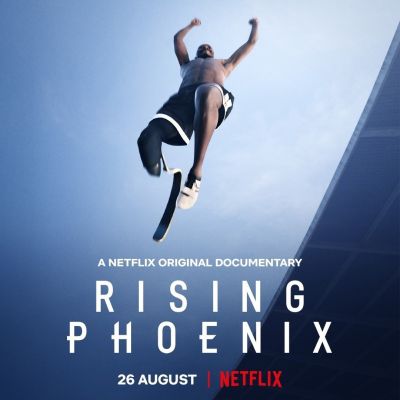
Despite all odds
In the spirit of the Games, I watched the Netflix film Rising Phoenix which documents the history of the Paralympics and its impact on the world in making visible the topic of disability. It also tracks the personal and professional journey of some of the top Paralympic athletes who share their challenges, frustrations and motivations.
By ElsaMarie D'Silva
August 2, 2021
Claiming One’s Space After False Sexual Harassment Allegations
Those who are rendered vulnerable due to their gender or sexuality, particularly those who are economically and socially disadvantaged (or less powerful) and lack the agency to speak up for themselves, are more prone to allegations, social ostracism and marginalization.
By Andy Stephen Silveira