queerness

Embracing a Queer Second Adolescence
To queer something is to disrupt normative frameworks, to imagine and create new modes of being (Pirani & Daskalopoulou, 2022)….
By Srividya Mehendale
July 22, 2024
Editorial: Safety and Sexuality
Safety and Sexuality… in these uncertain times of COVID-19 when most of the world is in some form or other of quarantine, safety has taken on a new meaning all together. People are encouraged to stay home, not step out unless absolutely necessary, practice social distancing, and so on. Is home the safest place to be? What about if home and family are where one feels least safe?
By TARSHI
April 15, 2020

January 13, 2025

Editorial – Anthology Jan 2026
To remind us of what spaces that are safe, inclusive and self-affirming for each person could look like, we have curated a selection of articles from the last five years of In Plainspeak for this anthology – our gift to wish you a wonderful 2026.
By TARSHI
January 16, 2026
Editorial – Spaces and Sexuality
A space can make us feel constricted or liberated, and sometimes even both at the same and at varying times. The combination of spaces that we may be occupying in the moment, as well as those we have in the past, predisposes us to act, feel and experience our sexuality in different ways.
By TARSHI
April 18, 2022
Editorial – Sexuality and Coupledom
If we are to reimagine coupledom and sexuality, we need to expand and challenge our ideas about togetherness, romance, love, intimacy, desire, sex, attachment, and so on.
By TARSHI
February 15, 2022
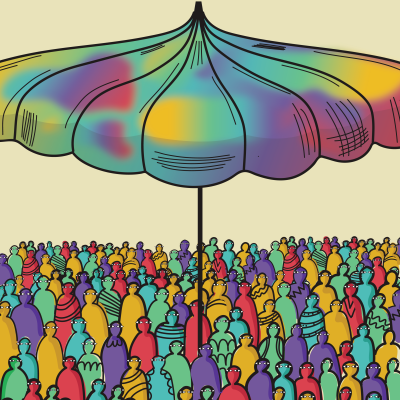
Editorial – Queering as a Way of Life
Queering is not about being queer but about doing queer – about going beyond binaries of gender and sexuality, questioning accepted perspectives, and challenging and upending normative ways of being in the world.
By TARSHI
July 22, 2024
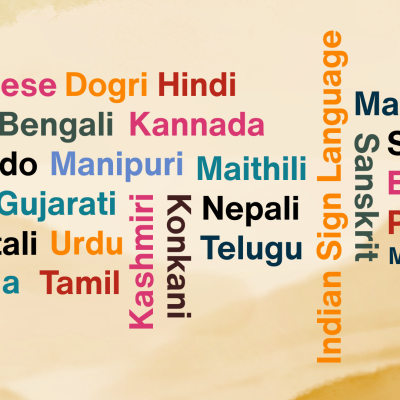
Editorial – Language and Sexuality
The glorious heights of self-actualisation to which some words beckon us, the promises lying within others, it’s all language.
By TARSHI
July 16, 2025
Drag As Mapping Culture, Fun, And Resistance Onto Our Bodies
Drag is more than a form of entertainment or art form or a form of comedic release, it’s the realization of the fun of being queer or having a queer perspective.
By Rajeev Anand Kushwah

Desexualising Disability
Two of my most favourite disability-related public awareness projects in recent years have been the American Able project and Undressing…
By Curated Content
August 15, 2014
Dancing around each other: Conversations with a Tween
As a generation X-er I grew up in a world that was challenging sexuality but only encountered the instability of gender as an adult in radical new academic texts which were not then yet part of our everyday narratives. My daughter born between Gen Z and Gen Alpha is growing up in a world of gender fluidity and multiple pronouns.
By Shilpa Phadke
March 15, 2022
Confessions of a Queer man
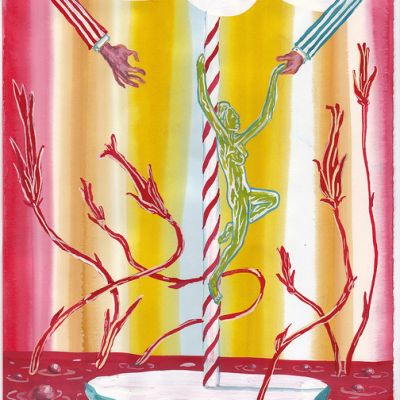
What I can say is that I tried to be the best lover for a woman, and I am much obliged to the girls I dated then for trying with me.
By Pavel Sagolsem
February 1, 2019
Claiming Our Spirituality Differently And Imaginatively
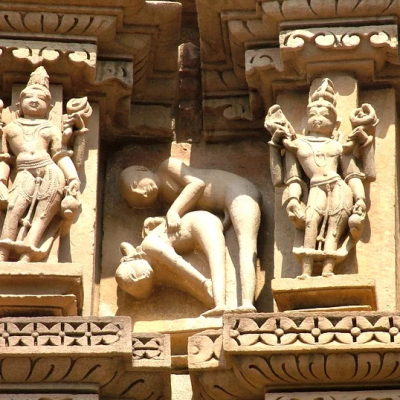
We need to claim our spirituality differently and imaginatively. There are many paths to god. For some it might be religion, or science, or sex, or love, or meditation, or art.
By Andy Stephen Silveira
November 15, 2019

Charting Queer Spaces: Lessons in Body and Belonging
Who gets to imagine this utopian sociality, or future, of the queer movement?
By Susmit Panzade
October 17, 2024
Brushstrokes: Searching for Network
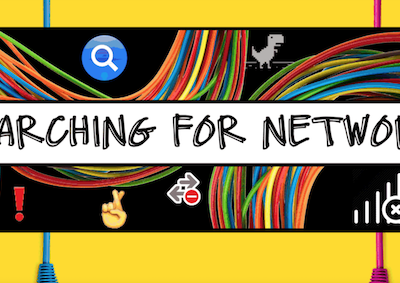
Thus, you take to the Internet, with its vast landscape of possibilities, and it becomes your means of finding queer solidarity, queer friendships, and even queer love.
By Curated Content
April 1, 2019