queerness

Loitering towards desire
We had gathered to [discuss] digital self-determination for people with disabilities… focusing on its core component: the self. How can I be myself in digital spaces? What gives me more of a sense of self in these spaces? How can design, technology and policy contribute to helping me determine myself in digital spaces?
By Bishakha Datta
February 16, 2023
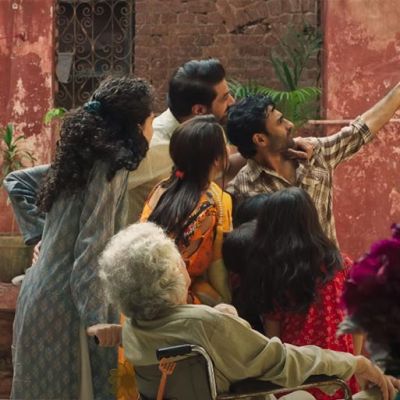
Joyland – Gazing Back Through the Lens of Desire
Directed by Saim Sadiq, Joyland (2022) is not a film about trans rights or women’s rights. It is not even about one specific group or community of people. It is about the whole spectrum of human emotions.
By Trijita
March 18, 2024
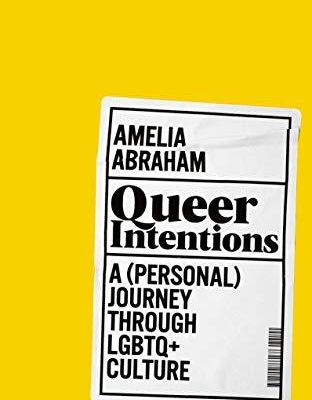
Joining her on the Journey: A Review of Amelia Abraham’s ‘Queer Intentions’
Queer Intentions manages to capture the vast nuances of the queer experience, as Abraham creates space for LGBTQ+ people of a whole spectrum of identities and diverse walks of life to tell their stories.
By Arundhati Nath
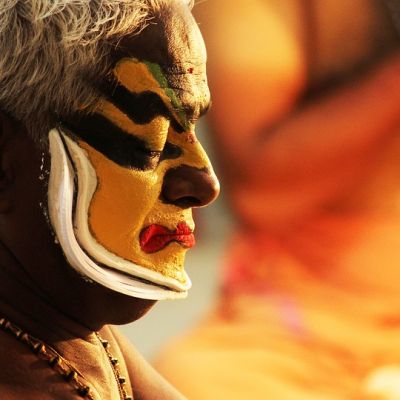
Issue in Focus: Performance and Sexuality
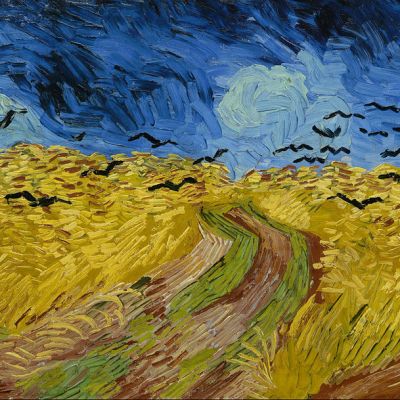
To think of sexuality as performative disrupts the need for stable categories and identities, instead suggesting that we all reinforce and disrupt normative formations as we attempt to inhabit the world in messy ways.
By Sneha Krishnan
September 4, 2018
Issue in Focus: Knowing Sex
We might need, therefore, to uncouple sexuality from intimacy because they do not necessarily belong together. Intimacy points to the comfort of knowledge while sexuality often shatters what knowledge we think we have.
By Madhavi Menon
February 1, 2019
Interview – Kiran Bhat
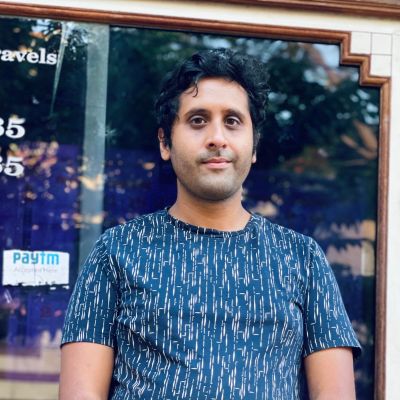
So I am realising now that for me the space of borderlessness applies to everything. It applies to the physical and topographical border as it does to the borders we create between gender and their expressions. I think I would like to argue for a truly borderless understanding of the world.
By Shikha Aleya
March 17, 2023
Interview – Prarthana Prasad
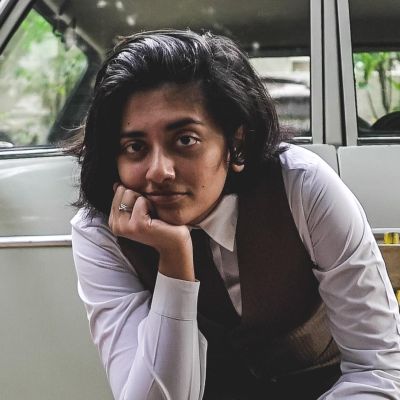
Entertainment should aim to inspire, comfort, reflect and express. Even if something violent earns big at the box office, it doesn’t justify its creation.
By Shikha Aleya
February 15, 2024
Interview – Chand
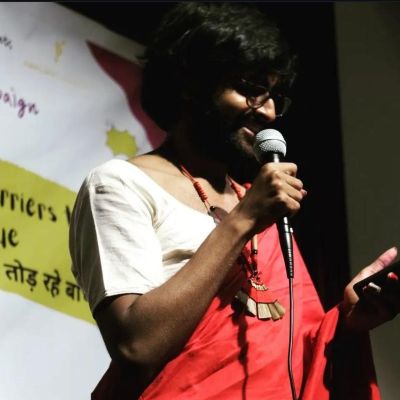
Safe spaces in the way that they often circulate are depoliticised and the assumption is that there won’t be any conflicts, but there can be no safe space without an exchange of ideas, which will create some bad feelings leading to conflict.
By Akshita Singh and Pragya Solanki
November 19, 2024
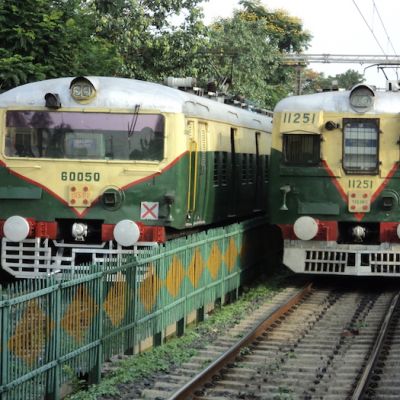
In Transit
I could have called it transformation instead of transitioning. But it became clear to me that transitioning does not necessarily imply a caterpillar-butterfly story but that it means a gradual acceptance of the self (and the self is ever-transitioning); of being comfortable in your own skin (even if it means shedding skin); of perfecting your act (even if it means learning a few new things).
By Rishit Wishit
September 17, 2018
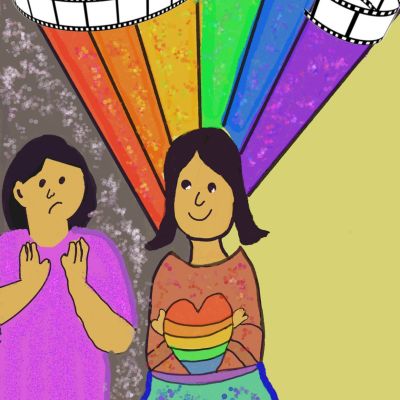
Identity’s Dance
From silver screens to pages penned,
Our identities explored, where journeys never end.
By Shruti Sharma
March 18, 2024
How Masculine Am I?
I have dealt with having a non-masculine body since the time I was a teenager. I have questioned my sexuality and how it interacted with my non-masculine body.
By Asim Mudgal
May 19, 2025
Home-coming
The morning was heavy, laden with the weight of expectation, with the unsettling realisation that something was about to shift.
By Niv, Vanshika Gupta, Anjani Chadha
November 19, 2024

Growing Up In A Bengali Household, How My Language Failed My Queer Identity
By Anonymous for Cake: A while back, when I was toying with the idea of coming out to my parents…
By Curated Content
Glass Onion
It was not uncommon for me to feel like an imposter, helping others connect with themselves while struggling to do the same myself.
By Janice G.
September 18, 2024
Girls, Shame, and Favourite Vegetables
“It’s rather unfortunate that our educational institutions and systems are so reluctant to understand, or they simply ignore, the importance of providing our youth with CSE that can help erase the shame and crippling self-doubt around sexuality, bodies, reproductive rights and wellness.
By Gayathri M R
August 25, 2023