intimacy

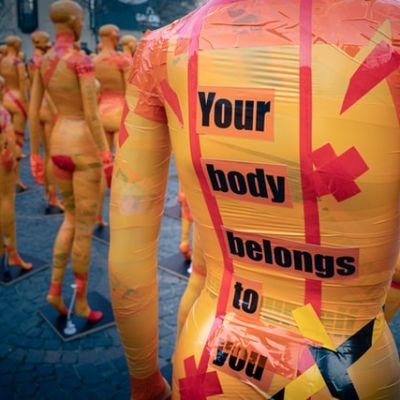
STAY SINGLE. STAY SAFE.
The largest contingent of voiceless, lonely women with limited agency in the subcontinent must be its married women. If they’re fortunate enough to be born and reach adulthood, a woman’s parents and society make sure she becomes an adult brainwashed into self-alienation and self-loathing.
By Nighat Gandhi
April 5, 2021
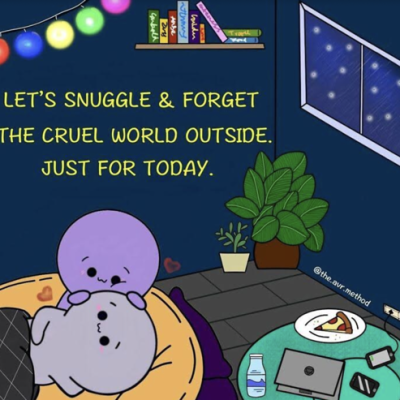
Brushstrokes: The AVR Method
From being comfortable doing nothing in someone’s company or cooking and laughing together, to confiding in them our hopes and fears, feeling safe letting someone seeing us at our best as well as through our not-so-good moments is like ‘coming home’ in the world.
By Curated Content
April 5, 2021

Editorial: Ageing and Sexuality
Ageing is often associated with a loss, a lack of ability and strength. When combined with sexuality, in the popular imagination, fed especially by market forces, youth is to be lauded and ageing regarded as the impending horror that must be evaded for as long as possible.
By TARSHI
March 15, 2021

Buddha Mil Gaya… Why Does the Thought of Old People With Sex Lives Make Us Cringe?
What is unconventional about the depiction of this love, among all the others that have been spoon fed to us via Bollywood, is that this romance between two older people – Nafisa Ali and Dharmendra – is not about stealing the odd glance and simply holding hands.
By Curated Content
Maybe age is more than just a number? My discovery of my sexuality and sexual preferences over the years
Age is not just a number, like it is often said to be. It is a lot combined together. It is about grace, it is about exposure, it is about knowledge, it is about the ability to fight back. And yet, in endless other ways, age IS just a number.
By Asmi
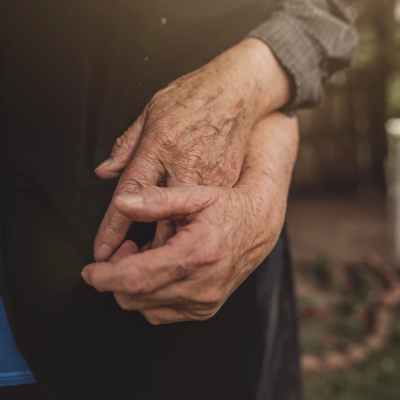
Age no bar
While the idea of older adults and sex is a taboo in itself, the idea of older adults exploring their sexuality, by engaging in same-sex relationships, or by experimenting with the way the look, or by becoming more sexually active, causes even greater discomfort.
By Aamena
March 1, 2021

Whatever it takes…walking life as single women
What I am proposing here is to look at being in a relationship and being single together because what is important here is the idea of ‘be-ing’ as opposed to the stereotypes and perceptions attached to our relationship with ‘the One’ or to singlehood.
By Gurpreet Kaur
February 1, 2021
In Appreciation of Singlehood
Growing up, for me, has been about accepting that the loneliness and sadness woven into the fabric of my being do not go away with entering conventional arrangements like monogamous relationships or marriage.
By Siddhi Pandey
February 1, 2021

WHAT I LEARNED ABOUT SELF-CARE AND WELLBEING AS A SEXUALITY RIGHTS ACTIVIST
Wellbeing and sexuality for me therefore entailed thinking through and dealing with violence, understanding and acknowledging it as not the entirety of one’s experience, and going through a process of healing.
By Arpita Das
Editorial: Femininities and Sexuality
Are certain forms of femininities denigrated more than others? Not just by misogynists but also by feminists? Is there a particular way of manifesting an ‘appropriate’ femininity, one that is just right, and is not ‘too girly’ or ‘too tomboyish’?
By TARSHI
December 15, 2020
A ‘girly’ feminist
Desiring motherhood meant veering into a more ‘girly’ territory, a notion that I had simultaneously been fighting and trying to embrace since childhood. I had understood that to be a feminist I had to be independent, be wary of men, dislike families and relationships.
By Anubha Sarkar
December 1, 2020

Queer Heterosexual, Heterosexual Queer: Two Tales of Queer Love 100 Years Apart
The lovers enact many recognizable hetero-normative romantic tropes – the wronged petulant woman pacified via kisses and caresses, the woman too tired for sex who then tries to placate the sulking male lover.
By Mamatha Karollil
Editorial: Support Systems and Sexuality
Connection is essential for our survival – physical, mental, emotional and spiritual. We connect with people, form networks of care and support, and in a sense weave webs of safety and comfort that we can turn to when stressed or simply want to infuse a dose of joy into our day.
By TARSHI
November 16, 2020

Interview – Anahita Sarabhai
As a queer person, it’s hard not to think right away of chosen family. A term that has become relatively well-known by now, but not always understood I find. One of the primary support systems I personally, like many queer folx, depend on, are ones that we develop and nurture over time.
By Shikha Aleya
November 2, 2020
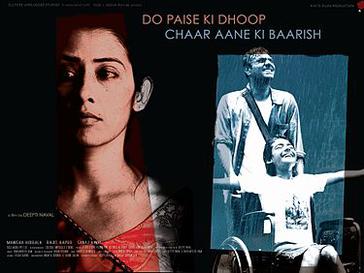
Do Paise Ki Dhoop, Chaar Aane Ki Baarish: A platonic togetherness
The movie was criticised for its stereotypical portrayal of Debu as a gay man. But, the beauty is that it also highlights the reversal of gender roles. The smiles, and the laughter sounding throughout the house, create a cheery note in the movie.
By Dr Swarupa N Kshirsagar
November 2, 2020