Body Image

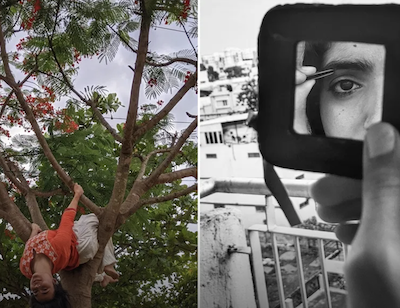
Brushstrokes: Women At Leisure: Photo Essay On Pastime As A Feminist Issue
Inspired to collect photographs of women spending time by themselves and for themselves after a conversation with her mother’s friend, Surabhi Yadav began the project, Women at Leisure.
By Feminism in India
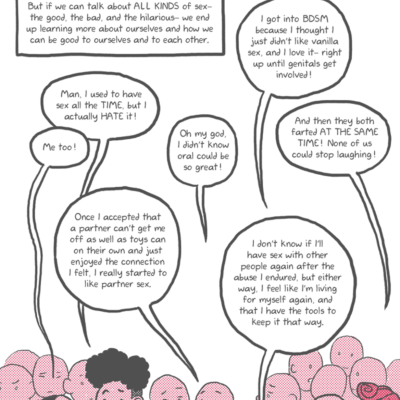
Brushstrokes: Who We’re Leaving Out of Sex Positivity – And How to Make It More Inclusive
Everyday Feminism’s comic illustrates the complexity and diversity of sexuality, revealing how sex can sometimes be pleasure-affirming and sometimes not, and asks us to talk about ALL KINDS of sex – the good, the bad, and the hilarious.
By Curated Content

Brushstrokes: Hotel Rooms
For the last seven years, I have been working on a body of work titled Hotel Rooms themed around fluid male sexuality, mental health, queerness, and challenging deep-rooted societal gender binaries.
June 16, 2023
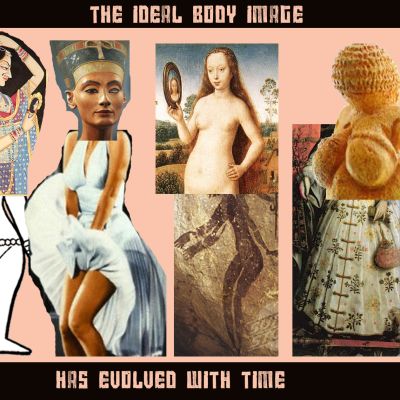
Brushstrokes: Body Image
[slideshow_deploy id=’2632′] We want what we see, And imitate the girls on TV, and we get over-awed, by an IMAGE,…
By Sakshi Bhatia
May 1, 2014
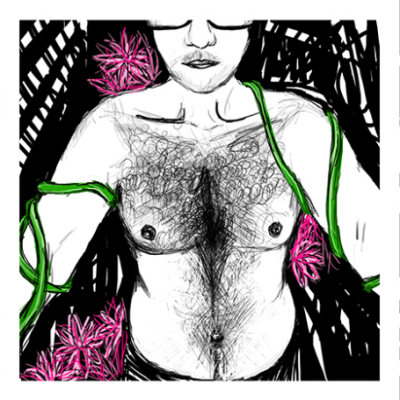
Brushstrokes: Body
“Every type of body is beautiful, and more importantly every type of body is different,” says artist Veer Mishra while describing Body, his series of illustrations. This ‘difference’ is the essence of what he tries to portray through his art.
By Curated Content
May 1, 2019
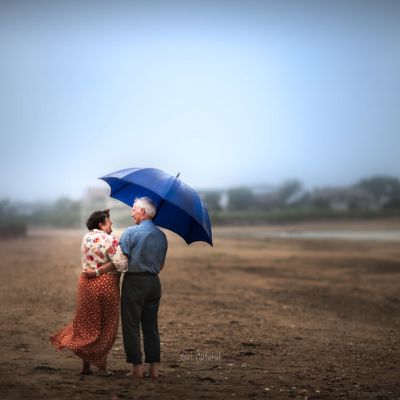
Brushstrokes: Ageing and Sexuality
Capturing moments of tenderness between these couples as they shine with affection, comfort, and laughter, Sujata’s photo-series reminds us that we don’t simply fall in love, but with time, nurture and strengthen intimacy.
By Curated Content
March 15, 2021
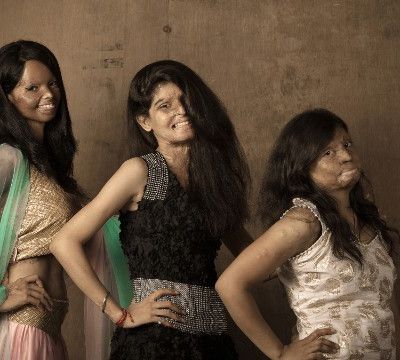
Brushstrokes
[slideshow_deploy id=’6065′] The following photographs question our notions of beauty and an ‘ideal’ body. Rahul Saharan shot a series of…
By Curated Content
June 1, 2015
BEING THIN… BEING ME
Which one of these is the right question to ask myself: When was the first time I realised I was…
By Ekta Oza
December 1, 2014
Being Thin… Being Me
Which one of these is the right question to ask myself: When was the first time I realised I was thin? Or, when was the first time I was made to realise I was ‘different’ and there was something wrong with me that needed to be fixed? Or, when was the first time I defined myself as a thin person and was comfortable being so?
By Ekta Oza
May 1, 2014

Being of Queer Age
The conversion of the noun (adult) into the verb form (adulting) implies that ‘adulting’ is more performance than inevitability. Which is to say, there is no intrinsic understanding of ‘adulting’; it is something that can be learnt over time.
By Roshan Roy
March 15, 2021

Being A Queer Woman Helped Me Accept My Body
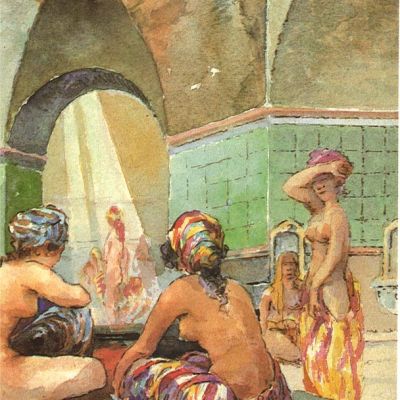
Being a woman who loves other women, I realised that women look at me with the same tender gaze I look at them with. And that, more than anything, has made me feel at peace with my body. I hope to one day love it
By Curated Content
April 15, 2020
Beauty is The Beast: How Women Let Their Looks Matter
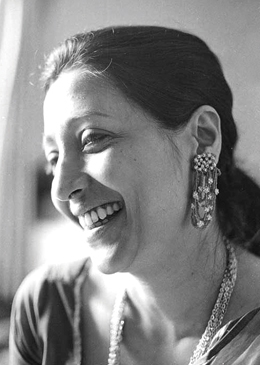
The young Suchitra Sen – then plain Krishna Dasgupta – apparently once sat on a school bench and announced that she would be remembered long after her death. An ordinary middle class girl who was one of nine siblings, and an average student bereft of any artistic talent, all Sen had was her looks. But apparently, that was enough. “She was conscious of her great beauty… and behaved as if she… deserved every bit of the natural selection,” wrote Susmita Dasgupta in a thoughtful Facebook note.
By Curated Content
A ‘Peoples Self-Care’ In-the-Making: Perspectives on the Multiple Possibilities of Existence and Care
But self-care is not a clean and happy procedure, it is not definitively achievable when systematically explored. To understand the scope of self-care we need to see the ‘dark side’ of the landscape, and destroy the versions of self-care that denounce our plurality. In this fight, the only outcome can be a recognition of experiences beyond the wellness narrative structured around the neoliberal agenda. This article is an attempt at foregrounding some aspects of self-care that decentralise the prevalent commodification of it.
By Rukmini Banerjee