Body Image

Interview – Srinidhi Raghavan
Disabled people might not have many spaces where they can speak openly about their sexual experiences or even sexual curiosity. There is a heavy monitoring of disabled young people especially, and this can mean that exploration, which is often how many of us discover sexuality, can be limited. Moreover, since the experiences of disabled people are not seen in popular media such as films, we can (and probably do) imagine we will have the same or similar experiences as non-disabled people – which is often not possible.
By Shikha Aleya
August 2, 2021
Interview – Raj Mariwala
Self-care is influenced by the environment we inhabit, the way we relate to others, the way we negotiate with other living beings or structures. Self-care is also interlinked with other types of care – whether that is in community resources, psychosocial support, engagement with medical and health care institutions, and of course in collective agency and solidarity.
By Shikha Aleya
July 5, 2021
Interview – Raj Mariwala
Self-care is influenced by the environment we inhabit, the way we relate to others, the way we negotiate with other living beings or structures. Self-care is also interlinked with other types of care – whether that is in community resources, psychosocial support, engagement with medical and health care institutions, and of course in collective agency and solidarity.
By Shikha Aleya
January 3, 2023
Interview – This is what you bring to the table!
In this write up, we’d like to share a sense of what emerges from a compilation of these responses. This is based on the thoughts and feelings that come through for those of us here at In Plainspeak who have had the joy of reading the original responses as they came in to us. (Some of the quotations that follow have been slightly edited for flow and to help connect themes.) We know that most things in the realm of art, information and ideas lend themselves to a wide range of inferences and insights depending on the individuals making the inferences.
By Shikha Aleya
March 1, 2022
In Appreciation of Singlehood
Growing up, for me, has been about accepting that the loneliness and sadness woven into the fabric of my being do not go away with entering conventional arrangements like monogamous relationships or marriage.
By Siddhi Pandey
February 1, 2021
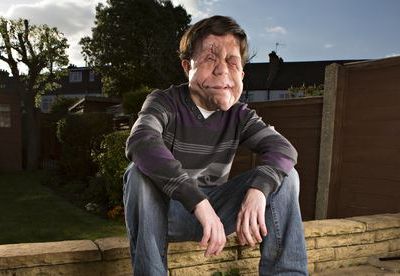
How Scarlett Johansson Helped me Challenge Disfigurement Stigma
Adam Pearson was born with a condition that causes tumours to grow on his face. But acting with Scarlett Johansson in ‘Under the Skin’ is changing the way people look at him.
By Curated Content
How Not To Do Body Positivity Fashion
For women like me, there is an enormous lack of options in addition to the market that relegates us to a corner of ‘plus-size brands’
By Trijita
September 20, 2023
How Masculine Am I?
I have dealt with having a non-masculine body since the time I was a teenager. I have questioned my sexuality and how it interacted with my non-masculine body.
By Asim Mudgal
May 19, 2025
HOW I LEARNED THAT I DESERVE TO LOVE MYSELF
“I feel comfortable with who I am,” he responded. “I’m at ease with myself. I don’t wake up and hate myself. I can’t tell you how amazing that feels.”
“I know how that feels,” I told him.
By Guest Writer
January 4, 2021
High Heels and Loose-fitting Clothes: Movement Unfettered
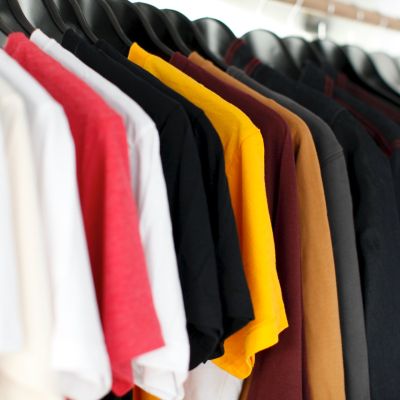
As I reached puberty, well-meaning family members said that I should start being more ladylike; I believe that this is…
By Taniya Mondal
Freak Shows: Looking at Human Bodies on Exhibit
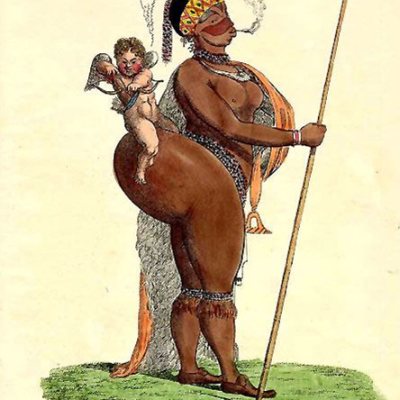
No two human bodies are alike, and our different bodies arouse curiosity. But our fascination for the aesthetics of the perfect human body has historically created a space within art, science and religion for the examination of the ‘abnormal’ and the ‘imperfect’. As a result, some bodies are normalised while others become oddities.
By Shweta Krishnan
May 1, 2014
Freak Shows: Looking at Human Bodies on Exhibit
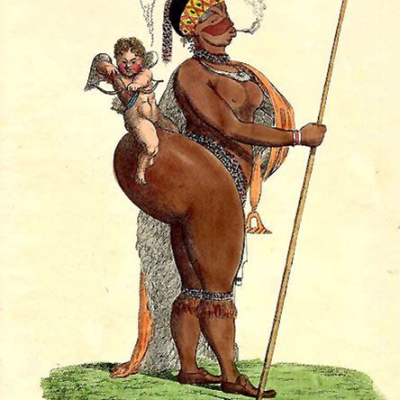
No two human bodies are alike, and our different bodies arouse curiosity. But our fascination for the aesthetics of the perfect human body has historically created a space within art, science and religion for the examination of the ‘abnormal’ and the ‘imperfect’. As a result, some bodies are normalised while others become oddities. Freak Shows, and to a large extent, circuses and even exhibits in medical or anthropological museums particularly stand out for dehumanising and objectifying these different anatomies, and oftentimes subjecting these bodies to violence and discrimination.
By Shweta Krishnan
June 15, 2021
Extra Large
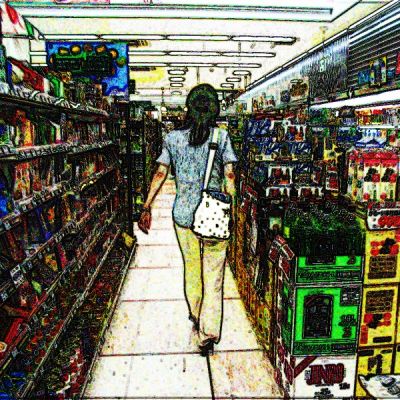
“Large will not fit you.” / She is scoping me, up and down, eyes / Flicking fast and darting away / From the roundness of my breasts / To the happy jiggle of my thighs.
By Damini Kulkarni
August 2, 2016
Extra Large
“Large will not fit you.” / She is scoping me, up and down, eyes / Flicking fast and darting away…“Try extra-large instead.”
By Damini Kulkarni
January 3, 2023

Editorial: Singlehood and Sexuality
In this issue of In Plainspeak our contributors reflect on and reveal the myriad facets of being single – is it a choice? A condition? A state of being? Lonely? Joyful? Not one or the other, but a glorious mix?
By TARSHI
February 15, 2021