Review

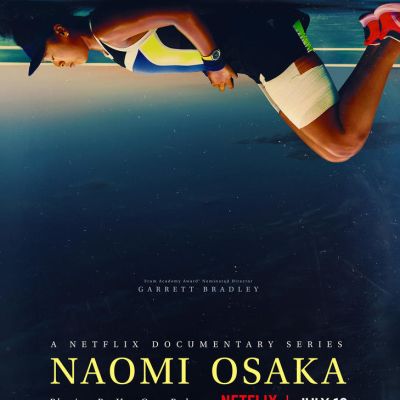
Trivializing women’s (mental) health
Naomi Osaka has been in the news recently for pulling out of the Tokyo Olympics, refusing to do media interviews…
By ElsaMarie D'Silva
October 4, 2021
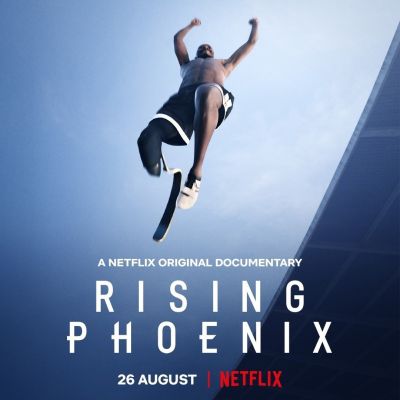
Despite all odds
In the spirit of the Games, I watched the Netflix film Rising Phoenix which documents the history of the Paralympics and its impact on the world in making visible the topic of disability. It also tracks the personal and professional journey of some of the top Paralympic athletes who share their challenges, frustrations and motivations.
By ElsaMarie D'Silva
August 2, 2021
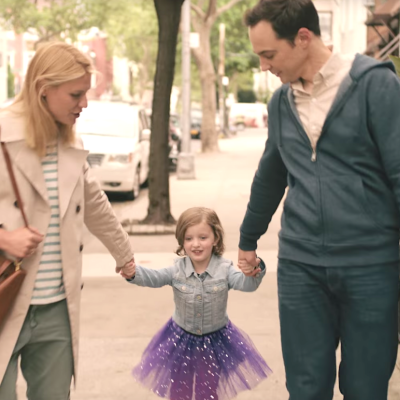
Review: I see you
My friend’s son, too, likes wearing tutus and frilly skirts. Every time they go shopping for clothes, he heads to the girl’s section and picks out the frilliest outfit. At check out, invariably the cashier asks if the pretty outfit is for his sister and he confidently says it is for him. Often he wears these outfits to school. His confidence comes from his mother’s acceptance of him and her understanding of his gender expansiveness. It helps that she is a sociologist, but there is a constant pushback from society including from his peers at school who bully the little boy. But it is the constant support from his mother and family that allows him to remain confident and thrive whilst being different.
By ElsaMarie D'Silva
June 15, 2021
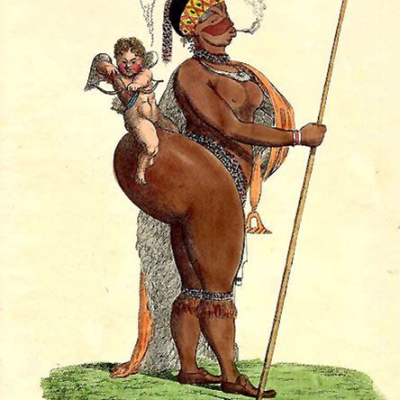
Freak Shows: Looking at Human Bodies on Exhibit
No two human bodies are alike, and our different bodies arouse curiosity. But our fascination for the aesthetics of the perfect human body has historically created a space within art, science and religion for the examination of the ‘abnormal’ and the ‘imperfect’. As a result, some bodies are normalised while others become oddities. Freak Shows, and to a large extent, circuses and even exhibits in medical or anthropological museums particularly stand out for dehumanising and objectifying these different anatomies, and oftentimes subjecting these bodies to violence and discrimination.
By Shweta Krishnan
June 15, 2021
Review: What Does Clothing Have to do with Sexuality in the Media?
Attire and sexuality in the common imagination and approach as represented (and also as received) by the mainstream media tell us a lot about prevailing attitudes to both. Advertisements bombard us with all kinds of representations, negative and positive, of human sexuality, sexual expression and desire. In the creation and marketing of attire and fashion, there is a great awareness of sexual buy-in or rejection by the market – that’s us.
By Shikha Aleya
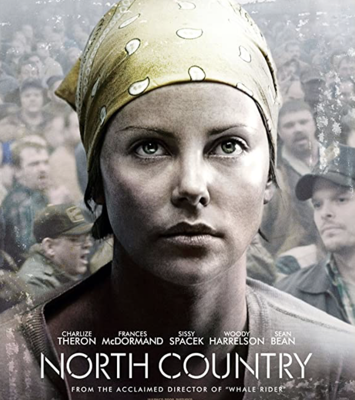
Invisible Women
I recently watched North Country on Netflix, a movie based on a true story of a woman’s fight for equality at the workplace. It is based on the case, Jenson vs Eveleth Mines, in the United States in which Lois Jenson, fought for the right to work as a miner, and the right to work free of sexual harassment. She won the landmark 1984 lawsuit, which was the first class-action lawsuit on sexual harassment at the workplace in the United States and resulted in companies/organisations having to introduce sexual harassment policies at the workplace.
By ElsaMarie D'Silva
May 15, 2021
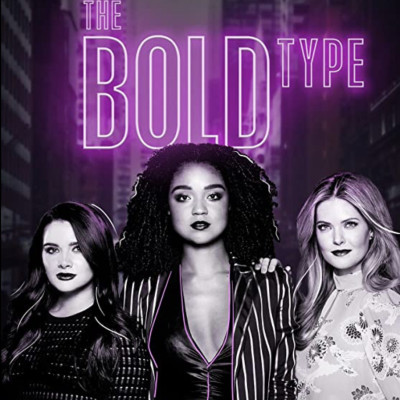
Circle of Trust
None of these characters is perfect but in their imperfections we can learn more about body positivity, gender sensitivity, privilege, consent, unconscious and implicit bias, sexuality, masculinity, their intersections with class, religion, race, age, and more.
By ElsaMarie D'Silva
April 5, 2021
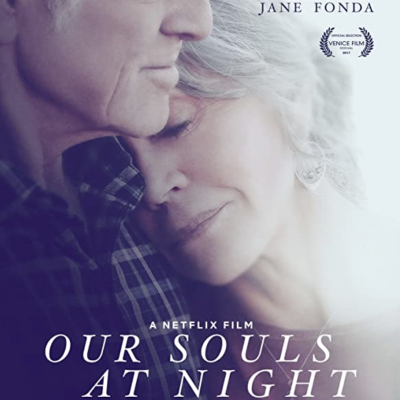
Making the most of our lives
I realised that we are constantly thinking about the future and our life as we age, and are afraid of facing the world alone. The uncertainty of future events, of which there are many combinations, makes us feel insecure and vulnerable.
By ElsaMarie D'Silva
March 1, 2021
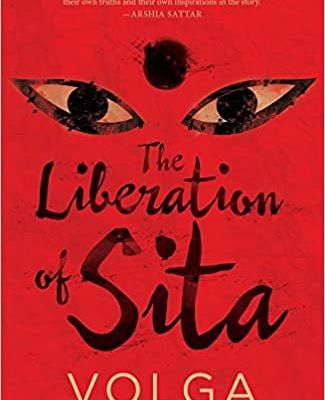
Lessons for Contemporary Times from The Liberation of Sita
In this narrative, Sita finds solace in these women and understands a different perspective about beauty, self-worth, authority, self-reliance, and toward the end, finds liberation from society and marriage which were the root cause of her sorrow.
By Tulika
February 1, 2021
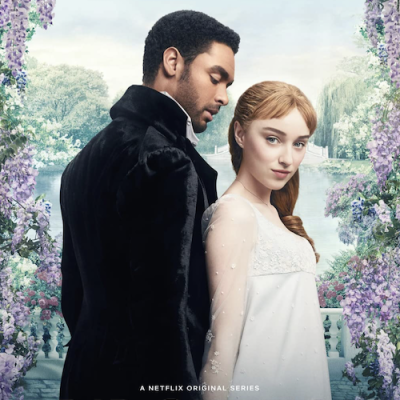
Bridgerton: Pairing-up Pressures
By and large, society expects a woman to marry. Often people in one’s circle judge a woman if she doesn’t marry, inquiring about what could be wrong but most never assuming that it could be out of choice
By ElsaMarie D'Silva
February 1, 2021
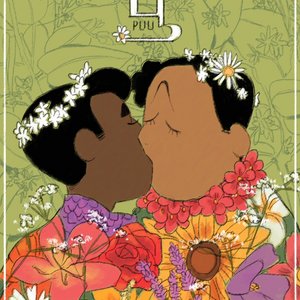
BLOSSOMING INTO A GARDEN: SPIRITUALITY, SEXUALITY AND ALL-CONSUMING QUEER LOVE IN ‘PUU’
Puu, an episodic comic (consisting of 92 serialised episodes) created in 2016 by Nabigal-Nayagam Haider Ali – going by Nabi online – is woven together with vast, expansive threads of similar intense spiritual moments and reflections on devotion, faith, and love.
By Rohini Banerjee
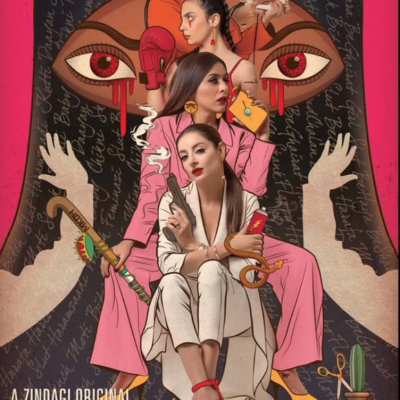
Churails: The Revolution Within Us All
Their inimitable personalities showcase their varied conceptions of insaaf (justice), enriching and intensifying the plot and, at the same time, reaffirming their solidarity and strengthening their unity.
By Nupur Paliwal and Saloni Mishra
December 1, 2020
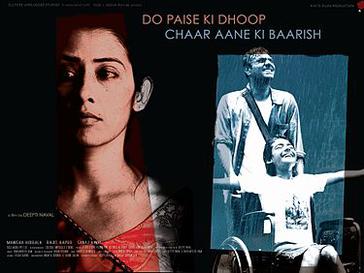
Do Paise Ki Dhoop, Chaar Aane Ki Baarish: A platonic togetherness
The movie was criticised for its stereotypical portrayal of Debu as a gay man. But, the beauty is that it also highlights the reversal of gender roles. The smiles, and the laughter sounding throughout the house, create a cheery note in the movie.
By Dr Swarupa N Kshirsagar
November 2, 2020
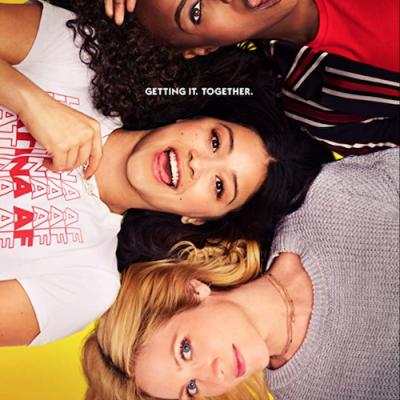
Nothing Lasts Forever
These two films were refreshing because they didn’t have the fairytale endings of girl-meets-boy, they fall in love, overcome difficult challenges and live happily ever after. Instead, they were set in everyday reality where life takes over and choices have to be made.
By ElsaMarie D'Silva
October 5, 2020