Remember the ‘first time’? And probably, you, like many of us, were plagued by fears of ‘What if…?’ But instead of that, what if we had known all that we needed to know?
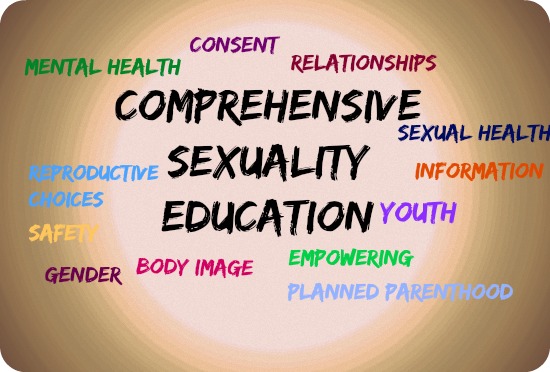
By and large, we humans are sexual beings throughout our lives. This means that learning about sexuality is a lifelong process – we can never be too old to learn more. That being said, it was specially when we were young that we needed more information than we had, and that is why we feared the dreaded ‘what if…?’ Sadly, this holds true today as well, despite the glut of (mis)information out there. It would be pretty easy to resolve if we have Comprehensive Sexuality Education (CSE). However, the very mention of Sexuality Education creates strife and turmoil as we have seen in our country. The articles in this issue of In Plainspeak explore why this is so and what might be done about it.
In the Issue in Focus, Sonia Soans discusses society’s fear and anxiety around Sexuality Education and points to paradoxes that co-exist such as the loudness of media representations of sex and the simultaneous lack of open conversations about sexuality. What do we really need to fear she questions.
In the I Column, Padmini Iyer reflects on her PhD related fieldwork and what it is like to actually ‘do’ research with young people who want to learn more about sexuality. Rishita Nandagiri writes about her own life experiences that have eventually led her to become an advocate for Comprehensive Sexuality Education. She mentions emphasises that the access to accurate CSE material for all young people should also target attitudes, ensure access to services and dismantle legal, social, cultural, economic barriers.
In Voices, Shikha Aleya who has been reviewing sites online to understand the meaning of Comprehensive Sexuality Education (CSE), talks about what’s ‘hot’ and what’s not. Ketaki Chowkhani discusses adolescent relationships, romance, desire and love and asks how we can engage with adolescent romantic and erotic love in the educational sphere.
In the Interview section, we have Radhika Chandiramani in conversation with Shikha Aleya on the (sad) state of Sexuality Education in India. She also points out how not just students, but teachers too need to learn about Sexuality Education. This makes a lovely segue to Simran Luthra’s review of TARSHI’s ‘The Orange Book: A Teachers’ Workbook on Sexuality‘.
In the Reviews section, Deepa Ranganathan writes about her experience of the seven-day Sexuality, Gender and Rights Institute (SGRI) organised by Delhi based organisation CREA in Khandala, Maharashtra. She describes the different sessions and discussions she had with other participants during the SGRI around the important issues of sexuality, gender and rights.
Vithika Yadav’s article for the Hindi section is about the popular website Love Matters that presents sexuality related information in a fun way for young people.
The Video section has a music video developed by Aahung, Pakistan, in collaboration with Qayaas, a Pakistani rock band, to raise awareness about gender discrimination, sexual harassment, and peer pressure on young people.
In Brushstrokes, we are featuring TULIR – Centre for the Prevention and Healing of Child Sexual Abuse (CPHCSA)’s posters on CSA or Child Sexual Abuse awareness. The posters are called ‘It Takes a Community to Protect a Child’.
The Innovations Corner brings you SAFE, an app launched by The Asian-Pacific Resource and Research Centre for Women (ARROW). Curious? Go check it out!
Don’t miss the #Talk Sexuality campaign! This is TARSHI’s campaign in collaboration with Youth Ki Awaaz to stimulate dialogue with and among young people on CSE. We are also featuring some content from the campaign in the Blog Roll section. Join the campaign and do spread the word that access to Comprehensive Sexuality Education is a human right.
Happy Reading! Stay with us!
The TARSHI team.