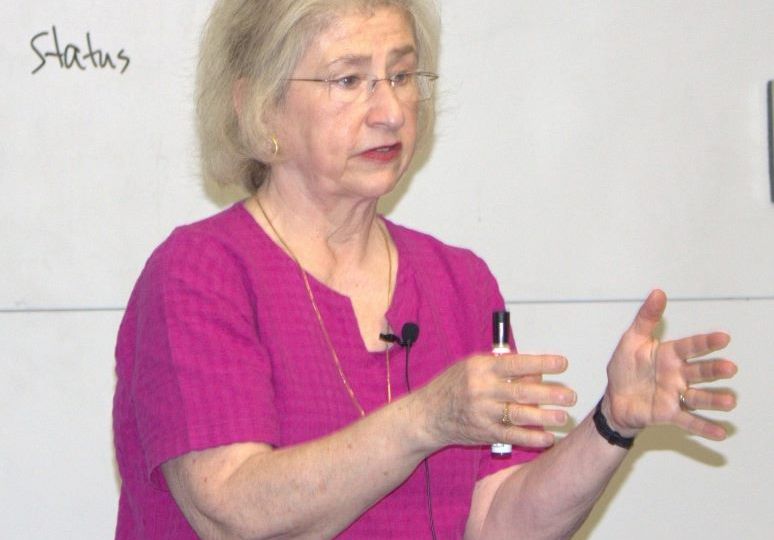
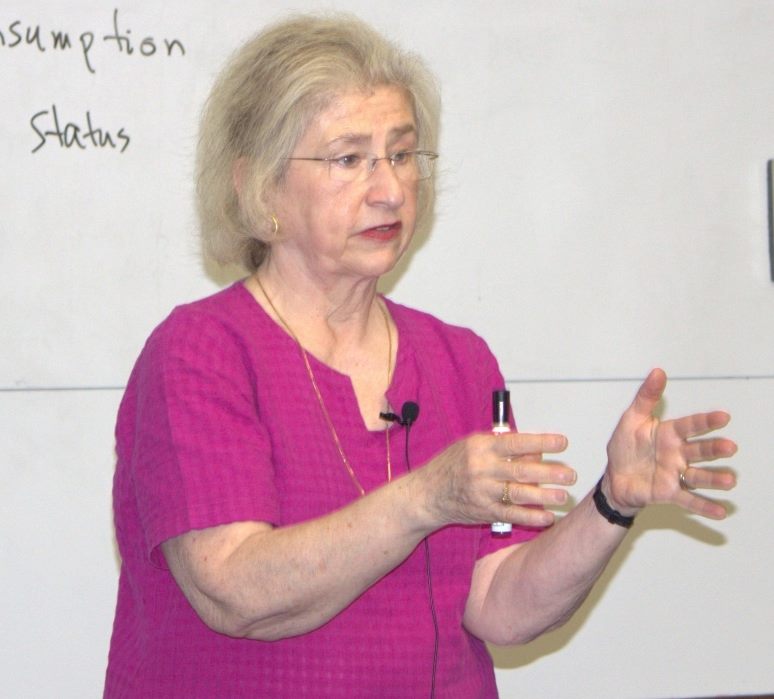
I recently had the wonderful opportunity of attending the seven-day Sexuality, Gender and Rights Institute (SGRI)* organised by Delhi-based organisation CREA in Khandala, Maharashtra. While I was elated at being selected to avail of this rare opportunity (the Institute boasts of a strong and experienced faculty) I was more curious to learn further about the topics that would be covered and to see how extensive the learnings would be. The course is spread across seven days and covers all issues around gender, rights and sexuality. It aims to explore both theoretical and practical understanding of these key topics. All the participants were promised that the Institute would end with us pausing to reflect on some of our assumptions and unlearn them effectively. I looked forward to such an experience.
 Not to sound very Freudian, but perhaps it would not be an exaggeration to state that sexuality and sex is linked to everything that we do and our social existence. Our gender decides several of our life choices and social roles. Our sexuality determines whether or not we are treated as equals or ‘deviants’. Our rights must be established in order to lead a just and meaningful life. While sex education and sexuality education have existed before, a comprehensive one that covers every aspect around it is rare and perhaps exists only in theory. Or so I believed.
Sexuality education is expected to cover an array of topics—ranging from sexual identity, sexual orientation, gender identity, sexual pleasure and concerns around consent and its complexity. The SGRI covered all of this and, if possible, even more. While it is extremely crucial to discuss issues of violence and violation (here, I refer to those only within a sexual context), the deep focus on violence against women and other marginalised sections of society has made discussions around sexual pleasure and gratification take a backseat, thereby reducing its equal, if not more profound, importance.
While, historically, women’s rights began being included under the larger umbrella term of human rights only after the middle of twentieth century, the right to pleasure and the right to seek pleasure somehow lost their significance in the face of the urgency of addressing cases of extreme violence and torture that emerged from across the world.
Historically speaking, the feminist movement has also been one that began by unearthing stories of violence and recognising patriarchy as the root of violence and exploitation before the second wave of feminism began grappling with the notorious ‘Sex Wars’ within debates and discussions around prostitution and pornography (anti-porn feminists versus sex-positive feminists). While sex and sexuality have been central to the feminist movement, a discussion around sexual pleasure has, historically, created a divide among feminists. Feminists across the globe still stand divided on issues around sex work and pornography. While we have feminists who advocate for feminist porn and protest against censorship, we also have feminists who believe that pornography is nothing but demeaning, degrading and offensive to women, and also exploits them sexually. With regard to sex work, there still exists no consensus among feminists and women’s rights groups on consensual sex work and the right of a person to do sex work, if they wish to engage in it voluntarily.
 While these debates are complicated and it is certainly difficult to identify a clear stand, they are, nevertheless, crucial debates of contemporary times. More so, because they are directly linked to concerns around consent. While consent is also an often-contested term (with the idea of informed consent and constructed consent emerging as significant terms among civil society groups), it is important to unpack the term and identify our assumptions around it. The Institute taught us how to look at consent and the age of consent, as defined by the law and as we understand it subjectively, and pause to redefine that understanding and subjectivity. When we say that consensual sex is alright, do we also say that consensual sex between a 15-year-old boy and a 40-year-old man is alright? When we say child sexual abuse is wrong, do we also consider all childhood sexual experiences as abuse? There aren’t any easy answers for these questions but it is important to keep them in mind when faced with such dilemmas.
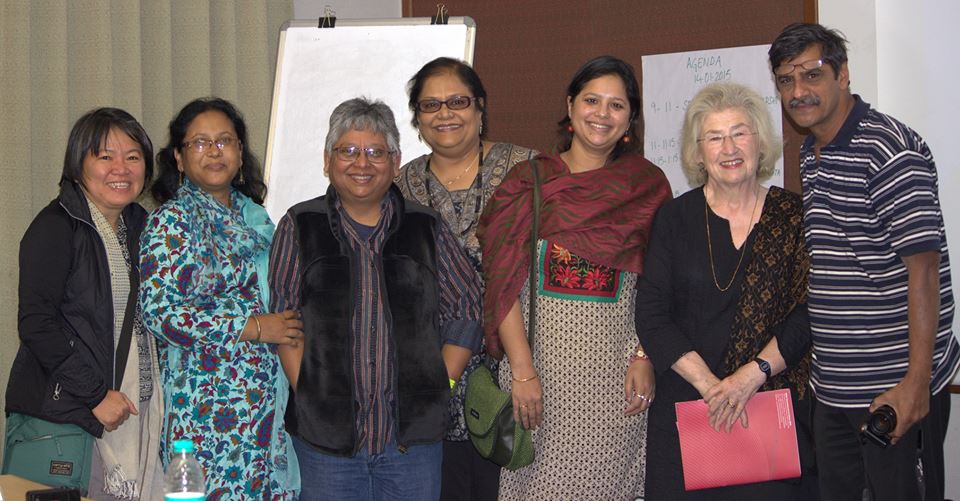
It was certainly a pleasure to be surrounded by participants who represented different countries, cultures, regions, states and, consequently, concerns. With a total of 25 people, the participants came from India, Bangladesh, Sri Lanka and Thailand. In the seven days that I shared the classroom and living space with them, I got to learn so much about the issues each one of them was working on and how one could draw linkages between seemingly diverse topics. In some way or the other, each one of us were either working on or deeply interested in sexuality, gender and rights. And every session led to discussions that brought in multiple perspectives and responses, making the discussion even more complex and insightful. The Institute also involved screening of some extremely well-made films and documentaries and frequent group discussions and activities. I returned with several of my assumptions shaken and several more of my ideologies strengthened.
* The Sexuality Gender and Rights Institute (SGRI) is an annual learning workshop organized by CREA, a not-for-profit organisation based out of New Delhi that works with partners from a diverse range of human rights movements and networks to advance the rights of women and girls, and the sexual and reproductive freedoms of all people. The SGRI was earlier the SRI – The Sexuality and Rights Institute – jointly conceptualised and run by TARSHI and CREA.
