Social Media


Brushstrokes: #100DaysofLaundry
But what about the “moments we don’t Instagram”? What about the uglier parts of our physical lived realities? What about the parts of our body, our identities, our sexuality we don’t perform on social media, but are still an intrinsic part of who we are?
By Curated Content
September 4, 2018
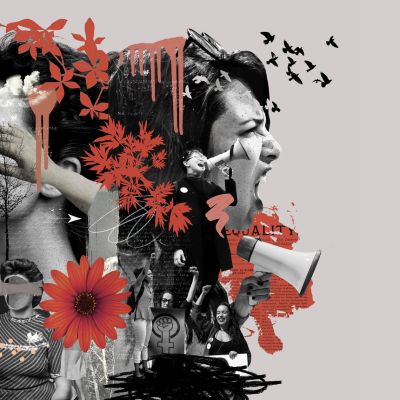
How #MeToo Revealed the Central Rift Within Feminism Today
In the media and in private life, conversations about consent, hostile environments and power began, and there was a growing acknowledgment that a man’s unwanted sexual overtures were a symptom of broader social and political forces.
By Curated Content

Ctr Alt Swipe Right: Sex, Sexuality and the Internet in India
The promises of the Internet are, of course, highly contextual. The Internet will mean very different things to a person who has access to their own mobile phone in a city with a reliable and affordable broadband or WiFi connection, as compared to someone who does not have access to a reliable Internet connection or who is unable to go to a shop to exchange downloaded songs and clips through an SD card.
By Siddharth Narrain
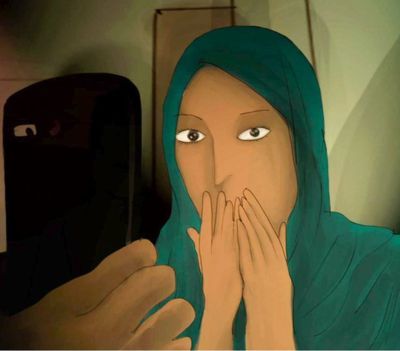
Sex, Honour, Shame and Blackmail in an Online World
Thousands of young women in conservative societies across North Africa, the Middle East, and South Asia are being shamed or blackmailed with private and sometimes sexually explicit images. A look at how smartphones and social media are colliding head-on with traditional notions of honour and shame.
By Curated Content
January 16, 2017

Review: What Does Clothing Have to do with Sexuality in the Media?
There’s always another way of presenting a look, attire, accessories and bodies; of presenting the way we feel about ourselves and our sexuality, of presenting an acceptance of diversity.
By Shikha Aleya

How the popular media fails representation of women
Being a journalism student once, and having a network of seniors and batch mates who came from a journalism background,…
By Anshul Tewari
October 15, 2014
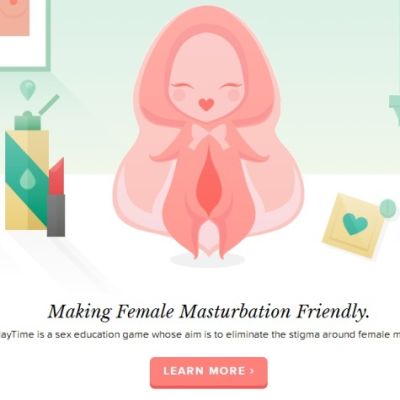
Never Mind The Nipples: Sex, Gender and Social Media
Five snippets from three months. In August, Indian actress Poonam Pandey dons a bikini for the ALS Ice Bucket Challenge…
By Bishakha Datta
October 1, 2014
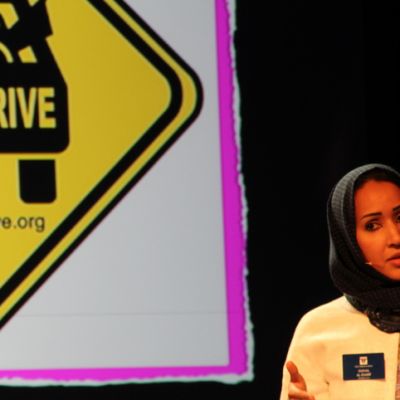
Social Media
By: Women’s Rights Campaigning Info-Activism Toolkit People are more likely to trust – and act on – messages from people they…
By Curated Content
July 15, 2014
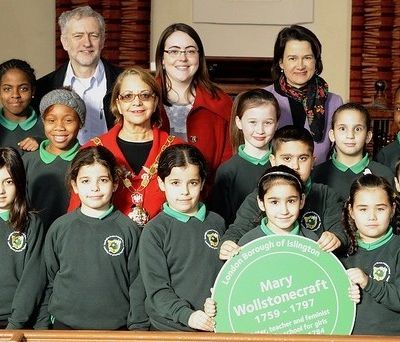
Teenage feminism – coming to a blog near you
By: Chelsea Birkby at The F-Word. Chelsea Birkby welcomes the spread of the feminist movement online with open arms for changing young women’s…
By Curated Content
March 15, 2014