SISA spaces


Hot Girls Wanted – Keeping up with the times
The film Hot Girls Wanted followed the journey of five young women aged 18-25 years as they joined the pornography industry and also looked more broadly at at women in this age group and their motivation to join.
By ElsaMarie D'Silva
January 3, 2022
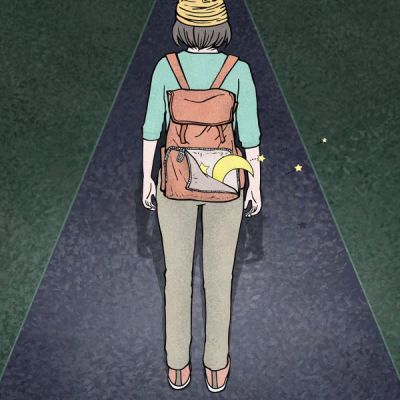
Between Fear and Freedom
We are led to question what ‘safety’ really is: Will it be guaranteed by going gently, if at all, into that good night? Is it at all possible to freely and safely explore who we are and the world in which we live?
By Anjali
January 3, 2022
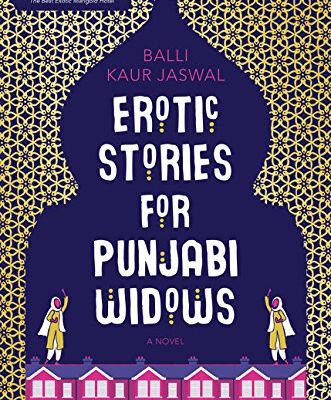
Book Review: Erotic Stories for Punjabi Widows
The story is so well told and is written with such a light, deft hand that it is almost easy to miss what makes it so quietly radical. To review it within the scope of exploring the coming together of literature and sexuality we must begin with its central cast of characters – the widows.
By Sheena D'Lima
January 3, 2022

Navigating love, loneliness and singlehood
The desire for intimacy might rob one of the intimacy that one shares with oneself and thus, being with the beloved can leave one feeling even lonelier because of the continuing struggle for validation and comfort.
By Anonymous
January 3, 2022

Editorial – Play and Sexuality
Coupled with the tendency to approach sexuality with seriousness, play often remains absent in discussions of sexuality. Sexuality shares the elements of fun, pleasure and spontaneity that are found in play.
By TARSHI
December 15, 2021

Acting Like Myself
In this month’s issue of Play and Sexuality, Wesley D’Souza recounts the time his school put up a production of The Pied Piper of Hamelin, his preparations for its audition, and how the process was intertwined with an exploration and acceptance of his sexuality.
By Wesley D'Souza
December 15, 2021
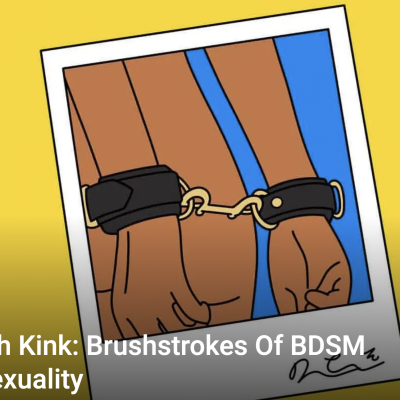
Tryst With Kink: Brushstrokes Of BDSM On My Sexuality
The responsibilities attached to BDSM are frankly the same as that for any other sex act. But since the submissive partner(s) are placing themselves at a position of vulnerability, these responsibilities mark the difference between sex and abuse. Have fun, but responsibly.
By Feminism in India
December 15, 2021
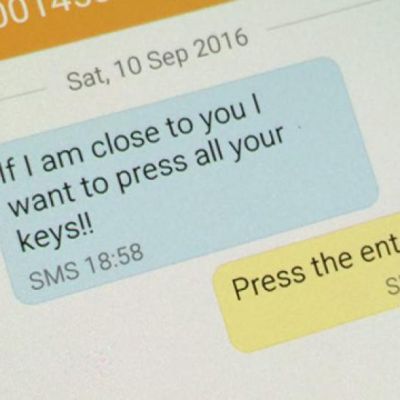
Public. Autonomous. Anonymous. Group. Sexting. At AWID 2016. Oh yeah!
Sexting is ALL about consent. Consent to RECEIVE a sext, consent to portray yourself in one. Keep this in mind, because one of the reasons sexting receives such a bad rap is because of what might happen after – dissemination of intimate images and content WITHOUT CONSENT.
By Curated Content
December 15, 2021

The Birds and the Bees: On Play and Sexuality
How would we see the world really, if we were open to the idea that it is not purpose but play that drives us to seek companionship, be it an orchid seeking a pollinator or a human seeking another?
By Shweta Krishnan
December 1, 2021

Interview – Manak Matiyani
As we grow older, moral codes, conventions of appropriateness and shame, and the utilitarian and income-focused education we get make us lose that stability. The idea of play to me is about bringing back that ability and comfort into the lives of people so that they can actually play.
By Shikha Aleya
December 1, 2021

Of “unapologetically flawed” women and feminism-lite: A review of Four More Shots Please!
Four More Shots Please! moves in the right direction when it comes to women (of a particular social stratum), their lives, and feminism at large – even if it takes small, stumbling, baby steps towards it.
By Srishti Gupta
It’s not ‘just’ play!
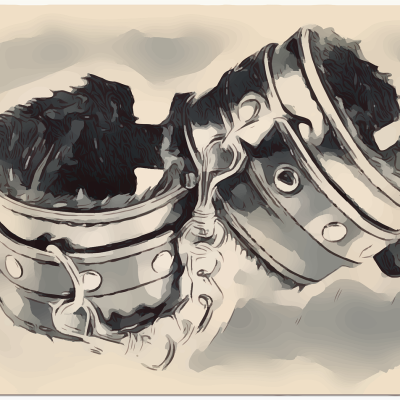
Play is not only about cocks, balls, vaginas, paddles, or anything that happens between two consenting adults in the bedroom. It’s also about what goes on in a masochist’s mind before they submit to a cane, or a whip, and before they orgasm from the pain.
By Asmi
December 1, 2021

I will meet you post quarantine
A kiss for the side of your neck One for the last of your back For a year that we…
By Aishwarya Shrivastav
December 1, 2021

Mission Orgasm
This Parodevi Pictures’ production from Agents of Ishq is a kaleidoscopic must-watch that takes us into the poorly understood ‘galaxy’ of female orgasm and sexual pleasure through a mobile-phone game – A Little Death – that helps people navigate this terrain unfamiliar to many in an exciting and accessible way.
By Curated Content
December 1, 2021
Graphic Story: The First Move
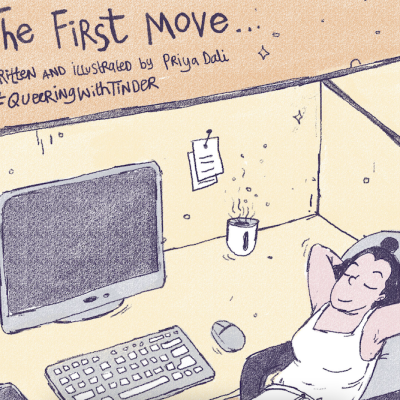
This short and cute graphic story by Priya Dali, published by Gaysi in collaboration with Tinder, captures the playful initial stages of online dating as Maya tries to make the first move on Rae with the help of colleagues.
By Curated Content
December 1, 2021