Sexuality


Editorial – Connections and Sexuality
Questions, questions and inevitably more questions! That seems to be the human condition when it comes to connections, especially our connections with other people. It’s complicated, right?
By TARSHI
November 15, 2022
Issue in focus
Companions take many forms. Using the word very loosely here, a companion is anyone the self is connected to, anywhere, at any point in time, from a family member, to a stranger on a train.
By Shikha Aleya
November 15, 2022

Interview – Prakash
“I feel that connection is the survival language of the LGBTQIA+ community. The sense of a common struggle makes way for developing quick yet lasting connections among the community…”
By Shikha Aleya
November 15, 2022
Queer Spatiality Facilitates Queer Connections: The Pandemic Took It Away
The space where we get an education and form our ideas about the world, and especially about people who are not like us (read: minorities) holds importance, especially for me as a queer Bahujan person.
By Rajeev Anand Kushwah
Building Safe Spaces In Threatening Places
If sharing was a proverbial coin at the rehabilitation facility, connections were one side of it, and sexuality was the other. Men and women were not allowed to touch one another – no handshakes or hugs or an eager slap on the back.
By Trijita
November 15, 2022
Walks, Braids, Miranda, and Memories
This was the time we were growing up, learning new things, reading new books and discovering something new almost every day, and this all-women space provided an opportunity to do that without requiring any pretence or catering to the male gaze.
By Ambica Naithani
November 15, 2022
The many hues of connections
Connection, to my mind, is one of those profoundly entrenched concepts manifesting itself throughout our lives. It is difficult to let go of.
By Adsa Fatima
October 17, 2022

Happily Ever After: Review of Good Luck to You, Leo Grande
This film reminds us of the power of connections in finding pleasure, joy, confidence and healing.
By ElsaMarie D'Silva
October 17, 2022

So what if I’m my own voyeur? — Connections and Disconnections with Desire(s)
Funnily enough, porn played a massive role in helping me articulate my queerness (I am pansexual) and my even queerer desires.
By Ankita Dhar Karmakar
Where do we begin?
The connection between mental and emotional wellbeing and stigmatised identities is perhaps most easily understood and therefore a good entry…
By Shikha Aleya
September 19, 2022
When the Game is Set Against You, Why Play By The Rules?
“It is no measure of health to be well adjusted to a profoundly sick society.” — J. Krishnamurti Sexuality for…
By Simran Kewlani and Vasudha Ramani
September 19, 2022
The Chronicles of the Changing Room: Reclaiming the Cubicle of Doom
I pride myself on being a fast learner. Yet it took me an embarrassingly long time to realise that shopping,…
By Sanskriti Bhardwaj
September 19, 2022
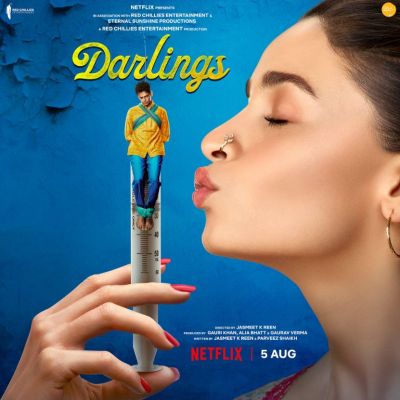
“Darlings”: Two Women, One Story
Darlings, a recent Netflix release featuring Alia Bhatt and Shefali Shah and their endearing performances, wins our hearts. In the…
By Anuja Das
September 19, 2022
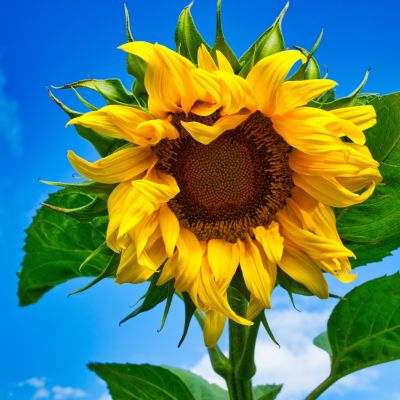
Sunflowers on a Frosty Morning
A few days ago, in a telephonic conversation with my mother, I was made aware of the inadequacies of my…
By Neel
September 19, 2022

Two Poems: ‘A room of one’s own’ & ‘Sunshine’
A room of one’s own You couldn’t begin to say the self Before someone helps you finish — Self-centred Self-serving…
By Carol D'Souza
September 19, 2022