Marriage

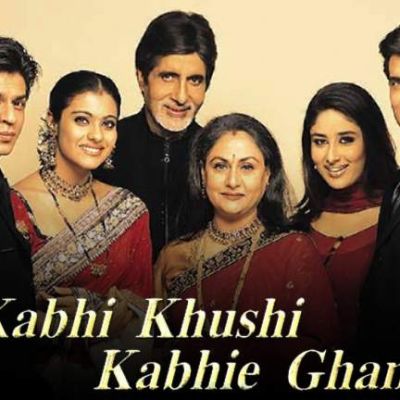
Kabhi Class Kabhie Gender: Watching K3G in a North American Anthropology Classroom
Watching K3G with my students brings forward new ways of understanding how concepts like socioeconomic class, gender, sexuality, and diasporic imaginaries are embedded with subtle messages of morality and longing and how these messages are ingrained in our Bollywood viewing experiences.
By Jessica Chandras
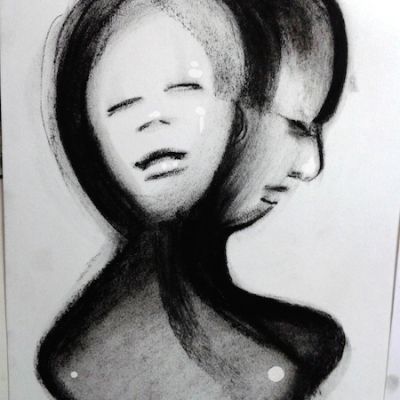
Issue In Focus: Baboochamuffins and Other Musings
Why are certain privileges only afforded to couples? Why can we not share them with others outside of a romantic or sexual paradigm? Why is intimacy seen as being the purview of lovers? In actual fact, we may often share a greater intimacy with our friends than we do with our lovers.
By Radhika Chandiramani

Interview: Ute Pauline Wiemer on Lovetreats and Sex
Ute Pauline Wiemer, along with her partner Balaji, founded Lovetreats in Bangalore in 2015. Lovetreats is an online retail space and discussion forum for people to buy intimate sexual wellness and health products as well as exchange ideas and learn about topics such as sexuality and intimacy.
By Anjora Sarangi
November 3, 2016

Interview – Coupledom is a mix of meanings
Coupledom may or may not be for everyone, and does not mean the same thing to everyone. Importantly, coupledom does not hold the same value or position in our lives, even in the lives of the individuals perceived to be parts of a couple structure.
By Shikha Aleya
February 15, 2022
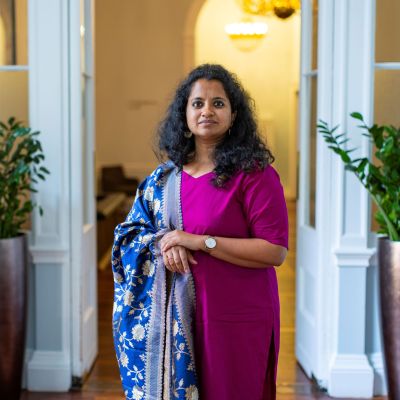
Interview – Reetika Revathy Subramanian
… climate change is not just environmental. It is social, political, economic, emotional. And it demands that we listen carefully to who is affected, how, and what they are already doing to survive.
By Shikha Aleya
August 19, 2025
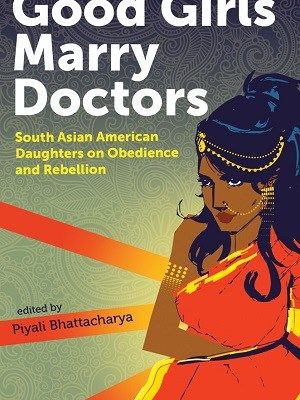
Good Girls Marry Doctors: Brave Voices On Daughterhood In South Asian American Families
To all the American daughters of South Asian immigrants: Have you ever felt that you just can’t be a Good Girl? Your parents and South Asian community have likely tried drilling in you that Good Girls follow the path of academic excellence, a well-paying job (doctor, lawyer, or engineer), marriage to a well-paid Desi man (preferably a doctor), and then a happy house with kids. Obedience to parents, no dating (at least not while a student), and virginity until marriage are absolutes.
By Curated Content
Friendships, or, That in which we decouple coupledom from the economies of marriage
I was not simply stuck within the binaries of “same-sex” or “opposite sex,” assuming that any reference to “same-sex” is in itself already revolutionary. But the call to recognise friendship, is a call to recognise so many forms of community that are made invisible by the emphasis within a liberal or conservative framework on “marriage” as the only path to family making.
By Shweta Krishnan
Friendships, or, That in which we decouple coupledom from the economies of marriage
I was not simply stuck within the binaries of “same-sex” or “opposite sex,” assuming that any reference to “same-sex” is in itself already revolutionary. But the call to recognise friendship, is a call to recognise so many forms of community that are made invisible by the emphasis within a liberal or conservative framework on “marriage” as the only path to family making.
By Shweta Krishnan

Freedom and sexuality: walking hand in hand with robots
Where we are now: In August this year the Supreme Court of India declared that privacy at its core includes…
By Suchitra Dalvie
December 4, 2017
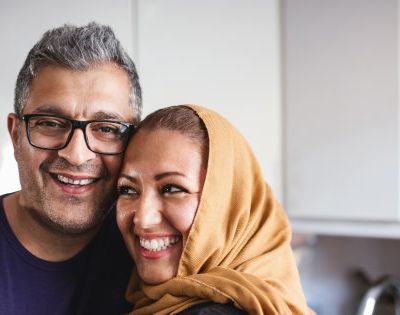
Four Indian Hindu-Muslim Couples Across Four Generations Tell Us How Love Is A Fight They Didn’t Give Up On
We spoke to four Hindu-Muslim couples from four generations to learn how to keep love afloat in this climate of naked hatred.
By Curated Content
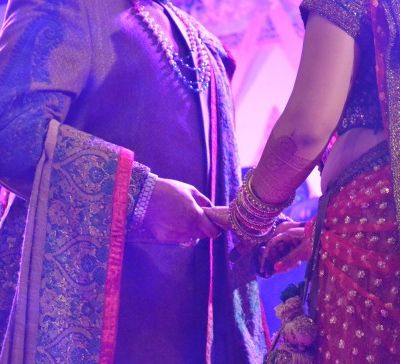
Feminism, Marriage, and the Dilemma
Before I was introduced to theatre and the arts in the 11th standard, the future I saw for myself was…
By Jyotsna Khatry
November 15, 2015

Equality of Sex In a Relationship
“At the same time, eroticism in the home requires active engagement and willful intent. It is an ongoing resistance to…
By Sonal Sood
April 1, 2015

Editorial: Vulnerability and Sexuality
Vulnerability – is it a condition we find ourselves in? A state of being we choose? Let’s keep it very simple: it depends on the approach we take to defining it. In the former approach, we are ‘done to’, while in the latter we are consciously ‘doing’.
By TARSHI
April 19, 2021
Editorial: Singlehood and Sexuality
In this issue of In Plainspeak our contributors reflect on and reveal the myriad facets of being single – is it a choice? A condition? A state of being? Lonely? Joyful? Not one or the other, but a glorious mix?
By TARSHI
February 15, 2021
Editorial: Risk and Sexuality
In our mid-month issue, we add context to our perceptions of and dealings with risk in our day-to-day lives. Collating and interpreting responses we received on a survey taken by small group of random individuals, Shikha Aleya looks at the transactions around risk foregrounded on the interplay of our location on the axes of gender and sexual identity, disability status, belief systems, and availability of support, amongst others.
By TARSHI
October 15, 2020