LGBTQIA


Musings of a Sexuality Educator
To be a support system is to be a safe space for them where they can reflect upon, experiment with and understand themselves. A space where people not only come to terms with their individual selves, sexual or otherwise, but also where they become increasingly aware of their own rights.
By Anannya Chatterjee
November 2, 2020
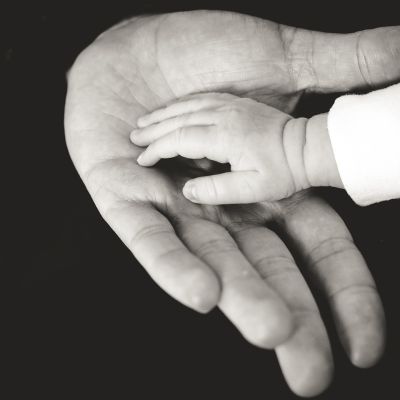
The importance of family
Family, immediate and extended, is usually who you turn to. They are the ones who provide stress relief and reduce anxiety by boosting self-confidence and self-esteem and providing a protective shield. There is a sense of belongingness in good times and in bad.
By ElsaMarie D'Silva
November 2, 2020
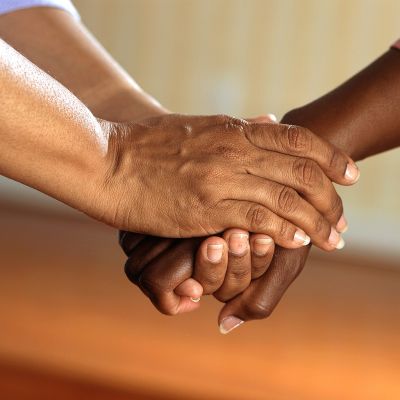
How much support is enough?
In the middle of this pandemic, can one seek sexual support in the form of a hook up with one’s best friend, ‘just because’? Is it redefining boundaries, is it sympathy sex, is it simple indulgence, or is it something that one or both might later resent?
By Asmi
November 2, 2020
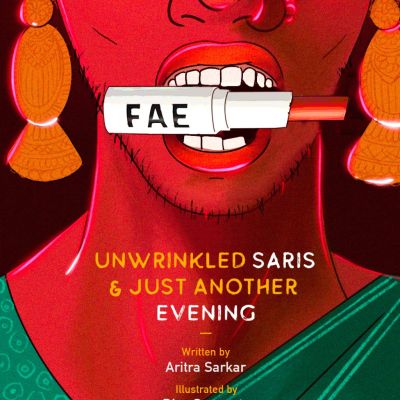
Brushstrokes: Fiction Comic: Unwrinkled Saris And Just Another Evening
In a society ruled by heteronormative patriarchal structures, expressing one’s gender or sexuality outside the trimmings of what is socially acceptable is an act of resistance.
By Curated Content
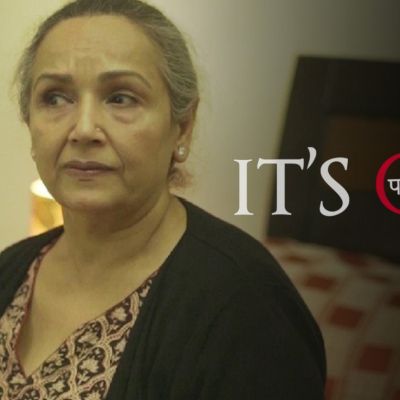
Video: It’s OK Pammi!
The film begins with the mother’s dilemma around her daughter’s refusal to be ‘normal’ and marry a ‘decent boy’. As the story unfolds, we see the mother invite a ‘suitable boy’ for dinner on the same evening as the daughter’s partner is coming home to meet the family.
By Curated Content
November 2, 2020
Editorial: Risk and Sexuality
In our mid-month issue, we add context to our perceptions of and dealings with risk in our day-to-day lives. Collating and interpreting responses we received on a survey taken by small group of random individuals, Shikha Aleya looks at the transactions around risk foregrounded on the interplay of our location on the axes of gender and sexual identity, disability status, belief systems, and availability of support, amongst others.
By TARSHI
October 15, 2020

The Risks and Gains of Coming In
I had risked so much already, not just by loving another woman, but by acting on my desires. By allowing myself to feel intimacy and connection with another queer person. Despite feeling guilt and shame, this risk had become increasingly vital to take.
By Sweta
October 15, 2020

Marriage as Risk
So, what are the risks in a marriage? Well, the first and the most obvious one is that you don’t know if the partner you’ve chosen or has been chosen for you will make you happy. In the Indian context, even if they do make you happy, the family might not be too thrilled about the match.
By Sadaf Vidha
October 5, 2020

CATAMITE
On the other hand, in Abhay’s newly discovered wonderland, everything seemed to be awfully right. Soon, he began receiving proposals for sex-dates. Initially such proposals shocked him; for it took him a few months to get used to the fact that sex with men was only a click away.
By Kaustav Bakshi
October 5, 2020

The Last Local To Vashi
I gave myself the freedom to choose. And I chose to re-examine my assumptions. Maybe it was possible to ask strange men for directions without being afraid of seeming vulnerable. Maybe I could plan my outfit without bothering about the fact that I would be travelling on public transport.
By Tanvi Khemani
October 5, 2020
Editorial: Law and Sexuality
In our mid-month issue, Stuti Tripathi considers whether raising the minimum age of marriage for women from 18 to 21years is indeed a one-stop solution to check early marriages. She brings to our attention the many factors, such as family pressure, inaccessible educational and financial resources, traditionally defined roles of women, and gender-based marginalisation that together lead to early marriages and argues that young people need rights not protection.
By TARSHI
September 15, 2020

The Case For Platonic Relationships: Rethinking The Rules In Law And Society
The social value of the platonic relationship needs to be restated: Too many boys today grow up with the idea that their relations with women (who are not their mothers and/or sisters) are confined to an oversexualised romantic bubble.
By Curated Content
September 15, 2020
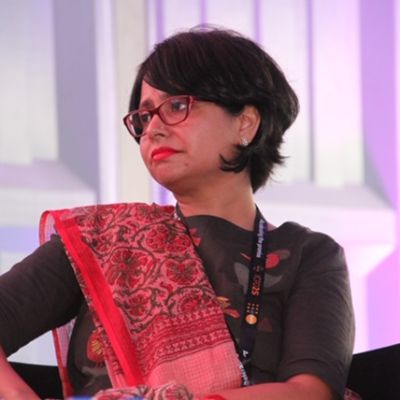
Interview – Amba Salelkar
But not every issue of discrimination and conflict can go to a court.Say for example, affording privacy to a young adult with disability to understand their body and sexual responses, or enabling them to access accessible sex toys or assistive devices related to sexual pleasure.
By Shikha Aleya
September 1, 2020

Canon Law and Queer Believers
I am going to share a personal queer reading to help put forth what I mean. One day, while I was reading the gospel of John for my family, the final words of Jesus, made me wonder whether Jesus could have been gay.
By Roshan Roy
September 1, 2020

Title: Movie Review: Seeing Allred – The fight for equality goes on
Allred’s story is important because it shows us how an individual used her knowledge, power, and position to challenge the legal system in demanding rights and equality, especially for women and LGBTQ+ people.
By ElsaMarie D'Silva
September 1, 2020