LGBTQIA

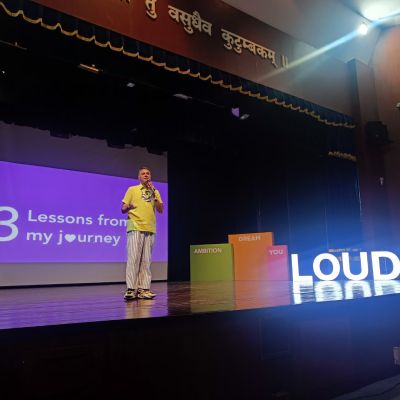
Interview – Parmesh Shahani
The larger question is, who gets to bring all of themselves to the workplace, and who is either not allowed, or feels scared, or is bullied for doing so?
By Shikha Aleya
September 18, 2024
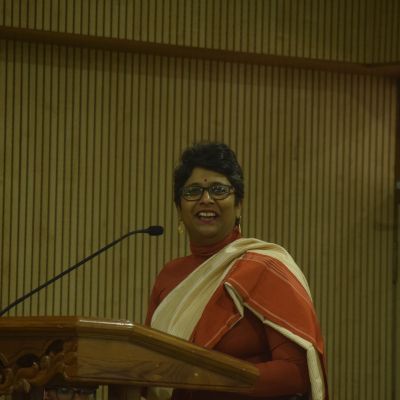
Interview – Dr. Ketaki Chowkhani
I feel that parents, teachers and CSE can make room for these disparate realities of adolescents by first acknowledging the limits of formal sexuality education, that the curriculum imparted formally fails in providing the kind of learning that happens through other sources.
By Shikha Aleya
December 18, 2024
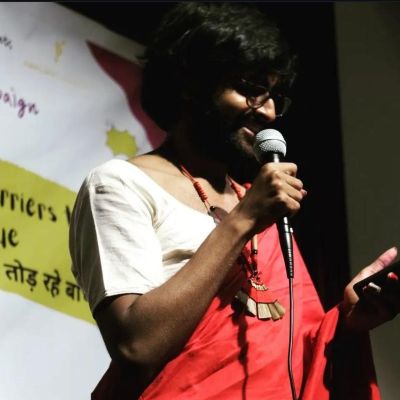
Interview – Chand
Safe spaces in the way that they often circulate are depoliticised and the assumption is that there won’t be any conflicts, but there can be no safe space without an exchange of ideas, which will create some bad feelings leading to conflict.
By Akshita Singh and Pragya Solanki
November 19, 2024
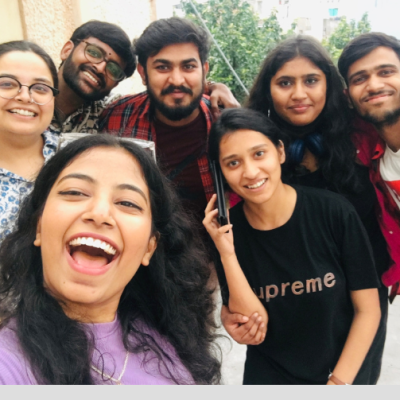
In Between Deadlines and Debriefs: On Friendships at Work
In those moments of doubt, when we wonder whether we can really make a difference in the world, it is often our work friends who remind us why we began.
By Nandhini Jaishankar
November 17, 2025

In Appreciation of Singlehood
Growing up, for me, has been about accepting that the loneliness and sadness woven into the fabric of my being do not go away with entering conventional arrangements like monogamous relationships or marriage.
By Siddhi Pandey
February 1, 2021

If Mountains Can Move …
Language itself is being plugged as a resource, to be shared with those who share similar politics, or if not, at least to move them along in that direction. And people who speak, think, love and live differently are targeted as “the other”.
By Nandini Rao
June 17, 2025

I will meet you post quarantine
A kiss for the side of your neck One for the last of your back For a year that we…
By Aishwarya Shrivastav
December 1, 2021
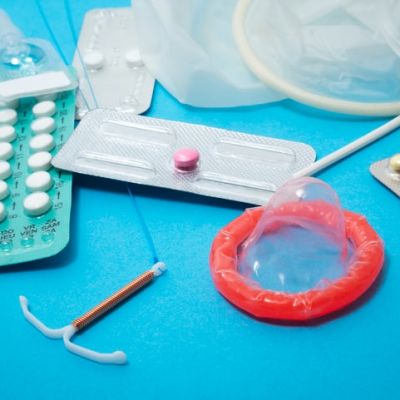
I May Have Called You Baby But It Doesn’t Mean I Want One!
Some nights I worry that if birth control for men is indeed released, clinical trials of which were suspended in 2016 as its side effects, incidentally the same as what women have been dealing with for ages, were just not worth it, it would be named Fuckboi.
By Anjali
August 14, 2020
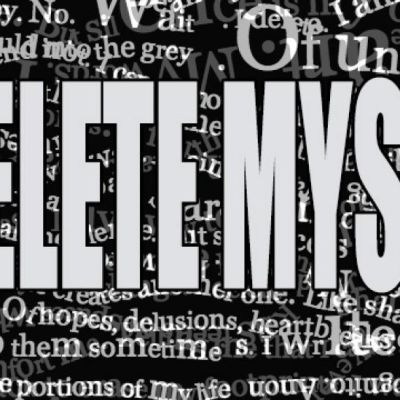
I DELETE MYSELF: ANONYMITY AND SEXUALITY ONLINE
Cyberspace has given the queer woman a chance to problematize the existing gender and sexual identities which, like any identity, is not static. It allows her to create and occupy spaces which will give her freedom and power in a way that the misogynistic physical world cannot provide.
By Curated Content
August 14, 2020

March 17, 2026
How would it be if we grew up embracing sexuality?
Growing up is a tedious task in our society because of the institutionalised practices, societal constructs and boxed identities and expressions that we are expected to adhere to. Anything beyond these implies harm, danger, and deviance.
By Sreejani
January 16, 2026
How much support is enough?
In the middle of this pandemic, can one seek sexual support in the form of a hook up with one’s best friend, ‘just because’? Is it redefining boundaries, is it sympathy sex, is it simple indulgence, or is it something that one or both might later resent?
By Asmi
November 2, 2020

How Masculine Am I?
I have dealt with having a non-masculine body since the time I was a teenager. I have questioned my sexuality and how it interacted with my non-masculine body.
By Asim Mudgal
May 19, 2025
HOW I LEARNED THAT I DESERVE TO LOVE MYSELF
“I feel comfortable with who I am,” he responded. “I’m at ease with myself. I don’t wake up and hate myself. I can’t tell you how amazing that feels.”
“I know how that feels,” I told him.
By Guest Writer
January 4, 2021
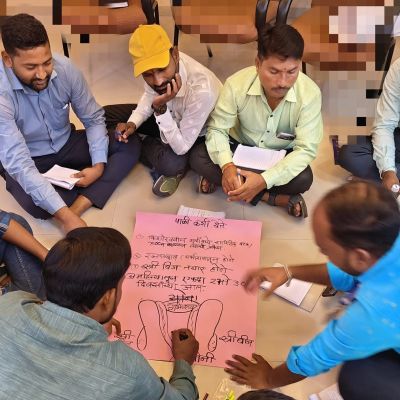
From Compliance to Critique: Localising Masculinity Work Through Feminist Praxis
…we must also address men’s relationships with their spouses, other men, women and children in the community, and importantly, their own emotional selves to transform fatherhood. Therefore, engaging with men as fathers must involve a holistic understanding of their socialisation, emotional world, and position within patriarchal structures.
By Anand Pawar