Desire

Friendships, or, That in which we decouple coupledom from the economies of marriage
I was not simply stuck within the binaries of “same-sex” or “opposite sex,” assuming that any reference to “same-sex” is in itself already revolutionary. But the call to recognise friendship, is a call to recognise so many forms of community that are made invisible by the emphasis within a liberal or conservative framework on “marriage” as the only path to family making.
By Shweta Krishnan

Friends of Paper, Friends of Flesh
That’s what books do, they open up the world to new possibilities, let you live a life bigger than your own.
By Ambica Naithani
November 17, 2025
Following Aladdin’s Genie
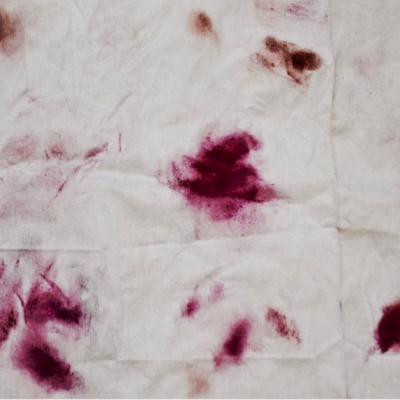
It is this camaraderie with sexualness that made my mother uncomfortable about my comfort with lipsticks. Stains become metonyms for the woman herself, and her sexuality. It is possible that this stain might stay on someone’s mind as they encounter a stained cup. It is possible that even if they never have seen the person, they would now be compelled to imagine them.
By Muskan Nagpal
August 1, 2019
Following Aladdin’s Genie
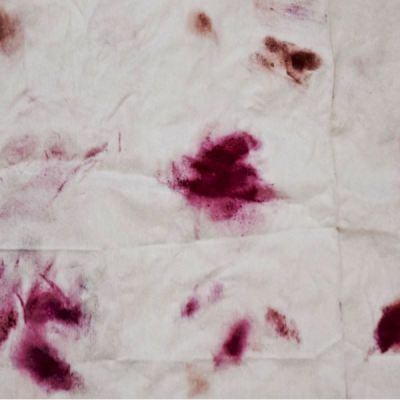
The lip colour then enters into a rather queer state of existence as it refuses to stand by the label it is expected to conform to. It moves and escapes categorisation. In its queerness, it renders itself as a paradox. At the heart of paradoxes is the understanding that something is what it is also not. Similarly, the colour of this lipstick is nude, but it is also not. It is possible that it is because of this slippery nature of the paradox that my sexuality as my identity too remains slippery, in motion and fluid.
By Muskan Nagpal
June 15, 2021

Find Yourself – A Triptych
As we grow and experience intimate relationships, pleasure becomes taboo or is only okay as a performance for another person, rather than our right as human beings.
By Suryaa Rajan
November 19, 2024

Exploring the Rape Fantasy
I am a feminist, sex-positive and LGBT affirmative Clinical Psychologist. Having that openly and publicly stated means that my clients feel very safe discussing some of the more taboo topics, especially ones that we are made to feel ashamed of. One of these is the topic of the rape fantasy.
By Vizla Kumaresan
August 1, 2018
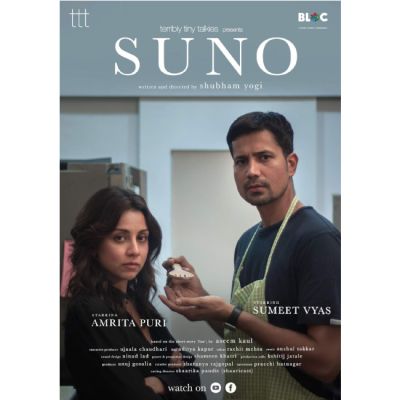
Exploring Consent Through The Film SUNO
There may be situations in which a person’s responses might not be unquestionably equated with consent. Is consent merely a ‘yes’ or does one need to look for other cues to make sure their partner wants the same thing as them when it comes to intimacy?
By Aratrika Datta
March 17, 2025
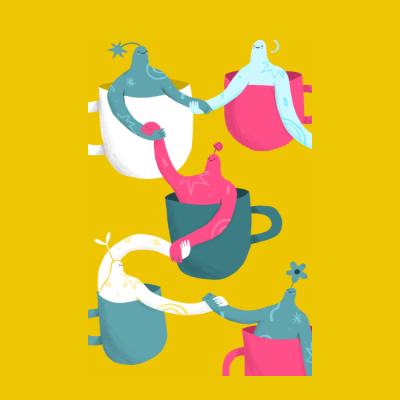
Editorial– Friendship and Sexuality
Friendship – a place where we can be ourselves as we truly are, with no artifice. A place of peace,…
By TARSHI
November 17, 2025

Editorial– CSE and Affirming Ecosystems
CSE’s ‘natural habitat’ is often considered to be the classroom, but as our contributors show us, CSE also lives, breathes and thrives in habitats as disparate as neighbourhood parks, jobs-training centres, playgrounds and sports fields, law schools, family discussions, and digital spaces.
By TARSHI
December 16, 2025
Editorial: Singlehood and Sexuality
In this issue of In Plainspeak our contributors reflect on and reveal the myriad facets of being single – is it a choice? A condition? A state of being? Lonely? Joyful? Not one or the other, but a glorious mix?
By TARSHI
February 15, 2021
Editorial: Sexuality and Self-care
Continuing with our theme of self-care being about sustaining ourselves, our work, our movements, keeping the fires lit, and relating with love to ourselves, in our mid-month issue we bring you more articles looking at self-care from different perspectives – individual, queer, activist, collective, organisational, not necessarily separated, or in this order, of course.
By TARSHI
July 19, 2021

Editorial: Sex and Sexuality
Prisms cause rainbow effects because they refract light into its constituent colours. What this means is that the prism itself does not create the colours we see, but that they are already present in what appears to be colourless or ‘white’ light.
By TARSHI
November 15, 2018
Editorial: Representation and Sexuality
We are, all of us, trying to hold steady, and to hold space for each other and for ourselves. And so, instead of trying to put together a collection of ‘all new’ articles, this time we are republishing some ‘ever fresh’ ones on the theme of Sexuality and Representation.
By TARSHI
June 15, 2021
Editorial: Femininities and Sexuality
Are certain forms of femininities denigrated more than others? Not just by misogynists but also by feminists? Is there a particular way of manifesting an ‘appropriate’ femininity, one that is just right, and is not ‘too girly’ or ‘too tomboyish’?
By TARSHI
December 15, 2020