consent


Exploring the Rape Fantasy
I am a feminist, sex-positive and LGBT affirmative Clinical Psychologist. Having that openly and publicly stated means that my clients feel very safe discussing some of the more taboo topics, especially ones that we are made to feel ashamed of. One of these is the topic of the rape fantasy.
By Vizla Kumaresan
August 1, 2018

Editorial– CSE and Affirming Ecosystems
CSE’s ‘natural habitat’ is often considered to be the classroom, but as our contributors show us, CSE also lives, breathes and thrives in habitats as disparate as neighbourhood parks, jobs-training centres, playgrounds and sports fields, law schools, family discussions, and digital spaces.
By TARSHI
December 16, 2025
Editorial: Singlehood and Sexuality
In this issue of In Plainspeak our contributors reflect on and reveal the myriad facets of being single – is it a choice? A condition? A state of being? Lonely? Joyful? Not one or the other, but a glorious mix?
By TARSHI
February 15, 2021
Editorial: Sexuality and Self-care
Continuing with our theme of self-care being about sustaining ourselves, our work, our movements, keeping the fires lit, and relating with love to ourselves, in our mid-month issue we bring you more articles looking at self-care from different perspectives – individual, queer, activist, collective, organisational, not necessarily separated, or in this order, of course.
By TARSHI
July 19, 2021
Editorial: Representation and Sexuality
We are, all of us, trying to hold steady, and to hold space for each other and for ourselves. And so, instead of trying to put together a collection of ‘all new’ articles, this time we are republishing some ‘ever fresh’ ones on the theme of Sexuality and Representation.
By TARSHI
June 15, 2021
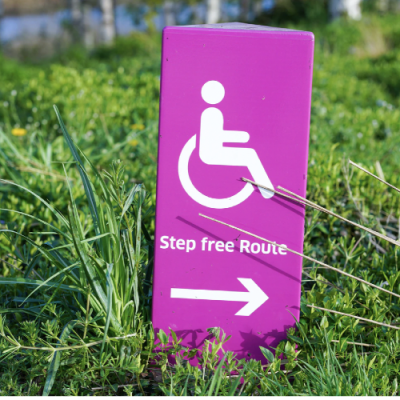
Editorial: Disability and Sexuality
Both sexuality and disability are complex terrains, offering a realm of possibilities that are often made unnecessarily complicated and unattainable by the mental maps we draw of them and the artificial barriers we erect.
By TARSHI
August 16, 2021
Editorial: Data and Sexuality
While we are struggling with the vicissitudes brought on by the pandemic we are also forced to spend more time online, to look for resources in terms of health care or caregivers, to reach out to people and build a communities of care, to take a break, or to try and hook-up online for a while.
By TARSHI
May 15, 2021
Editorial: Choice and Sexuality
Choices are also influenced by our milieu, by socio-cultural norms, by the laws and strictures that operate to regulate what we may and may not do. Lest this makes it seem that we are mere puppets triggered by internal whimsy and simultaneously constrained by external forces, our contributors show that this is not so.
By TARSHI
March 18, 2019

Editorial: Ageing and Sexuality
Ageing is often associated with a loss, a lack of ability and strength. When combined with sexuality, in the popular imagination, fed especially by market forces, youth is to be lauded and ageing regarded as the impending horror that must be evaded for as long as possible.
By TARSHI
March 15, 2021
Editorial – Play and Sexuality
Coupled with the tendency to approach sexuality with seriousness, play often remains absent in discussions of sexuality. Sexuality shares the elements of fun, pleasure and spontaneity that are found in play.
By TARSHI
December 15, 2021
Editorial – Consent and Sexuality
Looking down upon the earth from many miles up in the sky, the divisions between land masses and water bodies…
By TARSHI
March 17, 2025
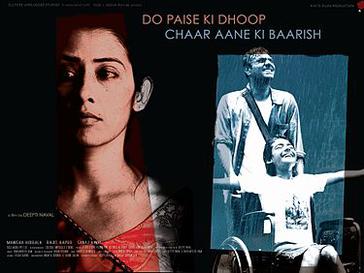
Do Paise Ki Dhoop, Chaar Aane Ki Baarish: A platonic togetherness
The movie was criticised for its stereotypical portrayal of Debu as a gay man. But, the beauty is that it also highlights the reversal of gender roles. The smiles, and the laughter sounding throughout the house, create a cheery note in the movie.
By Dr Swarupa N Kshirsagar
November 2, 2020
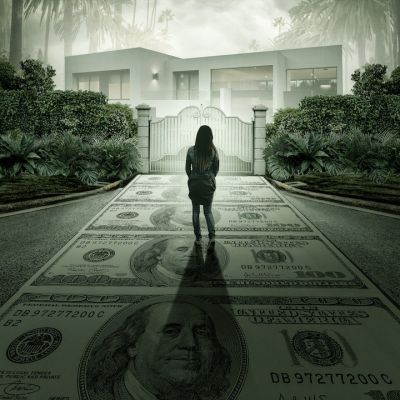
Dismantling a sex-trafficking pyramid
Every Friday my organisation Red Dot Foundation hosts a SafeCircle, an online space for listening and for sharing experiences of…
By ElsaMarie D'Silva
July 1, 2020
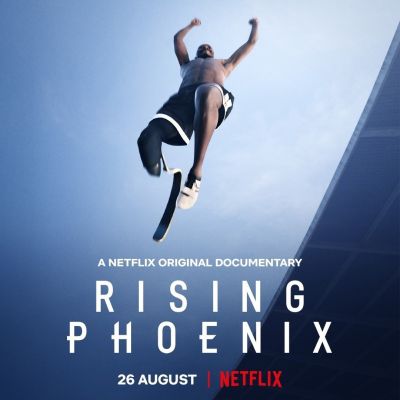
Despite all odds
In the spirit of the Games, I watched the Netflix film Rising Phoenix which documents the history of the Paralympics and its impact on the world in making visible the topic of disability. It also tracks the personal and professional journey of some of the top Paralympic athletes who share their challenges, frustrations and motivations.
By ElsaMarie D'Silva
August 2, 2021

Demystifying Sexuality for Every Learner
How to, not how much
By Khushi Kansal, Vijaya Venkatesh, and Dr Sangeeta Saksena
July 13, 2026