Voices

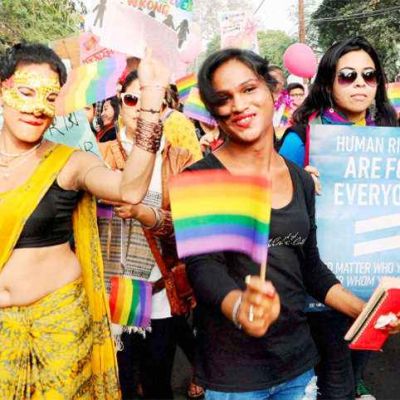
Can’t We Anticipate Stonewall?
If your one step – addressed to everyone irrespective of caste, class, gender, religion, and sexuality – is a giant leap for marginalised and oppressed people, Stonewall will not be far behind.
By Anupom Kumar Hazarika
July 2, 2018

Trigger Warnings and the Subversive Potential of Uncomfortable Conversations
Giving a trigger warning helps to somewhat flatten that hierarchy by making sure the audience is okay with the content. It can also shift power to the audience who may now decide what they would like to do with that information – to stay put and listen, or to walk out.
By Arpita Das

The Nuances of Power Equations in BDSM
Irrespective of the gender or sexual orientation of the people involved, the only way the scales of power can be balanced in favour of everyone involved, is through explicit, well-informed consent.
By Asmi
July 2, 2018

“You Will Never Learn!” – Conversations Between a 17 Year Old and a 53 Year Old
As if the challenges of parents bringing up adolescents in a world dominated by social media is not enough, the addition of teaching these parents to accept different sexual orientations and the fluidity of gender in a gender-binary world can be daunting.
By Dr Jai Ranjan Ram

Talk to Me – Queer Mental Healthcare
It was, however, the community’s consistent refrain of having “no one” to talk to, that made the problem of mental health crises stand out during my conversations.
By Vinay Chandran
June 1, 2018
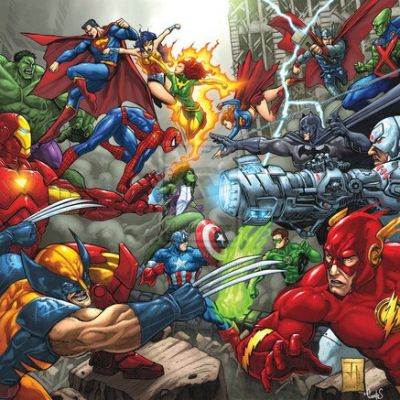
The Indian Beta
While we have come a long way from the singular Freudian focus on sexual energies and reducing most mental health disturbances to sexuality, there is no doubting its significance for an individual’s wellbeing.
By Mahesh Natarajan
June 1, 2018

What I learned about Self-Care and Wellbeing as a Sexuality Rights Activist
Working as a sexuality rights activist in a repressive environment can take a huge toll on people’s wellbeing. It is therefore important that we as social workers, activists, advocates and everyone else involved in this work take care, take care of ourselves and each other, be supportive, give that extra push to someone who needs it, and allow ourselves to make mistakes.
By Arpita Das
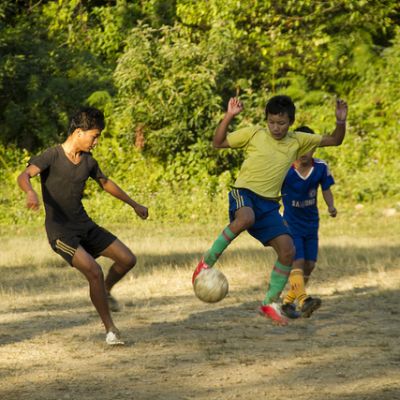
“HOMO” and Being Gay in Manipur
The Meitei queer’s tussle with sexuality continues to be a struggle jarred with discrimination, negation and moral policing through language.
By Davidson and Pavel
May 15, 2018
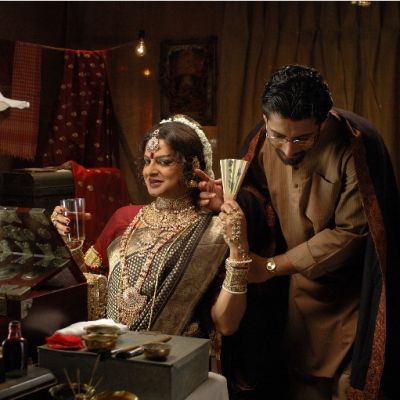
Brajabuli as a vehicle of queer desires: love songs in Rituparno Ghosh’s films
In my opinion, Ghosh was in search of a language of cinema which could be adequately expressive of queerness; he was slowly moving towards inventing that language, which would not be alienating to his conformist audiences, yet, would be intelligibly pleasurable to his (informed) queer viewers.
By Kaustav Bakshi

Reclaiming My Queerness: The Piecing-together of a Broken Childhood
As I reflect on what I had actively buried and tried to constantly forget, I realise how crucial language was in defining how I viewed myself.
By An kush

Two Poems: ‘Tongue’ & ‘Names’
You speak in so many tongues to me as you journey languorously down my body.
By Damini Kulkarni
May 1, 2018

The Sociolinguistics of Sexting
Typos are speed breakers, and autocorrect has kinky preferences
By Rajashree Gandhi
May 1, 2018

In the Name of the Mother….
A basic analysis of the most powerful swear words reveals that the vast majority are somehow related to sex (as in the act) or sexuality.
By Suchitra Dalvie
May 1, 2018

Twerkingly yours
While there have been many music videos objectifying women where they are shown to be given favours by men, it is amazing to note that even in a song where a woman is being refused the ‘gifts’ she seeks, the objectification of women persists.
By Almas Shamim
May 1, 2018
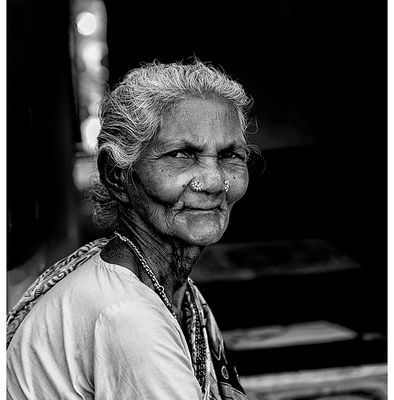
Sudha ji’s Love Story
Sudha ji’s indomitable spirit made me question if I was settling down for too little, if there was more that I should ask for, and if there is more that I deserve.
By Chandrabarna Saha
April 16, 2018