SRHR


Marriage as Risk
So, what are the risks in a marriage? Well, the first and the most obvious one is that you don’t know if the partner you’ve chosen or has been chosen for you will make you happy. In the Indian context, even if they do make you happy, the family might not be too thrilled about the match.
By Sadaf Vidha
October 5, 2020
Love, Lust and PDA
I extend my support and solidarity to people, across the spectrum of gender and sexuality, who want to break closed doors and walls to establish safe spaces where one can love freely, without inhibitions; people who seek to re-define love and intimacy in their own independent, non-patriarchal terms.
By Anannya Chatterjee
January 2, 2020
Issue in Focus: A Travelling Sexuality
There is a deep connect between travel and sexuality that is internalized at gut level. From birth perhaps. Across cultures. The two are almost metaphors for each other, twins, borrowing words from the lexicon of the other, entwining identity.
By Shikha Aleya
January 2, 2020
Is POCSO Failing Adolescent Sexuality?
Age of consent deems sexual activity with persons below the set age as statutory rape, which POCSO has set at 18 years. However, the law in practice faces some unintended consequences, in relation to who it prosecutes and their ages.
By Mrinalini and Udita
September 1, 2020

Is Digital Colonisation Redefining the Understanding of Agency, Bodily Autonomy, and Being Human?
Apart from systematic exclusions faced by individuals, evidently the mandatory use of a biometric-based digital ID has also reshaped the understanding of an individual’s agency and right to bodily autonomy. Gender and sexuality seem to no longer be matters of an individual’s right to privacy. With digitisation, disclosure of one’s gender and sexuality has become a hindrance to accessing one’s rights.
By Brindaalakshmi K
Invisible Women
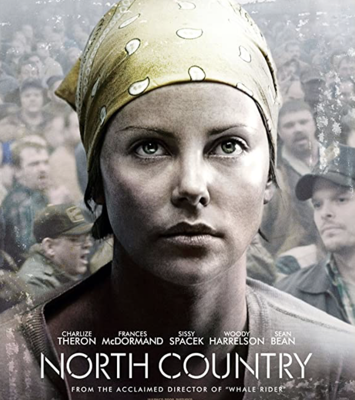
I recently watched North Country on Netflix, a movie based on a true story of a woman’s fight for equality at the workplace. It is based on the case, Jenson vs Eveleth Mines, in the United States in which Lois Jenson, fought for the right to work as a miner, and the right to work free of sexual harassment. She won the landmark 1984 lawsuit, which was the first class-action lawsuit on sexual harassment at the workplace in the United States and resulted in companies/organisations having to introduce sexual harassment policies at the workplace.
By ElsaMarie D'Silva
May 15, 2021
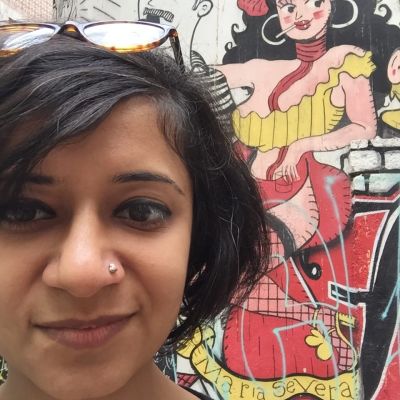
Interview: Shruti Arora
Shruti Arora is a feminist trainer and researcher in the field of Gender and Sexuality. In this interview, she shares her insights on collective practices of building safe and sexuality-affirming spaces for young people, in friendships and community, digital and healthcare settings.
By Shikha Aleya
April 1, 2020
Interview: Shruti Arora
There may already be another organisation in the community to share resources with but for community-led initiatives, a shared perspective on Safe, Inclusive, Sexuality-Affirming (SISA) spaces is also important. Sometimes when the shared perspective is not there, that becomes a challenge.
By Shikha Aleya
January 3, 2022
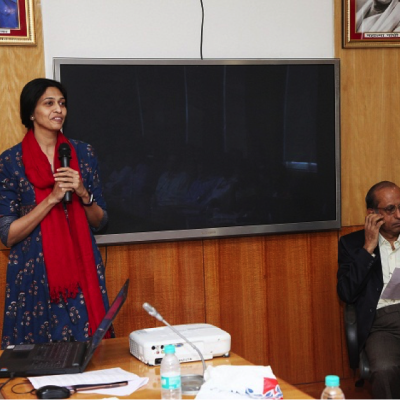
Interview: Sangeeta Rege
Sangeeta Rege is currently Coordinator /Director at CEHAT (Centre for Enquiry Into Health and Allied Themes). CEHAT undertakes research, action…
By Shikha Aleya
June 15, 2020
Interview: Marevic ‘Bing’ Parcon on Activism and the Development Agenda
Marevic Parcon or Bing, as she is known, is the Asia Programme Officer for the Women’s Global Network for Reproductive…
By Shweta Krishnan
September 15, 2015

Interview: Diversity and Sexuality
For the two-part interview section of this month’s In Plainspeak, Shikha Aleya spoke to a few individuals who continue to push the boundaries of their work, art, and social norms, and expand the understanding of diversity and sexuality.
By Shikha Aleya
May 1, 2019
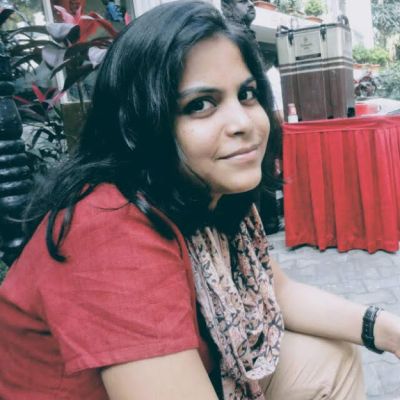
Interview: Adsa Fatima
Adsa Fatima is a feminist, trainer and resource person working with Sama Resource Group for Women and Health. In this interview, she shares her insights on issues of privacy, safety and inclusion in the context of reproductive health, sexuality and rights, and the family and social environment that influence individual choices and decisions
By Shikha Aleya
September 2, 2019
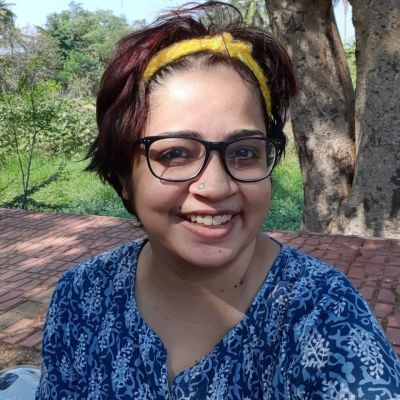
Interview – Srinidhi Raghavan
Disabled people might not have many spaces where they can speak openly about their sexual experiences or even sexual curiosity. There is a heavy monitoring of disabled young people especially, and this can mean that exploration, which is often how many of us discover sexuality, can be limited. Moreover, since the experiences of disabled people are not seen in popular media such as films, we can (and probably do) imagine we will have the same or similar experiences as non-disabled people – which is often not possible.
By Shikha Aleya
August 2, 2021
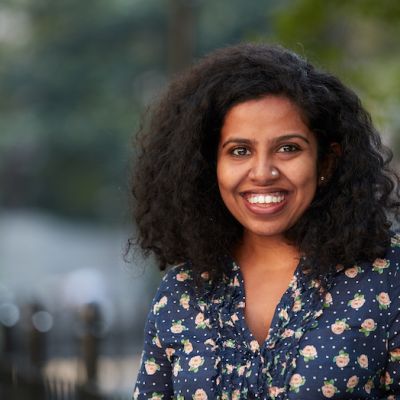
Interview – Jasmine George
Jasmine George is a TEDx speaker, lawyer, and a sexual and reproductive health advocate from India. She is the founder of Hidden Pockets and currently curates conversations around sexuality and other fields. She is passionate about using alternative means in law and technology to explore sexuality
By Shikha Aleya
December 2, 2019
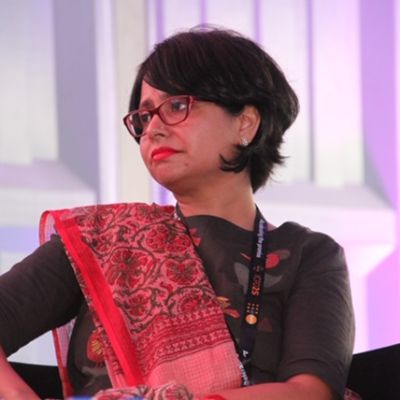
Interview – Amba Salelkar
But not every issue of discrimination and conflict can go to a court.Say for example, affording privacy to a young adult with disability to understand their body and sexual responses, or enabling them to access accessible sex toys or assistive devices related to sexual pleasure.
By Shikha Aleya
September 1, 2020