SISA spaces

Sexy Crip Desires
Many disabled people in India live with their parents and any expression of sexuality is suppressed as a rule within the confines of their homes. Sexual desires of persons with disabilities are seldom a priority issue for families or civil society. More is said through silence than words. Be grateful that you are alive. Isn’t that enough?
By Abhishek Anicca
February 4, 2023
Interview – Anjlee Agarwal
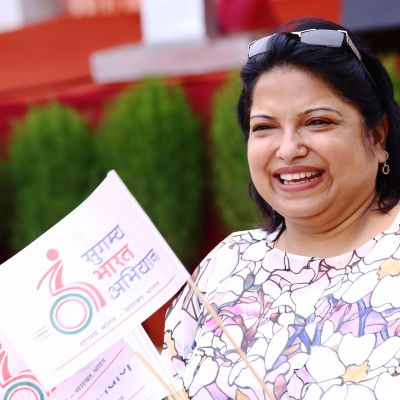
Self-care is influenced by the environment we inhabit, the way we relate to others, the way we negotiate with other living beings or structures. Self-care is also interlinked with other types of care – whether that is in community resources, psychosocial support, engagement with medical and health care institutions, and of course in collective agency and solidarity.
By Shikha Aleya
February 4, 2023

Editorial – Anthology Issue
Happy New Year! We have curated this anthology to remind you and ourselves of the gift and wonder of possibilities.
By TARSHI
January 3, 2023
Issue in Focus: The Heart of Being
To chase down our own vulnerabilities around sexuality is a short run around the corner, five minutes ago, last night sleeping alone, with a lover, a partner who lost interest, the Insta post that leaves you feeling you’re not good enough for the hug, the kiss, the cuddle and are you perhaps the A of LGBTQIA+?
By Shikha Aleya
January 3, 2023
Interview – Raj Mariwala
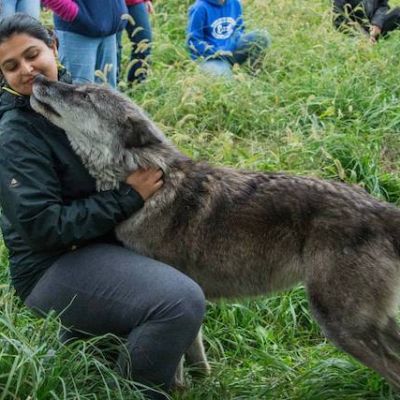
Self-care is influenced by the environment we inhabit, the way we relate to others, the way we negotiate with other living beings or structures. Self-care is also interlinked with other types of care – whether that is in community resources, psychosocial support, engagement with medical and health care institutions, and of course in collective agency and solidarity.
By Shikha Aleya
January 3, 2023

Acting Like Myself
Wesley D’Souza recounts the time his school put up a production of The Pied Piper of Hamelin, his preparations for its audition, and how the process was intertwined with an exploration and acceptance of his sexuality.
By Wesley D'Souza
January 3, 2023
Rewind 2022
Thanks for being part of our 2022, full of exciting activities and reflection on Sexual and Reproductive Health and Rights (SRHR) and wellbeing.
By TARSHI
January 3, 2023
साक्षात्कार – श्रीनिधि राघवन
ऐसी जगहों की बहुत कमी है जहां विकलांगता के साथ जी रहे लोग अपने यौनिक अनुभवों या यौनिक जिज्ञासा के बारे में खुलकर बात कर सकें। खास तौर पर विकलांगता के साथ जी रहे युवाओं पर हर वक़्त निगरानी रहती है जिसका मतलब है कि वे यौन अनुभवों से वंचित रह जाते हैं और अपनी यौनिकता को समझ नहीं पाते।
By Shikha Aleya
December 12, 2022

Editorial – Connections and Sexuality
Questions, questions and inevitably more questions! That seems to be the human condition when it comes to connections, especially our connections with other people. It’s complicated, right?
By TARSHI
November 15, 2022
Issue in focus
Companions take many forms. Using the word very loosely here, a companion is anyone the self is connected to, anywhere, at any point in time, from a family member, to a stranger on a train.
By Shikha Aleya
November 15, 2022
Interview – Prakash
“I feel that connection is the survival language of the LGBTQIA+ community. The sense of a common struggle makes way for developing quick yet lasting connections among the community…”
By Shikha Aleya
November 15, 2022
Building Safe Spaces In Threatening Places
If sharing was a proverbial coin at the rehabilitation facility, connections were one side of it, and sexuality was the other. Men and women were not allowed to touch one another – no handshakes or hugs or an eager slap on the back.
By Trijita
November 15, 2022

Walks, Braids, Miranda, and Memories
This was the time we were growing up, learning new things, reading new books and discovering something new almost every day, and this all-women space provided an opportunity to do that without requiring any pretence or catering to the male gaze.
By Ambica Naithani
November 15, 2022
The many hues of connections
Connection, to my mind, is one of those profoundly entrenched concepts manifesting itself throughout our lives. It is difficult to let go of.
By Adsa Fatima
October 17, 2022

Happily Ever After: Review of Good Luck to You, Leo Grande
This film reminds us of the power of connections in finding pleasure, joy, confidence and healing.
By ElsaMarie D'Silva
October 17, 2022