SISA spaces

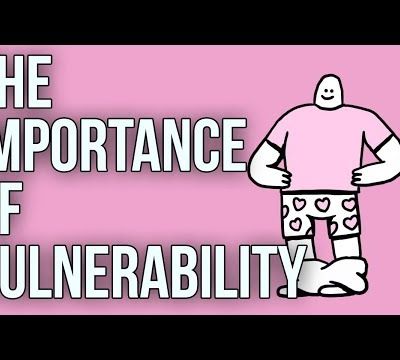
VIDEO PAGE: THE IMPORTANCE OF VULNERABILITY
In a way, the expression of vulnerability can be a foundation of trust and mutual support in a relationship, often leading to a sharing of burdens and the building of a deepened connection and solidarity.
By Curated Content
January 4, 2021
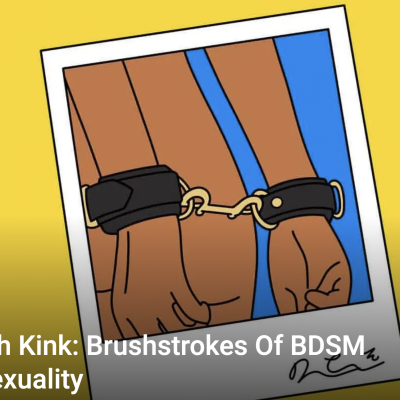
Tryst With Kink: Brushstrokes Of BDSM On My Sexuality
The responsibilities attached to BDSM are frankly the same as that for any other sex act. But since the submissive partner(s) are placing themselves at a position of vulnerability, these responsibilities mark the difference between sex and abuse. Have fun, but responsibly.
By Feminism in India
December 15, 2021
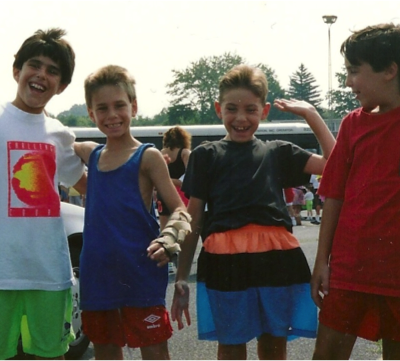
Tomboy Femininity
When I finally came out to myself at age 16 and made it to a free queer youth space, I couldn’t wait to be accepted among folks who didn’t play by society’s heterosexist rules of masculine and feminine as polar opposites.
By Di Sands
December 1, 2020

TOGETHER, ALONE
It wasn’t that she had never heard of homosexuality; but, in her imagination, gay men and women were an exotic species, not real people who could, perchance, be fellow passengers on a bus, fellow shoppers at a mall, or a fellow beginner in a meditation class.
By Kaustav Bakshi
November 2, 2020
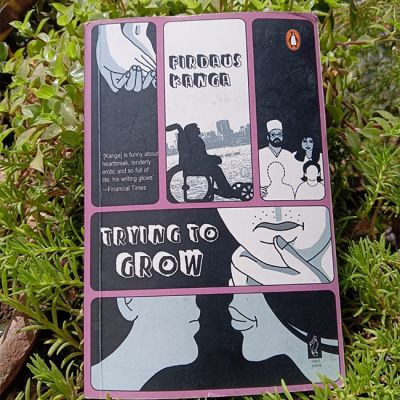
To Exist is to Defy
The novel turns the idea of masculinity on its head through the story of Brit, a boy who is as sharp as he is fragile. Born with osteogenesis imperfecta, Brit’s bones break easily, but his spirit doesn’t.
By Abhigya Singh
April 17, 2025
To Exist is to Defy
The novel turns the idea of masculinity on its head through the story of Brit, a boy who is as sharp as he is fragile. Born with osteogenesis imperfecta, Brit’s bones break easily, but his spirit doesn’t.
By Abhigya Singh
January 16, 2026
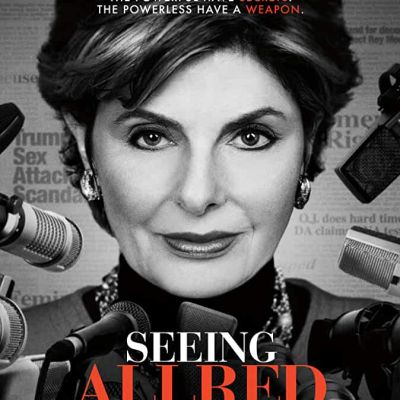
Title: Movie Review: Seeing Allred – The fight for equality goes on
Allred’s story is important because it shows us how an individual used her knowledge, power, and position to challenge the legal system in demanding rights and equality, especially for women and LGBTQ+ people.
By ElsaMarie D'Silva
September 1, 2020
Three Poems: ‘Untitled’, ‘Alchemy’ & ‘Third date’
He said ‘tender’ today/in such a way/I thought/I’d definitely like him saying/dirty things to me
By Carol D'Souza
February 1, 2022
This is how we do it
We need to recognise that mental health stressors that queer people face are not because something is inherently wrong with them.
By Shruti Chakravarty
September 1, 2022

There I sat down and wept
“Be yourself, Sarah. Awkward smiles, empty silences, weird laughter, and all. It’s just a part of being human. Loving someone physically is never not awkward. Even if it’s a monogamous relationship. It’s only the comfort of familiarity that makes you think otherwise.”
By Anna Lynn
April 19, 2021
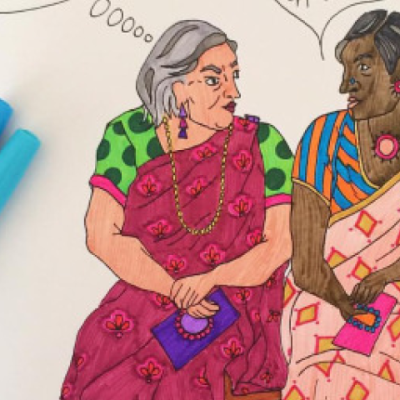
The ‘Aunty’ Body And All That Follows
The issue with the ‘Aunty’ body arises from a deeply misogynistic and dehumanising understanding of women. In this imagination the woman, whom the world now addresses as ‘Aunty’, has basically served her purpose of marriage and child bearing, and is hence rendered useless.
By Feminism in India
March 15, 2021
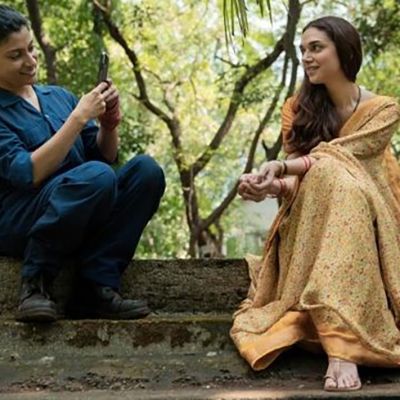
The Villainised Other: Understanding Portrayals of Female Masculinity in Bollywood
Apart from the masculinity portrayed in commercial films with heterosexual tropes, Bollywood has produced movies portraying distorted female masculinity.
By Soumili Paul and Tiyasha Purohit
The Unbearability Of Desire
Intimacy can never thrive in an environment of rigid certainty. Intimacy requires surrender – not in the sense of submission – but in the willingness to be with another person without detachment or defences.
By Shaifila Ladhani
March 17, 2025

The Tree on Which Orchids Grow Safe
I’ve never known the answer to childhood questions…
By Lavanya Arora
August 19, 2025
The Time Machine – 5 In Plainspeak Articles that Celebrate Sexuality in its Diverse Forms!
The In Plainspeak team decided to time travel and re-discover previously published articles that explore the multiple ways in which people find joy and pleasure in their sexualities.
By TARSHI