SISA spaces


CATAMITE
On the other hand, in Abhay’s newly discovered wonderland, everything seemed to be awfully right. Soon, he began receiving proposals for sex-dates. Initially such proposals shocked him; for it took him a few months to get used to the fact that sex with men was only a click away.
By Kaustav Bakshi
October 5, 2020

The Last Local To Vashi
I gave myself the freedom to choose. And I chose to re-examine my assumptions. Maybe it was possible to ask strange men for directions without being afraid of seeming vulnerable. Maybe I could plan my outfit without bothering about the fact that I would be travelling on public transport.
By Tanvi Khemani
October 5, 2020

Nothing Lasts Forever
These two films were refreshing because they didn’t have the fairytale endings of girl-meets-boy, they fall in love, overcome difficult challenges and live happily ever after. Instead, they were set in everyday reality where life takes over and choices have to be made.
By ElsaMarie D'Silva
October 5, 2020
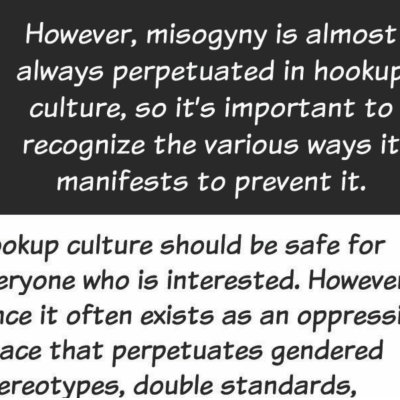
Brushstrokes: 5 Fantastic Ways to Engage in Feminist Hookup Culture
While navigating hook-up culture, we may exercise our agency to express our sexuality but at the same time, may face risks to our safety and bodily integrity as well as obstacles engendered by misogyny, rape culture, heteronormativity, and double standards.
By Curated Content

Video Page: Why Loiter? | Shilpa Phadke | TEDxStXaviersMumbai
Shilpa Phadke reminds us that we have the right to choose to take risks and the responsibility to respect difference so that we can re-imagine public spaces, feel a sense of belongingness in them, and have them belong to everyone.
By Curated Content
October 5, 2020

Editorial: Law and Sexuality
In our mid-month issue, Stuti Tripathi considers whether raising the minimum age of marriage for women from 18 to 21years is indeed a one-stop solution to check early marriages. She brings to our attention the many factors, such as family pressure, inaccessible educational and financial resources, traditionally defined roles of women, and gender-based marginalisation that together lead to early marriages and argues that young people need rights not protection.
By TARSHI
September 15, 2020

Age of Marriage: Rights not Protection
It is necessary to recognize and address the key role that sexuality plays when it comes to our efforts against EFM. What we need to remember is that EFM “doesn’t just lead to a set of restricted choices; it reflects and reinforces a set of restricted choices that already exist.”
By Stuti Tripathi
September 15, 2020

PRIVATE PARTS: OBSCENITY AND CENSORSHIP IN THE DIGITAL AGE
Around the world, LGBTQ+ activists, queer ‘sex-positive’ feminists, sex-workers, artists and educators are leading the charge against the increasingly complex webs of regulation and censorship of sexuality online, where corporate policies intersect with restrictive state law.
By Curated Content
September 15, 2020

Building better workplaces
The #MeToo movement gave voice to the existing pandemic of sexual violence globally, especially against women. Sexual violence against women was (and is) being perpetrated in every space–our homes, the streets, and the workplace.
By Curated Content
September 15, 2020
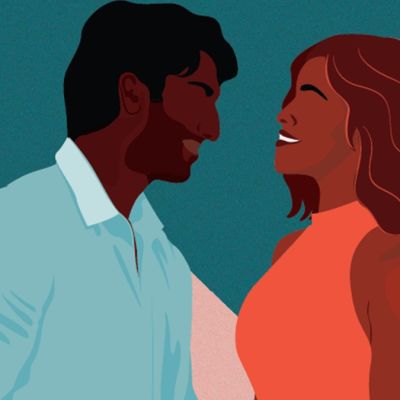
The Case For Platonic Relationships: Rethinking The Rules In Law And Society
The social value of the platonic relationship needs to be restated: Too many boys today grow up with the idea that their relations with women (who are not their mothers and/or sisters) are confined to an oversexualised romantic bubble.
By Curated Content
September 15, 2020

Interview – Amba Salelkar
But not every issue of discrimination and conflict can go to a court.Say for example, affording privacy to a young adult with disability to understand their body and sexual responses, or enabling them to access accessible sex toys or assistive devices related to sexual pleasure.
By Shikha Aleya
September 1, 2020

Is POCSO Failing Adolescent Sexuality?
Age of consent deems sexual activity with persons below the set age as statutory rape, which POCSO has set at 18 years. However, the law in practice faces some unintended consequences, in relation to who it prosecutes and their ages.
By Mrinalini and Udita
September 1, 2020

Canon Law and Queer Believers
I am going to share a personal queer reading to help put forth what I mean. One day, while I was reading the gospel of John for my family, the final words of Jesus, made me wonder whether Jesus could have been gay.
By Roshan Roy
September 1, 2020
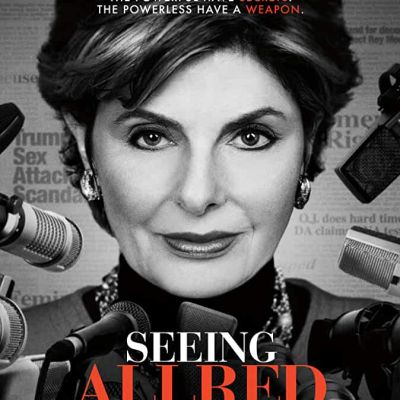
Title: Movie Review: Seeing Allred – The fight for equality goes on
Allred’s story is important because it shows us how an individual used her knowledge, power, and position to challenge the legal system in demanding rights and equality, especially for women and LGBTQ+ people.
By ElsaMarie D'Silva
September 1, 2020
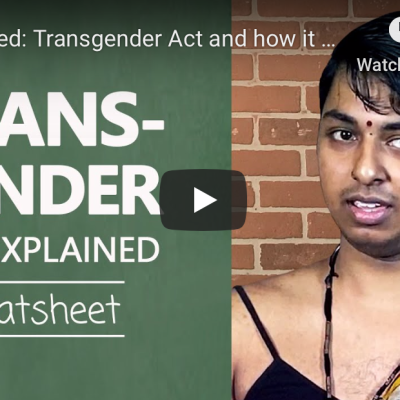
Video: Explained: Transgender Act and how it affects the community
Trans rights activist Kanmani Ray succinctly lays down the concerns around the Act, points out how its language reinforces the gender binary and highlights the fact that while seeking to protect the rights of trans people, the Act in fact discriminates against them.
By Curated Content
September 1, 2020