SISA spaces


Musings of a Sexuality Educator
To be a support system is to be a safe space for them where they can reflect upon, experiment with and understand themselves. A space where people not only come to terms with their individual selves, sexual or otherwise, but also where they become increasingly aware of their own rights.
By Anannya Chatterjee
November 2, 2020
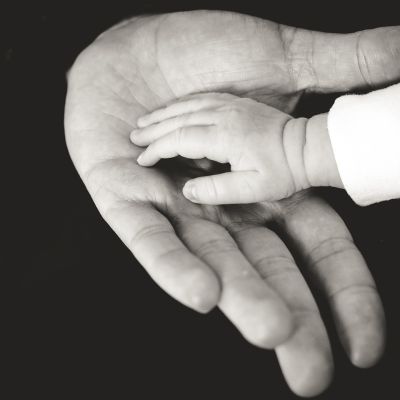
The importance of family
Family, immediate and extended, is usually who you turn to. They are the ones who provide stress relief and reduce anxiety by boosting self-confidence and self-esteem and providing a protective shield. There is a sense of belongingness in good times and in bad.
By ElsaMarie D'Silva
November 2, 2020
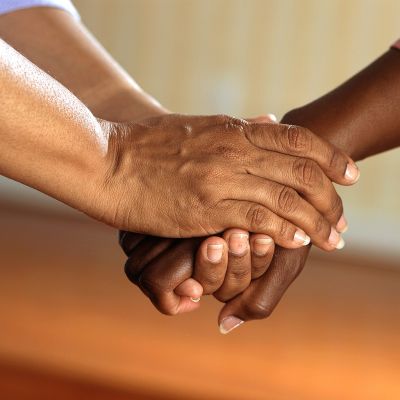
How much support is enough?
In the middle of this pandemic, can one seek sexual support in the form of a hook up with one’s best friend, ‘just because’? Is it redefining boundaries, is it sympathy sex, is it simple indulgence, or is it something that one or both might later resent?
By Asmi
November 2, 2020

TOGETHER, ALONE
It wasn’t that she had never heard of homosexuality; but, in her imagination, gay men and women were an exotic species, not real people who could, perchance, be fellow passengers on a bus, fellow shoppers at a mall, or a fellow beginner in a meditation class.
By Kaustav Bakshi
November 2, 2020
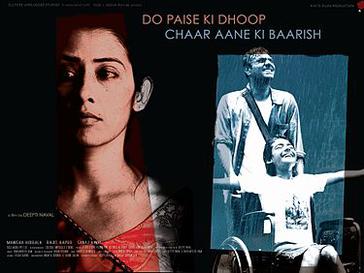
Do Paise Ki Dhoop, Chaar Aane Ki Baarish: A platonic togetherness
The movie was criticised for its stereotypical portrayal of Debu as a gay man. But, the beauty is that it also highlights the reversal of gender roles. The smiles, and the laughter sounding throughout the house, create a cheery note in the movie.
By Dr Swarupa N Kshirsagar
November 2, 2020

Brushstrokes: Fiction Comic: Unwrinkled Saris And Just Another Evening
In a society ruled by heteronormative patriarchal structures, expressing one’s gender or sexuality outside the trimmings of what is socially acceptable is an act of resistance.
By Curated Content
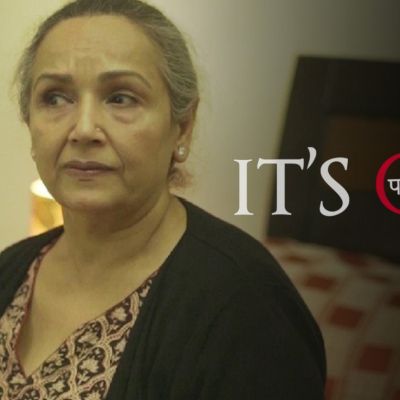
Video: It’s OK Pammi!
The film begins with the mother’s dilemma around her daughter’s refusal to be ‘normal’ and marry a ‘decent boy’. As the story unfolds, we see the mother invite a ‘suitable boy’ for dinner on the same evening as the daughter’s partner is coming home to meet the family.
By Curated Content
November 2, 2020

Editorial: Risk and Sexuality
In our mid-month issue, we add context to our perceptions of and dealings with risk in our day-to-day lives. Collating and interpreting responses we received on a survey taken by small group of random individuals, Shikha Aleya looks at the transactions around risk foregrounded on the interplay of our location on the axes of gender and sexual identity, disability status, belief systems, and availability of support, amongst others.
By TARSHI
October 15, 2020

Public Interview on Risk and Sexuality
Risk by itself is not a stigmatised subject, but sexuality is, and has been for generations. This has led to closeting, to shutting the door, on many necessary conversations about the risks to rights that millions of vulnerable individuals and many vulnerable communities live with, across the globe.
By Shikha Aleya
October 15, 2020

Between Fear and Freedom
While highlighting safety from, media narratives often dismiss safety to: express oneself, be it through the way we identify and communicate, or through the body. Not only the spaces we access and the time of day we do so but also the way we perform our self-hood.
By Anjali
October 15, 2020

The Risks and Gains of Coming In
I had risked so much already, not just by loving another woman, but by acting on my desires. By allowing myself to feel intimacy and connection with another queer person. Despite feeling guilt and shame, this risk had become increasingly vital to take.
By Sweta
October 15, 2020

We Need To Talk About Unsafe Sex And Our Dilemmas Around Using Contraception
The scope for unsafe sex, as discussed earlier, extends to STIs and STDs and therefore, the feeling of ‘un-safety’ during sexual intercourse must expand itself to actively include infections as an equally important factor for using contraceptives, as are unwanted pregnancies.
By Feminism in India
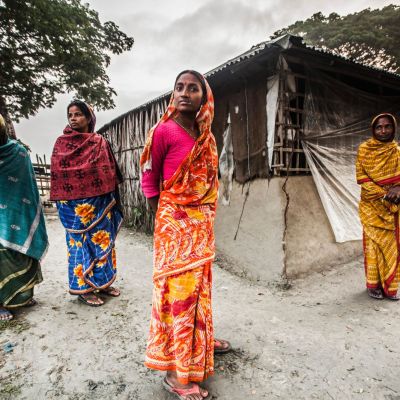
Climate change exacerbates gender inequality, putting women’s health at risk
Reasons why SRHR is not prioritised—but should be—in climate change policies, strategies, financing, and programmes are because women’s contribution and roles as agents of change are often disregarded due to gender inequality.
By Curated Content

“I HAVE READ AND AGREE TO THE TERMS AND CONDITIONS”: INFORMED CONSENT IN THE AGE OF SOCIAL MEDIA
Ethical considerations and frameworks for traditional (for the lack of a better term) have had decades of debates, discussions, and revisions to have Boards of Review with similar ethics regulations (although they are still being critiqued).
By Curated Content

Marriage as Risk
So, what are the risks in a marriage? Well, the first and the most obvious one is that you don’t know if the partner you’ve chosen or has been chosen for you will make you happy. In the Indian context, even if they do make you happy, the family might not be too thrilled about the match.
By Sadaf Vidha
October 5, 2020