Sexuality

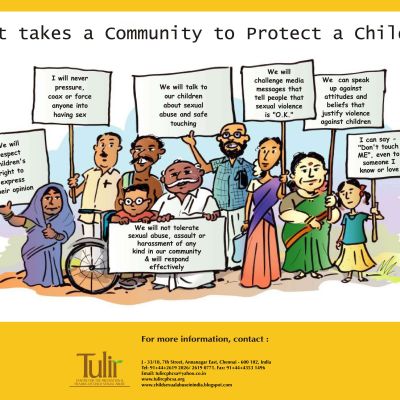
It Takes A Community To Protect A Child
[slideshow_deploy id=’5400′] TULIR uses these posters in their advocacy work to prevent sexual violence against children. These posters address children…
By TULIR CPHCSA
February 15, 2015
It Is Okay To Feel Sexy
Saying yes to pleasure is as important as saying no to danger. To focus only on danger and keep it separate from pleasure leads to half-knowledge.
By Ramya Anand
February 3, 2020

Issue in Focus: “Is that Book Feminist?”
Fiction is a realm within which we can imagine the limitlessness of our feminist realities. By censoring fiction itself in an anxiety to perform what we understand as feminism, is to censor our imaginations, its subtle negotiations with reality and its potential in generating desires and dreams we hardly knew of. Does this mean we don’t critique books and movies? Definitely not! Critique is fun. Critique is important. Critique is how we grow. But the judgement needs to stop.
By Shweta Krishnan
September 1, 2017
Issue In Focus: What’s Porn Got To Do With It?
During a recent conversation with an American friend who is a self-professed feminist of the second-wave variety and hence regards…
By Harjant Gill
November 1, 2015

Issue In Focus: What’s In a Joke?
Last January, armed gunmen stormed the Paris office of the French magazine Charlie Hebdo, killing 12 and injuring 11, because…
By Shweta Krishnan
January 4, 2016
Issue In Focus: This Thing We Call Freedom
Chandra Deo Singh, a name not necessarily familiar to many of us, spent time in prison in1945 for taking part…
By Shikha Aleya
August 1, 2015

Issue in Focus: The Script of Love
The discursive power vested in audio-visual media can prove to be emancipatory if it seeks to re-write the scripts of love, to expand it to include various subjectivities, disturb the patriarchal gendered dynamics that it is based on by introducing a story that allows the audience to imagine it in various different ways.
By Anannya Chatterjee
December 3, 2018

Issue In Focus: The Conversations We Don’t Have
A long, long time ago, in a room far, far away, I remember playing at being a mythological hero I…
By Shikha Aleya
February 1, 2016
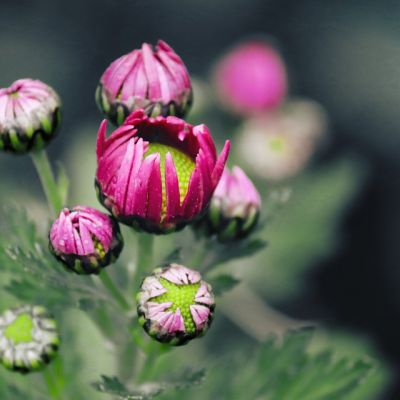
Issue in Focus: Sexual Rights
It may be useful to visualise sexual rights as a large tree with deep roots and a vast canopy of leaves. Or as a giant umbrella. Or a big tent. Whatever tickles your imagination and allows you to see it as a conceptual and practical tool to make claims for any aspect that relates to how we express sexuality.
By Radhika Chandiramani
December 2, 2019
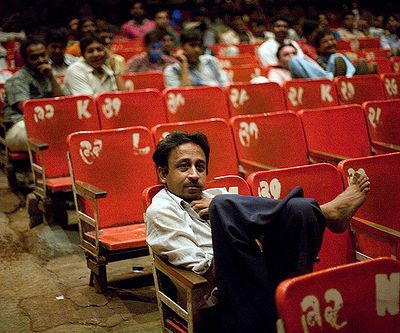
Issue in Focus: Sex And Modern Prudery
I have great respect for Michel Foucault and his views on sexuality in our present era. While speaking on the…
By Sonia Soans
February 1, 2015
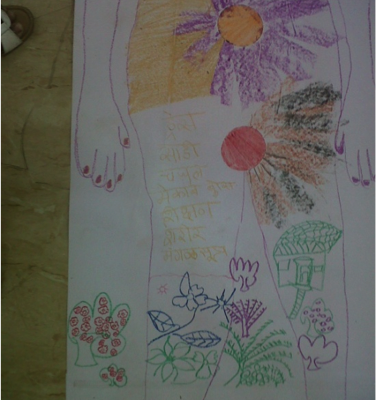
Issue In Focus: Rabbits, Monsters And Terrified Therapists
The rabbit and the monster is a story about a baby rabbit all alone in a jungle trying to escape…
By Shikha Aleya
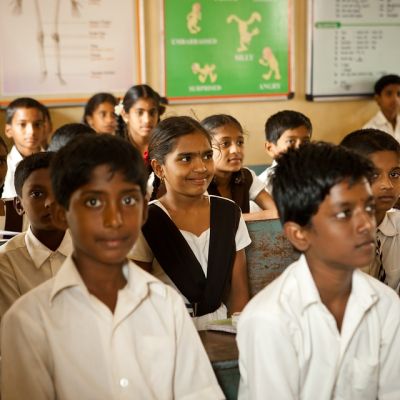
Issue In Focus: Privacy and Peer Relationships
If students of such young ages can have the agency to work around hard-wired issues of sexuality and privacy, bearing in mind consent, choice and failure as part of life, we see no reason for this sense of agency to not expand one’s sense of belonging and easily create change.
By Aishwarya and Reshma
September 2, 2019

Issue in Focus: Power, Agency and Sexuality
Since all women do not share a common history, agency cannot and need not be located for all in an emancipatory discourse and in the recourse to resistance and subversion. For some, feminist agency and the realisation of one’s potential as gendered actors in the world can come from submitting to a discourse that others deem repressive.
By Shweta Krishnan
July 2, 2018

Issue in Focus: Performance and Sexuality
To think of sexuality as performative disrupts the need for stable categories and identities, instead suggesting that we all reinforce and disrupt normative formations as we attempt to inhabit the world in messy ways.
By Sneha Krishnan
September 4, 2018

Issue in Focus: Of Webs and Wellbeing
Is seeking wellbeing selfish and individualistic? Does it imply placing one’s own interests above those of others? In the context of sexuality, does it mean prioritising one’s pursuit and attainment of pleasure above all else?
By Radhika Chandiramani
June 1, 2018