relationships


Dear Diary: The radically feminist creative journalling practice that nobody talks about
My journal has many entries that are speculative and fantastic. Writing about the mundane leads me to question the way the world operates and from there I frog-leap into a world of ideas where I imagine a radically different way of being. In my journal, I imagine a politics of care, community, and compassion. I become grand, valuable, and unstoppable, even in a world where I am sometimes made to feel small.
By Sheena D'Lima

February 17, 2026
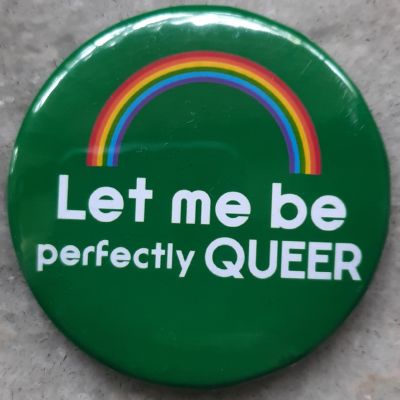
Dancing around each other: Conversations with a Tween
As a generation X-er I grew up in a world that was challenging sexuality but only encountered the instability of gender as an adult in radical new academic texts which were not then yet part of our everyday narratives. My daughter born between Gen Z and Gen Alpha is growing up in a world of gender fluidity and multiple pronouns.
By Shilpa Phadke
March 15, 2022

Communication: A Path to Vulnerability
We must all care for ourselves and be discerning about when and where and with whom we show our cards…but those who can hold our emotional and sexual vulnerability are out there, and we can find them and be all of who we are.
By Shilpa Sachdeva
April 5, 2021
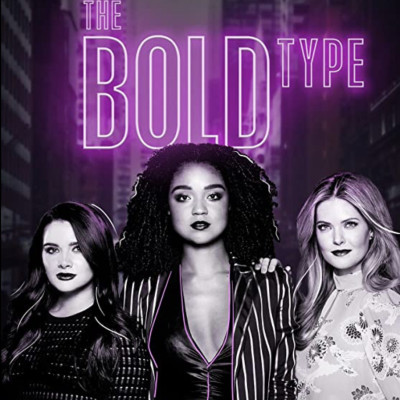
Circle of Trust
None of these characters is perfect but in their imperfections we can learn more about body positivity, gender sensitivity, privilege, consent, unconscious and implicit bias, sexuality, masculinity, their intersections with class, religion, race, age, and more.
By ElsaMarie D'Silva
April 5, 2021

Caring and care-giving
Just as capitalism has learned how to co-opt feminism into its model, it has done the same to ‘wellness’, so much so it has become an industry of its own. Mental wellbeing, no matter how necessary and important it is, remains a luxury with more than half of our country either unaware of available mental health resources or not in a position to even afford therapy.
By Deepa Ranganathan
July 5, 2021

Can’t Help Blending With You
…something truer than thought starts to climb upwards.
By Taarina Therese Chandiramani
February 17, 2026
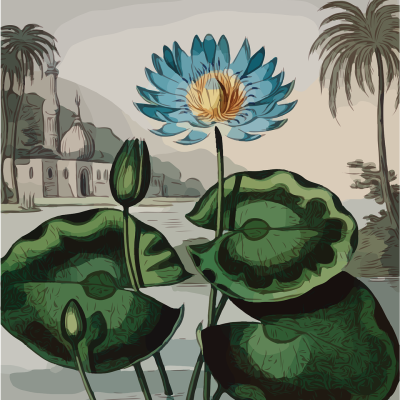
Camouflage
I cannot let anyone see the stretch marks, the cellulite, the saggy breasts. I cannot reveal my hideous body. I feel anxiety well up inside me even as I visualise this eventuality. I read about ten ways for a fat person to have meaningful sex. I learn that throwing a cloth over the bedside lamp will help hide my flaws.
By Sharada Vinod
August 2, 2021

Burnout, Boundaries, and Better Self-Care
My self-care journey has only just begun and I have a long way to go. I do have bouts of self-doubt, anxiety, and panic, and I still go through periods of feeling overwhelmed. However, more than anything, I have learnt that self-care, for me, is a subversive act, and caring for myself gives me the strength to challenge the status quo and play my part in social justice movements.
By Devika
July 19, 2021
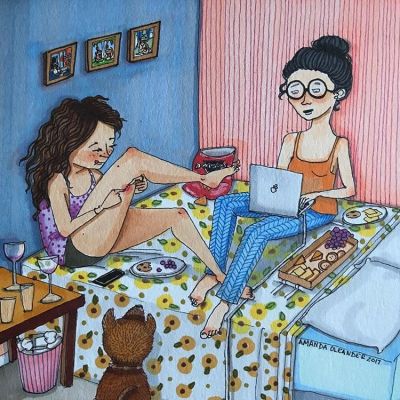
Brushtrokes: Amanda Oleander’s Art
Artist Amanda Oleander’s paintings chronicles the everyday lives of couples and the various mundane things they do together that are simultaneously deeply intimate and poignant.
By Curated Content
February 1, 2019
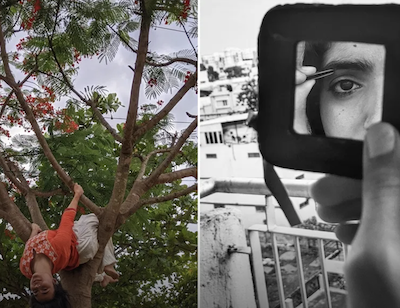
Brushstrokes: Women At Leisure: Photo Essay On Pastime As A Feminist Issue
Inspired to collect photographs of women spending time by themselves and for themselves after a conversation with her mother’s friend, Surabhi Yadav began the project, Women at Leisure.
By Feminism in India
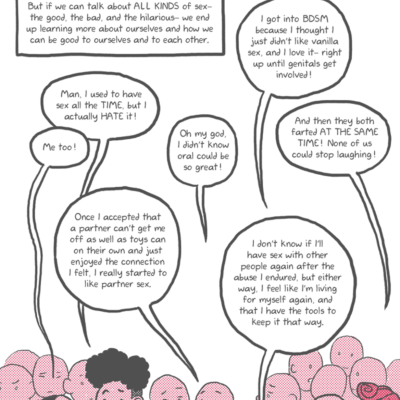
Brushstrokes: Who We’re Leaving Out of Sex Positivity – And How to Make It More Inclusive
Everyday Feminism’s comic illustrates the complexity and diversity of sexuality, revealing how sex can sometimes be pleasure-affirming and sometimes not, and asks us to talk about ALL KINDS of sex – the good, the bad, and the hilarious.
By Curated Content
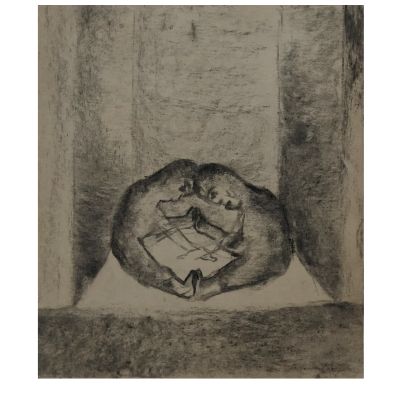
Brushstrokes: Vulnerability and Sexuality
Her artworks illustrate discoveries, intimacies, and vulnerabilities during a time when identities are coalescing that may affect how we eventually come to become.
By Prachee Batra
April 19, 2021
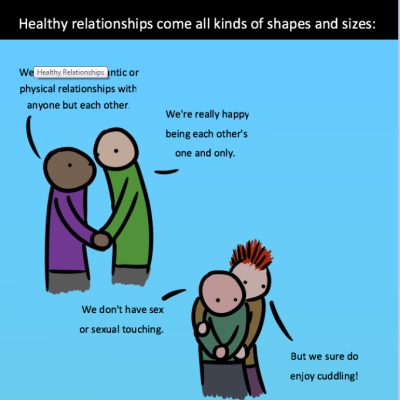
Brushstrokes: Healthy Relationships
Just as there are diverse ways of expressing and experiencing one’s sexuality, pleasure, too, is experienced in multiple forms and through multiple practices in each relationship.
By Curated Content
February 3, 2020
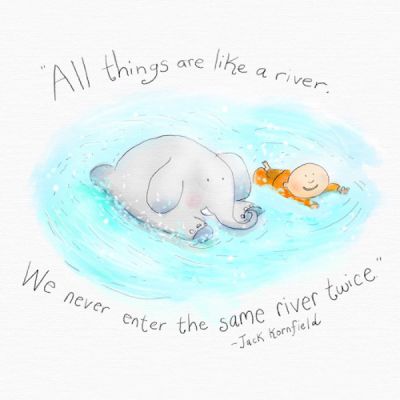
BRUSHSTROKES: HAPPY DOODLES
We found these heart-warming doodles that are dedicated to staying conscious of things that matter for our personal well-being and our relationships with others but that we tend to lose touch with from time to time.
By Curated Content
January 4, 2021