Power


Swipe me left, I’m Dalit
Dalit women are primarily viewed as victims and survivors of various kinds of violence. Reification of the Dalit identity has led to the boxing of our existence whose dimensions are solely defined by the savarna (dominant caste) gaze. Our self-assertions of identity are commodified to create a warped limiting of our lives, creating an image that is voiceless in the minds of our potential suitors. We are not seen as being capable of desire, love or happiness; we don’t exist as individuals outside of violence.
By Curated Content
June 15, 2021

Review: Offers You Can’t Refuse
It was a million dollar question. Literally. The Hollywood film Indecent Proposal (1993) had actors Demi Moore and Woody Harrelson…
By Manjima Bhattacharjya
July 16, 2018

Queering the Paradigm: Dismantling Politics, Power, and Privilege
Queering, as a theoretical and practical approach, has emerged as a powerful means of challenging and dismantling established politics, power…
By Lipun Kumar Sanbad
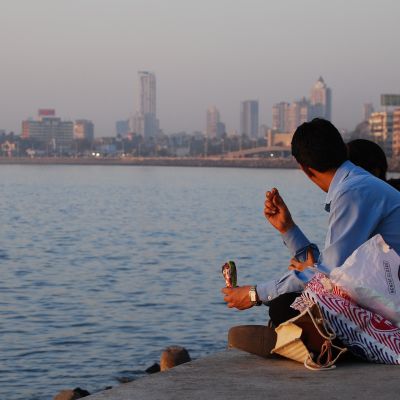
Public Sex and the Police in Urban Spaces
While sex workers face repeated harassment by the police, many young couples face threats in a one-off incident if the police finds them with their partner/lover. They may face police surveillance of expressions of intimacy and affection in public.
By Shruti Arora
April 1, 2022
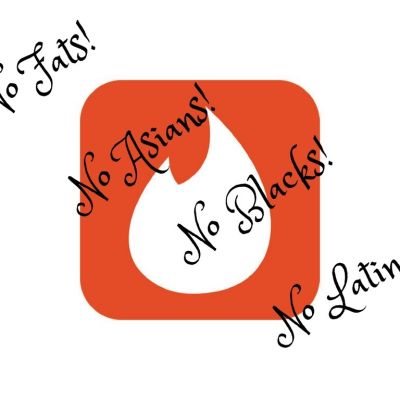
Of Tinder, Sex And Colonial Hangovers – Is Desire Political?
The point is not to lay the blame on women or assign them responsibility for patriarchy. It is to encourage a deeper introspection of our desires. My first boyfriend, whom I got to know in 2010, was in the habit of asking me (and other women he had previously dated) whether he could kiss me, before doing so. Every time any sexual activity was involved he would always ask beforehand and continuously check in if I was comfortable throughout.
By Feminism in India
August 14, 2018
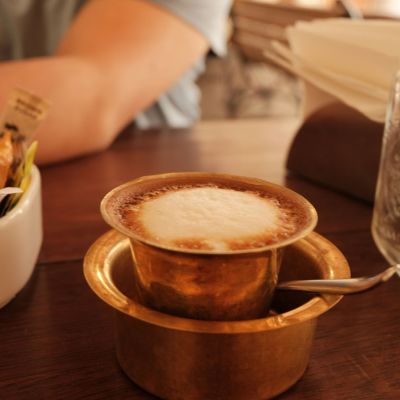
Of filter coffee, marriage and mixed celebrations of sexuality
Marriage also feels complicated when one approaches it through the lens of feminism. Marriage throws in two people and often their families into a system designed to perpetuate patriarchy, subjugate women, and bind men and women (in heteronormative marriage) into strict roles in the marriage.
By Vani Viswanathan
January 13, 2025

Of filter coffee, marriage and mixed celebrations of sexuality
Marriage also feels complicated when one approaches it through the lens of feminism. Marriage throws in two people and often their families into a system designed to perpetuate patriarchy, subjugate women, and bind men and women (in heteronormative marriage) into strict roles in the marriage.
By Vani Viswanathan

Negotiating Expression
I am still coming to terms with my own femininity, as with new learnings I find myself regaining many facets of my personality which were lost while trying to ‘act like a man’ and ‘act tough’.
By Ambica Naithani
March 1, 2022
Media and the Power of Responsible Representation
It is the winter of 2013, and my father and I are sitting at an awkward distance from each other on the living room couch, our eyes trained on the television set as a popular prime time news debate discusses a subject we have never before talked to each other about – homosexuality. It is only a few days since Section 377 has been reinstated by the Supreme Court, and the television and print media bombards us with discussion after discussion on ‘alternate’ sexualities and LGBTQ rights.
By Rohini Banerjee
July 2, 2018

It’s All about Empowerment at a Nude Photoshoot for a Pornographic Subreddit
This post was originally published in VICE. By: Divya Karthikeyan A Bengaluru woman poses for her lover—and the followers of /r/IndiansGoneWild. Catching…
By Curated Content
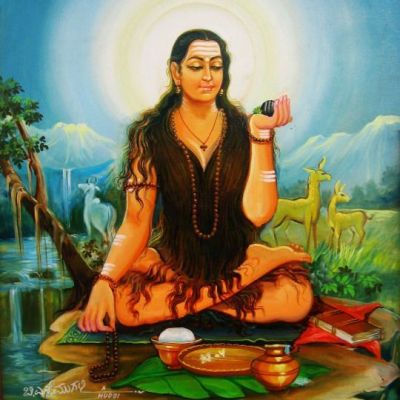
Issue in Focus: Power, Agency and Sexuality
Since all women do not share a common history, agency cannot and need not be located for all in an emancipatory discourse and in the recourse to resistance and subversion. For some, feminist agency and the realisation of one’s potential as gendered actors in the world can come from submitting to a discourse that others deem repressive.
By Shweta Krishnan
July 2, 2018
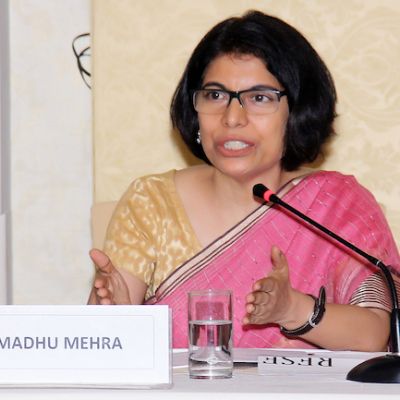
Interview: Madhu Mehra – Part 1
In this issue of In Plainspeak, we interview Madhu Mehra, lawyer and feminist activist. She is a founding member and the Executive Director of Partners for Law in Development (PLD), a legal resource group on women’s rights.
By Shikha Aleya
July 2, 2018
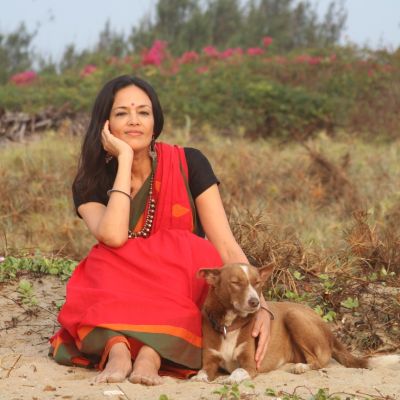
Interview – Tishani Doshi
I’ve essentially thought of movement as a kind of freedom, but one that has the capacity to destabilise you in some way. My most creative moments are when I’m not moving, when I am in fact rooted and still.
By Shikha Aleya
May 3, 2022
Interview – Tishani Doshi
I’ve essentially thought of movement as a kind of freedom, but one that has the capacity to destabilise you in some way. My most creative moments are when I’m not moving, when I am in fact rooted and still.
By Shikha Aleya
January 16, 2026
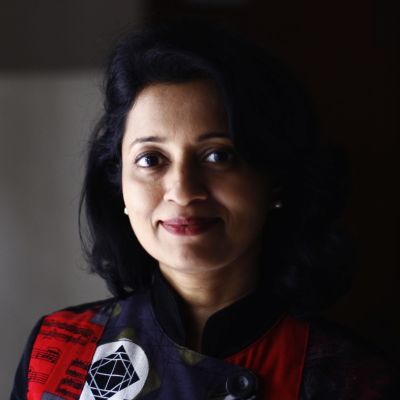
Interview – Shylashri Shankar
So why do we have to have fixed notions of gender roles and food?
By Shikha Aleya
July 5, 2023