patriarchy
![The Casteist Charsobeesi[1] of Chachi 420](https://www.tarshi.net/inplainspeak/wp-content/uploads/2026/10/transparent-thegem-product-justified-square-m.png)
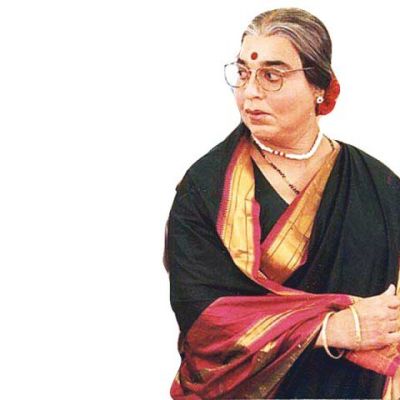
The Casteist Charsobeesi[1] of Chachi 420
Kamal Hassan has come to be quite a literal poster boy of all anti-caste memes lately. To reminisce about the…
By Swati Vijaya
October 3, 2017

Steering Through Singlehood
I am 27 now and marriage is the most brought-up topic of conversation by my parents and relatives. Now, choosing or wanting to stay single is inversely proportional to my reputation, respect, and worthiness.
By Nidhi Chaudhary
February 1, 2021
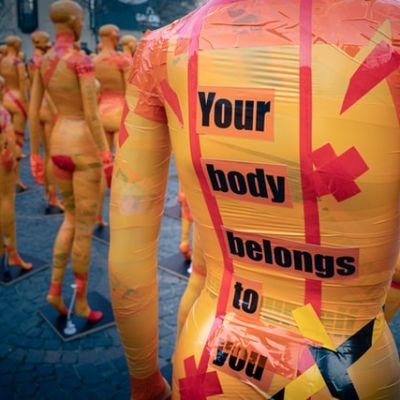
STAY SINGLE. STAY SAFE.
The largest contingent of voiceless, lonely women with limited agency in the subcontinent must be its married women. If they’re fortunate enough to be born and reach adulthood, a woman’s parents and society make sure she becomes an adult brainwashed into self-alienation and self-loathing.
By Nighat Gandhi
April 5, 2021
Spinning Straw into Gold: Older Womxn Celebrate Sexuality and Spirituality
The most satisfying spiritual and sexual experiences I’ve had were not in my twenties, thirties or even forties. They have been in my 50’s. The most insightful spiritual insights, and the most orgasmic orgasms have both arrived in middle age.
By Nighat Gandhi

Shifting the Gaze: How women wish to experience desire
This awareness of the status ascribed to women – the status of being the objects of men’s desires – affects every aspect of a woman’s life. Desire then, in particular, becomes an aspect of a woman’s life where navigation becomes tricky.
By Gitanjali
January 13, 2025
Shifting the Gaze: How women wish to experience desire
This awareness of the status ascribed to women – the status of being the objects of men’s desires – affects every aspect of a woman’s life. Desire then, in particular, becomes an aspect of a woman’s life where navigation becomes tricky.
By Gitanjali
March 17, 2023
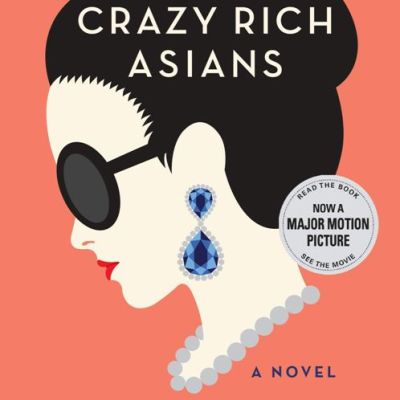
Sexuality, Choice and ‘Crazy Rich Asians’
Kwan’s ‘Crazy Rich Asians’ does not just highlight the lifestyle of the segment of Singaporean society that is unimaginable and unattainable to most people, it amplifies that heterosexuality is often not a choice.
By Vizla Kumaresan
March 5, 2019

Sexuality and the Single Woman
I am confident in my sexuality and know what I want from life. I definitely do not want to be joined at the hip with a man to feel fulfilled. But I do know what I want from a man and I can enter a relationship from a point of equality rather than subservience.
By ElsaMarie D'Silva
November 1, 2018

Sexing the Digital
That offline patriarchal norms are travelling online – lock, stock and barrel. Digital technologies may appear to be gender-neutral, but floating below their waters is the whole kit and caboodle of patriarchy.
By Bishakha Datta
December 18, 2023
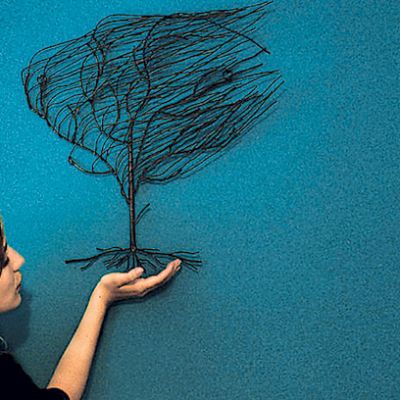

Review: What Does Clothing Have to do with Sexuality in the Media?
Attire and sexuality in the common imagination and approach as represented (and also as received) by the mainstream media tell us a lot about prevailing attitudes to both. Advertisements bombard us with all kinds of representations, negative and positive, of human sexuality, sexual expression and desire. In the creation and marketing of attire and fashion, there is a great awareness of sexual buy-in or rejection by the market – that’s us.
By Shikha Aleya

Reclaiming Being Single Against Emma Watson’s Self Partnered
Emma Watson spoke to British Vogue about the incredible amounts of stress and anxiety that follows, “…if you have not built a home, if you do not have a husband, if you do not have a baby, and you are turning 30, and you’re not in some incredibly secure, stable place in your career, or you’re still figuring things out…”
By Feminism in India
February 15, 2021

Queer Heterosexual, Heterosexual Queer: Two Tales of Queer Love 100 Years Apart
The lovers enact many recognizable hetero-normative romantic tropes – the wronged petulant woman pacified via kisses and caresses, the woman too tired for sex who then tries to placate the sulking male lover.
By Mamatha Karollil
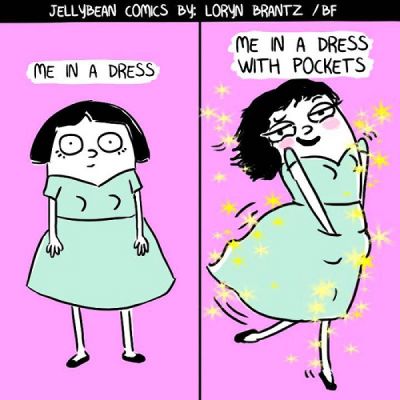
Picking Pockets: Why Functional Clothing Matters for Feminism
The link between women’s clothing and patriarchy is important to acknowledge and understand if we are to address some pertinent questions around women’s agency and ability to exercise control over their choices, bodies and sexuality – questions that feminists around the world, including in South Asia, continue to struggle with.
By Kristin Francoeur and Surabhi Srivastava
Patriarchy Won’t Let Me Masturbate
That’s all the big roles and ethics
All there to fulfil.
Another task,
Another box to tick
Another concrete path to rush
Quick, simple and straight.
By Shashwat
June 16, 2023