Mental Health


Why singlehood is meaningful: Three voices
By the end of the evening, the room was suffused with the celebration of singlehood, rather than any explanation or apology for it. It appeared that the solitary life was envied and extolled by those who have opted out of it as well as many who haven’t.
By Curated Content
February 15, 2021
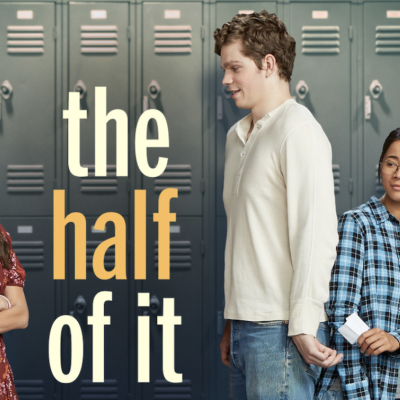
Why Settle For Good When You Can Have Great?
The Half of It is beautiful because it brings out the insecurities of teenagers who want to fit in with the world around them and are confused about their feelings which might be the diametrical opposite of what is socially expected.
By ElsaMarie D'Silva
December 12, 2022

Who would we be if we weren’t trying to survive? A Conversation on the Survival Myth
What does it mean to hold space and extend compassion to ourselves and our communities? Rachel Cargle reminds us to ask ourselves: who would we be if we weren’t trying to survive? Similarly, what would care and vulnerability look like if we weren’t trying to survive? The anarchy of queerness constantly and necessarily resists the capitalist engineering of the Survival Myth: one that wants us to endure an isolated life instead of embracing it with the radically transformative joy of togetherness. Caring for yourself precedes, succeeds, and exists alongside caring for the collective.
By Rukmini and Soumya

Where do we begin?
The connection between mental and emotional wellbeing and stigmatised identities is perhaps most easily understood and therefore a good entry…
By Shikha Aleya
September 19, 2022
When the Game is Set Against You, Why Play By The Rules?
“It is no measure of health to be well adjusted to a profoundly sick society.” — J. Krishnamurti Sexuality for…
By Simran Kewlani and Vasudha Ramani
September 19, 2022
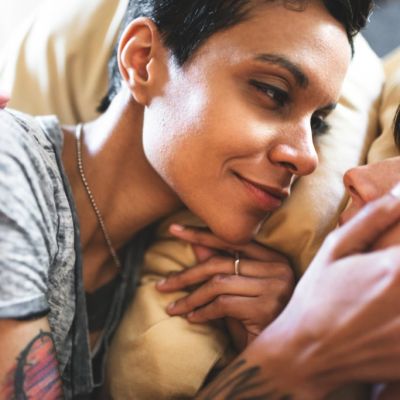
What You Need to Know About Dating While Mentally Ill: A Guide By Mentally Ill Women
August 27, 2018 by Sophia Stephens Affectionate couple on bed In my experience, one of the most frustrating challenges about living with…
By Curated Content

June 15, 2026

WHAT I LEARNED ABOUT SELF-CARE AND WELLBEING AS A SEXUALITY RIGHTS ACTIVIST
Wellbeing and sexuality for me therefore entailed thinking through and dealing with violence, understanding and acknowledging it as not the entirety of one’s experience, and going through a process of healing.
By Arpita Das
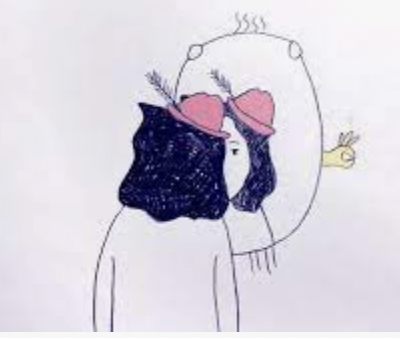
Video: How to be a Friend to Yourself
This thought-provoking, luminously illustrated The School of Life video reminds us of self-compassion being essential to building our own selves up, and being a safe space where we can extend the same love and imagination to our vulnerabilities, insecurities, fears, and doubts as we do to our friends.
By Curated Content
July 5, 2021
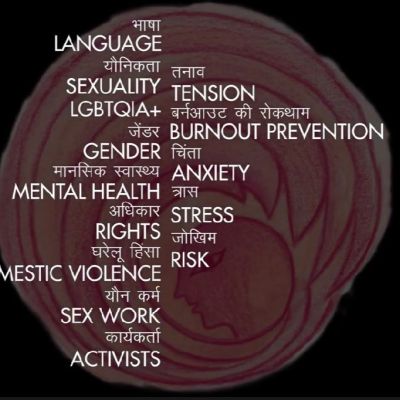
Video: “Me, We, Us”
Conversations about stress, burnout and mental health have gained prominence, especially during and since the COVID-19 pandemic. But, what is stress and burnout?
By Curated Content
September 1, 2022

This is how we do it
We need to recognise that mental health stressors that queer people face are not because something is inherently wrong with them.
By Shruti Chakravarty
September 1, 2022
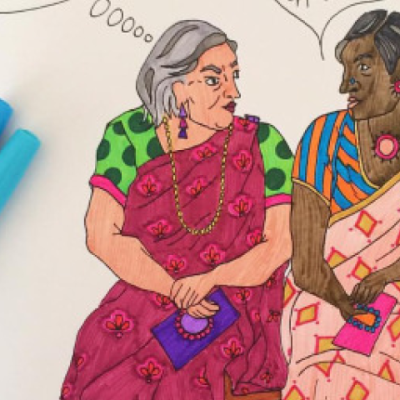
The ‘Aunty’ Body And All That Follows
The issue with the ‘Aunty’ body arises from a deeply misogynistic and dehumanising understanding of women. In this imagination the woman, whom the world now addresses as ‘Aunty’, has basically served her purpose of marriage and child bearing, and is hence rendered useless.
By Feminism in India
March 15, 2021

The Silent Theft of Consent: How Patriarchy Undermines Women at Every Step
When a woman, in her own house, is told by her family members, to always seek their consent before doing anything, and to always keep them informed of every activity she engages in, or even to seek a job in her chosen field, her freedom is taken away from her. She is expected to take their consent for anything and everything, but her own consent is taken away from her.
By Aanya Narula
The Risks and Gains of Coming In
I had risked so much already, not just by loving another woman, but by acting on my desires. By allowing myself to feel intimacy and connection with another queer person. Despite feeling guilt and shame, this risk had become increasingly vital to take.
By Sweta
October 15, 2020
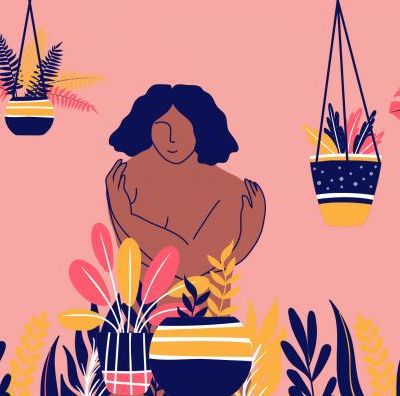
The Politics of Self Care and Feminism
In a time when reason is more valued than emotion, unravelling and understanding the politics of self-care becomes all the more fundamental for us, and the movements we seek to develop and build. When our bodies, our emotions and our needs become weapons to be used against us, acts of defiance become rooted in thinking about your self and how we practice it. I find I am faced with more questions than answers, but I also know that asking the questions is the first step to finding the answers
By Curated Content
July 19, 2021