love

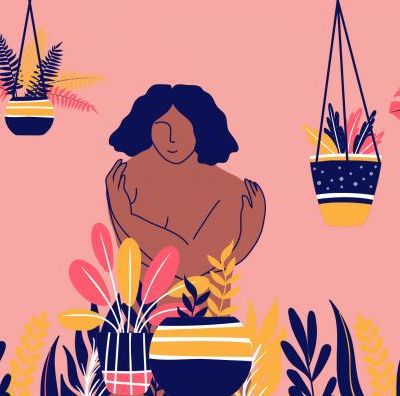
The Politics of Self Care and Feminism
In a time when reason is more valued than emotion, unravelling and understanding the politics of self-care becomes all the more fundamental for us, and the movements we seek to develop and build. When our bodies, our emotions and our needs become weapons to be used against us, acts of defiance become rooted in thinking about your self and how we practice it. I find I am faced with more questions than answers, but I also know that asking the questions is the first step to finding the answers
By Curated Content
July 19, 2021

Interview – Raj Mariwala
Self-care is influenced by the environment we inhabit, the way we relate to others, the way we negotiate with other living beings or structures. Self-care is also interlinked with other types of care – whether that is in community resources, psychosocial support, engagement with medical and health care institutions, and of course in collective agency and solidarity.
By Shikha Aleya
July 5, 2021

Caring and care-giving
Just as capitalism has learned how to co-opt feminism into its model, it has done the same to ‘wellness’, so much so it has become an industry of its own. Mental wellbeing, no matter how necessary and important it is, remains a luxury with more than half of our country either unaware of available mental health resources or not in a position to even afford therapy.
By Deepa Ranganathan
July 5, 2021
A ‘Peoples Self-Care’ In-the-Making: Perspectives on the Multiple Possibilities of Existence and Care
But self-care is not a clean and happy procedure, it is not definitively achievable when systematically explored. To understand the scope of self-care we need to see the ‘dark side’ of the landscape, and destroy the versions of self-care that denounce our plurality. In this fight, the only outcome can be a recognition of experiences beyond the wellness narrative structured around the neoliberal agenda. This article is an attempt at foregrounding some aspects of self-care that decentralise the prevalent commodification of it.
By Rukmini Banerjee
MY VAGINA IS DUKHA?
Ageing vaginas in ageing female bodies are joked about. But a vagina shouldn’t have the task of pleasing anybody but itself first. To begin with, we’ll have to love and respect our vaginas in order to pleasure them. Love them just as they are. If they feel a little dry, don’t despair. Use a lubricant or a little coconut oil. If my labia are unshapely, they’re still my labia and respond very nicely to gentleness and tenderness. If I don’t love and respect my ageing body, in need of gentle, loving, patient care, then who will, for God’s sake?
By Nighat Gandhi
July 5, 2021

Dear Diary: The radically feminist creative journalling practice that nobody talks about
My journal has many entries that are speculative and fantastic. Writing about the mundane leads me to question the way the world operates and from there I frog-leap into a world of ideas where I imagine a radically different way of being. In my journal, I imagine a politics of care, community, and compassion. I become grand, valuable, and unstoppable, even in a world where I am sometimes made to feel small.
By Sheena D'Lima
On Confinements & Coexistence: Perspectives on the Impact of Covid-19 on the Mental Health of Women
Pandemics have a profound psychological impact. They are known to disrupt one’s sense of safety, security, certainty, control, concordance, and…
By Ansha Patel
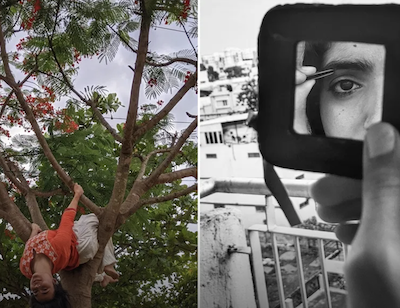
Brushstrokes: Women At Leisure: Photo Essay On Pastime As A Feminist Issue
Inspired to collect photographs of women spending time by themselves and for themselves after a conversation with her mother’s friend, Surabhi Yadav began the project, Women at Leisure.
By Feminism in India
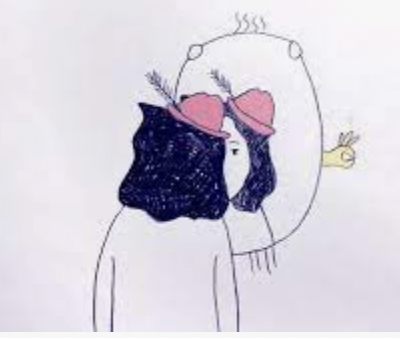
Video: How to be a Friend to Yourself
This thought-provoking, luminously illustrated The School of Life video reminds us of self-compassion being essential to building our own selves up, and being a safe space where we can extend the same love and imagination to our vulnerabilities, insecurities, fears, and doubts as we do to our friends.
By Curated Content
July 5, 2021
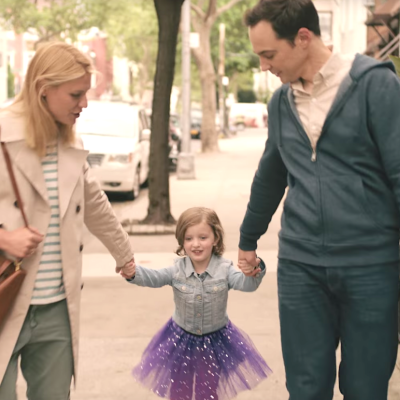
Review: I see you
My friend’s son, too, likes wearing tutus and frilly skirts. Every time they go shopping for clothes, he heads to the girl’s section and picks out the frilliest outfit. At check out, invariably the cashier asks if the pretty outfit is for his sister and he confidently says it is for him. Often he wears these outfits to school. His confidence comes from his mother’s acceptance of him and her understanding of his gender expansiveness. It helps that she is a sociologist, but there is a constant pushback from society including from his peers at school who bully the little boy. But it is the constant support from his mother and family that allows him to remain confident and thrive whilst being different.
By ElsaMarie D'Silva
June 15, 2021
On Sexuality, Representation, and Being a Lonely Brown Girl
I long for much more than a greater representation of brown women. I long for a complete overhaul of the racial, gendered, and economic systems that structure our suffering.
But I also long for representation of all people, including brown women, who are in love, who are loveable, and who are — in the absence of love — lonely.
By Curated Content
Swipe me left, I’m Dalit
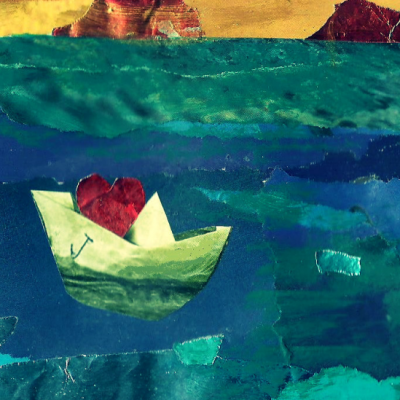
Dalit women are primarily viewed as victims and survivors of various kinds of violence. Reification of the Dalit identity has led to the boxing of our existence whose dimensions are solely defined by the savarna (dominant caste) gaze. Our self-assertions of identity are commodified to create a warped limiting of our lives, creating an image that is voiceless in the minds of our potential suitors. We are not seen as being capable of desire, love or happiness; we don’t exist as individuals outside of violence.
By Curated Content
June 15, 2021
Editorial: Vulnerability and Sexuality
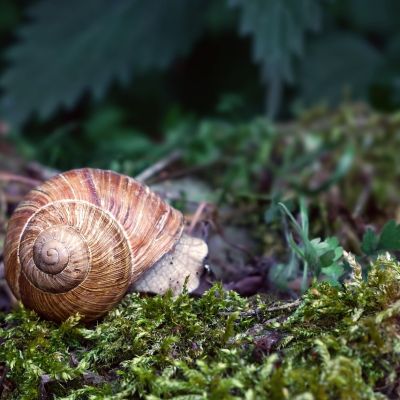
Vulnerability – is it a condition we find ourselves in? A state of being we choose? Let’s keep it very simple: it depends on the approach we take to defining it. In the former approach, we are ‘done to’, while in the latter we are consciously ‘doing’.
By TARSHI
April 19, 2021
Issue in Focus: The Heart of Being
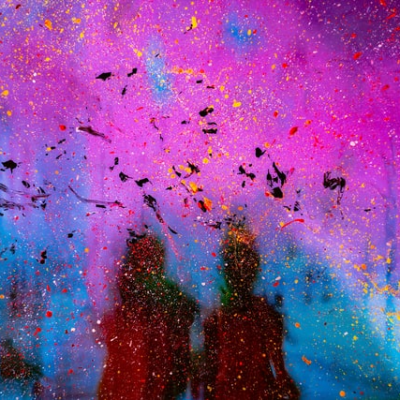
To chase down our own vulnerabilities around sexuality is a short run around the corner, five minutes ago, last night sleeping alone, with a lover, a partner who lost interest, the Insta post that leaves you feeling you’re not good enough for the hug, the kiss, the cuddle and are you perhaps the A of LGBTQIA+?
By Shikha Aleya
April 19, 2021
Should I Say I Love You?
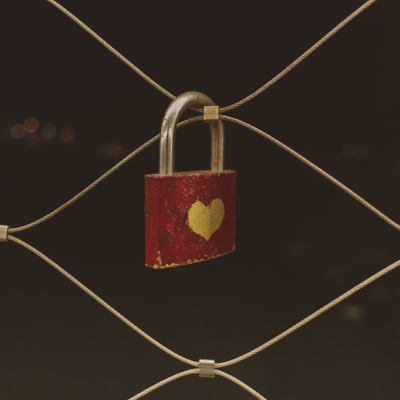
Being vulnerable helps boost our self-esteem and self-worth by pushing us out of our comfort-zone. It provides us with an opportunity to overcome obstacles and reach deep down within ourselves to find strength and confidence to keep going even when the odds are against us.
By Shubham Ranjan
April 19, 2021