LGBTQ

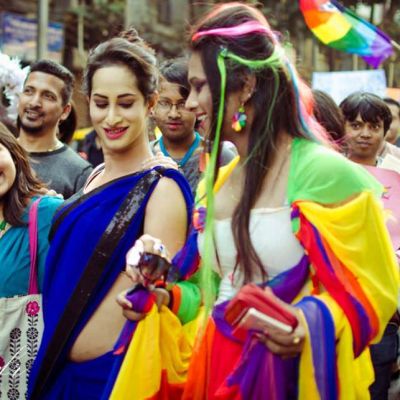
Worlds Within Queer Worlds: Presence, Politics and Diversity
There is no singular way of being queer or performing queerness. We are all products of converging and diverging histories and our queerness is shaped by forces tangible and intangible in the everyday.
By Sohini Chatterjee

Engaging With Diversity and Sexuality in Education
From my experiences, I find that diversity is not an end unto itself. Instead, it is a tool for reflection, a mirror that shows not only who we, and the society we live in, are in the present, but what we aspire to be in the future.
By Dana Burton
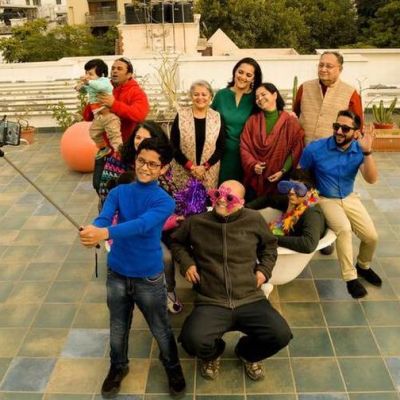
Multiple Generations, Same-Sex Couples, Many In-Laws: The Indian Family is Changing
The Indian family is changing. There’s no ‘ideal family’ defined by children or lineage. It comes in different shapes and sizes.
By Curated Content

Queer Fanfiction and the Possibility of Queer Happy Endings
Fanfiction was more than just writing your own stories about the characters or the setting of your favourite book or TV show; it was a questioning of the dominant mainstream pop culture narrative as a whole.
By Rohini Banerjee
December 15, 2018
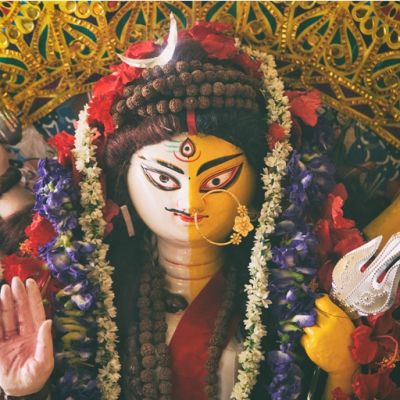
Androgynous Divinity: Celebrating Transsexuality in the Kolkata Durga Puja
The replacement of the traditional Durga idol by that of the Ardhanarishwara, without any obdurate protest, highlights the true carnivalesque spirit of Kolkata’s most looked-forward-to festival.
By Kaustav Bakshi and Arnab Adak
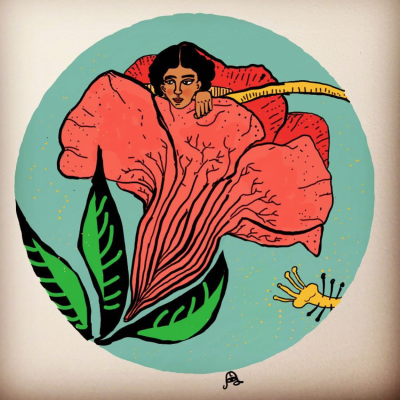
Love, Lust or Desire – Fusing Sex Back with Sexuality
While sex sometimes can be fun, and at other times complicated and frustrating –is always love, lust or desire: which one you are signing up for and which one did you want to actually explore?
By Nidhi Goyal
November 1, 2018
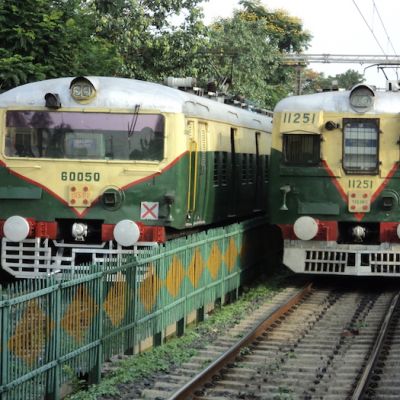
In Transit
I could have called it transformation instead of transitioning. But it became clear to me that transitioning does not necessarily imply a caterpillar-butterfly story but that it means a gradual acceptance of the self (and the self is ever-transitioning); of being comfortable in your own skin (even if it means shedding skin); of perfecting your act (even if it means learning a few new things).
By Rishit Wishit
September 17, 2018
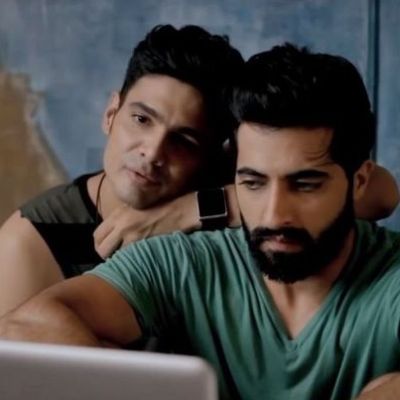
Video Page: Baby Steps
In the short film, Baby Steps, a seemingly mundane Skype conversation between a mother and son turns into something more.
By Curated Content
September 4, 2018
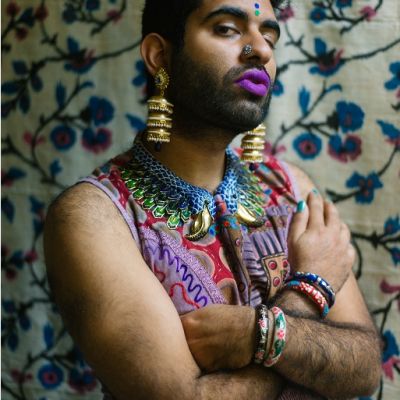
Interview – Alok Vaid-Menon
In an e-mail conversation with TARSHI, Alok Vaid-Menon talks about both performativity and poetic performance.
By TARSHI Team
September 4, 2018
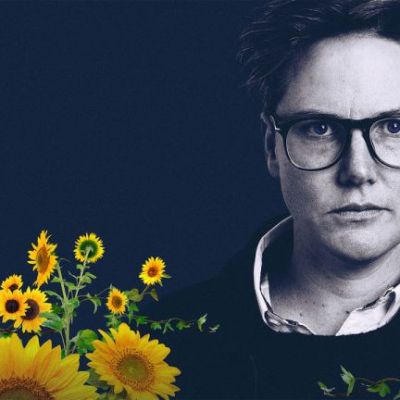
Nanette: Of Universality and Difference
In Nanette, Hannah Gadsby’s hour-long Netflix special that transcends the very notions of stand-up comedy, forces of reclamation, protest, and rage culminate to form a darkly hilarious but heartbreaking diatribe against patriarchy, heteronormativity, violence and marginalisation.
By Anonymous
September 4, 2018
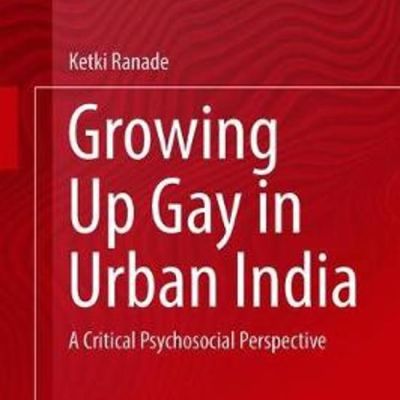
Mid-Air Between Heaven and Earth
The concluding chapter reiterates the aims of the book, i.e., “to start critical conversations within the disciplines of psychology, social work, childhood studies, and family studies in India and to think about exclusions inherent in these disciplines.
By Madhu Kewalramani
August 14, 2018
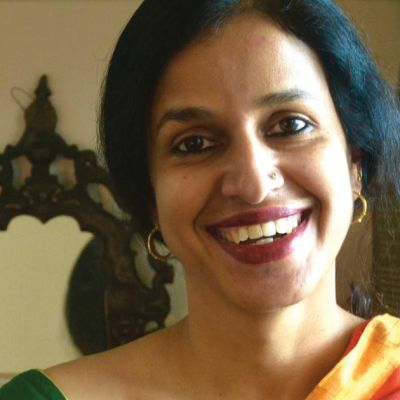
Interview: ‘Desire is Never Straightforward. In Fact, there is Nothing Straight about Desire at All’
Desire is never straightforward, and it cannot be straitjacketed – in fact, there is nothing straight about desire at all. Any issue dealing with desire, therefore, is wasted if viewed through a monochromatic lens.
By Curated Content

The Good Boy with ‘Unspeakable’ Desires: The Queer Testimonio of ‘Nacher Chhele’
In Nacher Chhele, a 38 year old Avijit stands outside himself, takes a long look at his past, and writes an intense testimonio, which would resonate with many middle class Bengali queer men who grew up in the pre-global, pre-Internet city of Calcutta in the 80s and 90s.
By Kaustav Bakshi
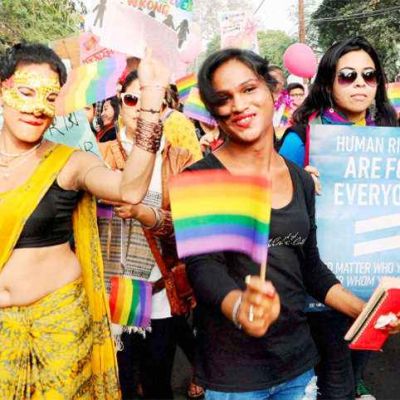
Can’t We Anticipate Stonewall?
If your one step – addressed to everyone irrespective of caste, class, gender, religion, and sexuality – is a giant leap for marginalised and oppressed people, Stonewall will not be far behind.
By Anupom Kumar Hazarika
July 2, 2018

The Absence of a Queer ‘Mother Tongue’
Many queer Indians who converse largely in their respective regional languages find it difficult to put a name to their queer identity in their ‘mother tongue’.
By Anonymous
May 1, 2018