heteronormativity


Of filter coffee, marriage and mixed celebrations of sexuality
Marriage also feels complicated when one approaches it through the lens of feminism. Marriage throws in two people and often their families into a system designed to perpetuate patriarchy, subjugate women, and bind men and women (in heteronormative marriage) into strict roles in the marriage.
By Vani Viswanathan
Issue in Focus: The Script of Love
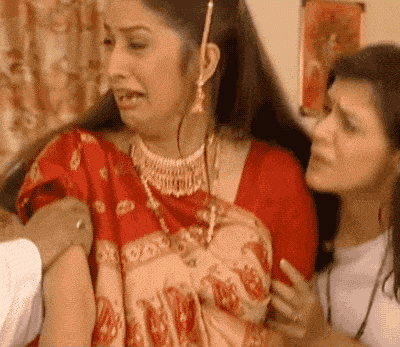
The discursive power vested in audio-visual media can prove to be emancipatory if it seeks to re-write the scripts of love, to expand it to include various subjectivities, disturb the patriarchal gendered dynamics that it is based on by introducing a story that allows the audience to imagine it in various different ways.
By Anannya Chatterjee
December 3, 2018

Issue in Focus: Desire and the Discourse on Difference
Diversity, I think, can be a deceptive word. On the surface it carries the promise of plurality and multiple possibilities. Yet, it is deployed in ways that simply reinscribe normative two-gender stereotypes and heteronormativity.
By Shweta Krishnan
Interview – Ritambhara Mehta
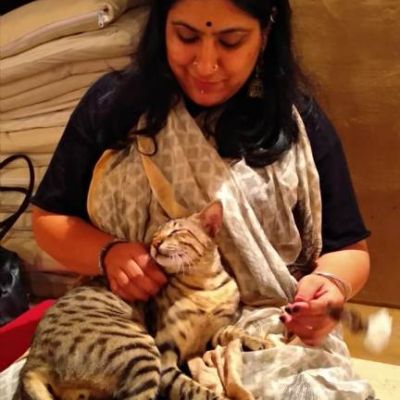
Ritambhara Mehta is with Nazariya, a Delhi-based queer feminist resource group. Nazariya works on issues of gender and sexuality with a focus on issues of queer women and trans* persons.
By Shikha Aleya
February 17, 2020
I Recently Had Sex With A Girl
I am a 25-year-old cis woman and I recently had sex with another woman for the first time. It was new, it felt nice, but it just didn’t feel safe.
By Pallavi
April 1, 2020

How would it be if we grew up embracing sexuality?
Growing up is a tedious task in our society because of the institutionalised practices, societal constructs and boxed identities and expressions that we are expected to adhere to. Anything beyond these implies harm, danger, and deviance.
By Sreejani
January 16, 2026

How We Reimagine and Redefine Freedoms
Every part of life, the world too, is storied. Stories are the thread that hold histories and truths together. Stories are at the core of myth-making. Everything that we know is part of multiple crisscrossing relational storylines that we raise and those that we have no power in raising.
By Curated Content
March 15, 2022

Editorial: Diversity and Sexuality
In our mid-month issue, we have the second part of the Shikha Aleya’s interview with six different people talking about aspects of sexuality and diversity from their own particular space of personal knowledge, as well as work, advocacy, art and activism across diverse fields.
By TARSHI
May 15, 2019

Editorial – Sexuality and SISA Spaces
We envision SISA spaces as non-judgmental, inclusive, rights-based and affirming spaces wherein people’s sexuality, their identities, wellbeing, choices, desires and pleasure are respected.
By TARSHI
January 3, 2022
Editorial – Sexuality and Coupledom
If we are to reimagine coupledom and sexuality, we need to expand and challenge our ideas about togetherness, romance, love, intimacy, desire, sex, attachment, and so on.
By TARSHI
February 15, 2022
Editorial – Queering Sexuality
Queering transcends the confines of symmetry and is a way of looking, of breaking established meaning, of making new meaning, and of being and becoming that offers us the promise of fluidity, flux and freedom.
By TARSHI
December 12, 2022

Drag As Mapping Culture, Fun, And Resistance Onto Our Bodies
Drag is more than a form of entertainment or art form or a form of comedic release, it’s the realization of the fun of being queer or having a queer perspective.
By Rajeev Anand Kushwah

August 17, 2026
Brushstrokes: 5 Fantastic Ways to Engage in Feminist Hookup Culture
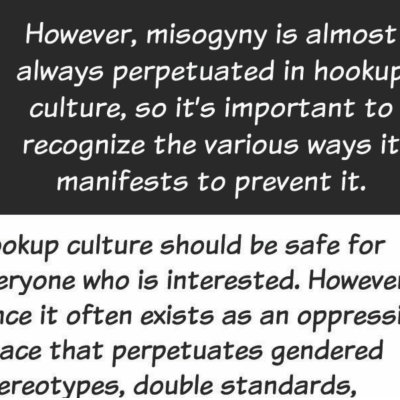
While navigating hook-up culture, we may exercise our agency to express our sexuality but at the same time, may face risks to our safety and bodily integrity as well as obstacles engendered by misogyny, rape culture, heteronormativity, and double standards.
By Curated Content

Breaking new ground: Maja Ma’s portrayal of queerness in a traditional Indian family
This reconciliation between Pallavi’s public (seemingly) heterosexual and closeted lesbian identities points to a distinctly Indian way of avoiding polarities through a new social arrangement where both identities are allowed the space to flourish.
By Juhi Sidharth and Chaitanya Ravi