Gender

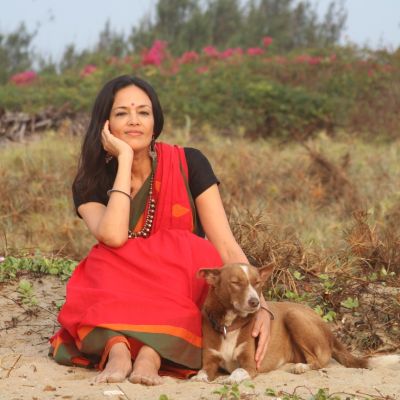
Interview – Tishani Doshi
I’ve essentially thought of movement as a kind of freedom, but one that has the capacity to destabilise you in some way. My most creative moments are when I’m not moving, when I am in fact rooted and still.
By Shikha Aleya
January 16, 2026
On Learning and Becoming: “To Whom Do I Owe the Woman I Have Become?”
We become women before we become a woman. Of course, we don’t need to try hard to do so…We learn the sides and folds of the gendered box we are in before we gain the perspective to decide we don’t fit in and build a customised box or choose to have no box at all.
By Anjali
Meanings and Meaninglessness
Gender has perplexed me throughout life. I never quite understood femininity or masculinity much – I mostly lived in what other people thought I was. One thing I did know always is that I never, ever, want to be seen as a man. But can I still hold masculinity?
By Sudipta Das
January 16, 2026
How would it be if we grew up embracing sexuality?
Growing up is a tedious task in our society because of the institutionalised practices, societal constructs and boxed identities and expressions that we are expected to adhere to. Anything beyond these implies harm, danger, and deviance.
By Sreejani
January 16, 2026
Not Quite Anything
He didn’t wear his identity on his sleeve, and therefore he seemed more real than most people who did.
By Taarina Therese Chandiramani
January 16, 2026
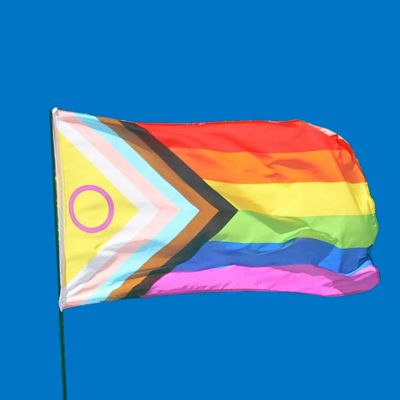
भाषा की ताकत – LGBTQIA+ पहचान और समावेशिता की दिशा में क़दम
भाषा सिर्फ अभिव्यक्ति का माध्यम नहीं है, यह पहचान, संबंध और संघर्ष का भी ज़रिया है। भाषा सामाजिक संरचना, पहचान और सत्ता-संबंधों को दर्शाने का भी औज़ार है।
By Imran Khan
January 16, 2026

Editorial– CSE and Affirming Ecosystems
CSE’s ‘natural habitat’ is often considered to be the classroom, but as our contributors show us, CSE also lives, breathes and thrives in habitats as disparate as neighbourhood parks, jobs-training centres, playgrounds and sports fields, law schools, family discussions, and digital spaces.
By TARSHI
December 16, 2025

When Rights Aren’t Enough: Exploring Sexuality Education in India’s National Law Universities
Without explicit attention to desire, intimacy, and emotional negotiation, legal concepts remain abstract rather than practicable.
By Prerna

Ms. Pleasant Gets Stubborn
… spaces led by the desire to not just protect but also educate all who connect with children…
By Reema Ahmad
December 16, 2025

My CSE Sundays
CSE survives in information as well as in the values that carry it forward.
By Khushi Kaushal
December 16, 2025
Editorial– Friendship and Sexuality
Friendship – a place where we can be ourselves as we truly are, with no artifice. A place of peace,…
By TARSHI
November 17, 2025
November 17, 2025

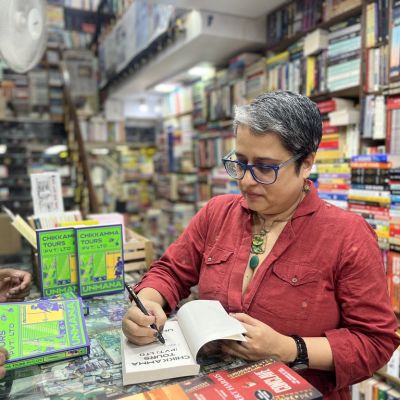
Friends of Paper, Friends of Flesh
That’s what books do, they open up the world to new possibilities, let you live a life bigger than your own.
By Ambica Naithani
November 17, 2025
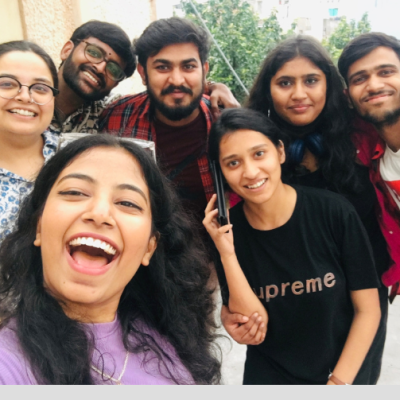
In Between Deadlines and Debriefs: On Friendships at Work
In those moments of doubt, when we wonder whether we can really make a difference in the world, it is often our work friends who remind us why we began.
By Nandhini Jaishankar
November 17, 2025
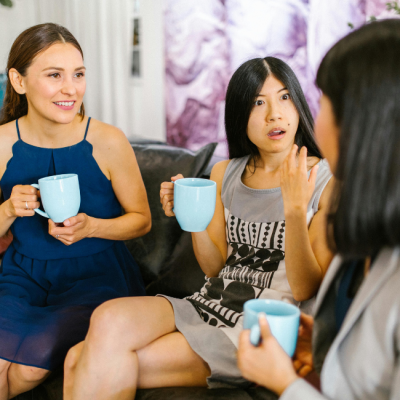
The Heart of Dating: The Debrief
The Debrief is a girlhood ritual as old as dating itself.
By Tanvi Khemani
November 17, 2025