Gender

Editorial: Diversity and Sexuality
In our mid-month issue, we have the second part of the Shikha Aleya’s interview with six different people talking about aspects of sexuality and diversity from their own particular space of personal knowledge, as well as work, advocacy, art and activism across diverse fields.
By TARSHI
May 15, 2019

January 13, 2025

May 18, 2026

Editorial – Sports and Sexuality
Cricket, football, hopscotch, whatever the game, we have all wanted to be included for the sheer joy not only of exercising body and mind but also of being part of a team, of being noticed and celebrated. Sports and athletics offer us a playground to explore and express parts of ourselves that may otherwise forever lie dormant.
By TARSHI
April 21, 2023
Editorial – Masculinities and Sexuality
It’s time to scrape off the thick dark crusts of carelessly slapped-on murky hues of toxic masculinities and to bring out the brushes and the paints to paint masculinities in their true and glorious colours of life, freedom and love.
By TARSHI
May 19, 2025

Editorial – Digital Intimacies and Sexuality
We humans are sometimes able to squeeze kindness out of a stone. And love out of nowhere.
By TARSHI
March 17, 2026
Editorial – Celebrating Sexuality
100 issues, 8 years! Thank you, dear readers and contributors! As we planned for this issue to put on our…
By TARSHI
March 15, 2022

Editorial – Anthology Jan 2026
To remind us of what spaces that are safe, inclusive and self-affirming for each person could look like, we have curated a selection of articles from the last five years of In Plainspeak for this anthology – our gift to wish you a wonderful 2026.
By TARSHI
January 16, 2026

Editorial – The Pandemic and Sexuality
This month’s offering of articles, poems and fiction is an eclectic mix that (mostly) reflects what was borne out of the pandemic, and its impact on sexuality, intimacy, relationships, and more.
By TARSHI
May 16, 2024
Editorial – Queering as a Way of Life
Queering is not about being queer but about doing queer – about going beyond binaries of gender and sexuality, questioning accepted perspectives, and challenging and upending normative ways of being in the world.
By TARSHI
July 22, 2024

Editorial – Parents, Teachers, and CSE
Each time a child or adolescent asks a question that may be (even indirectly) related to sexuality, many parents and teachers get squirmy and nervous. This may be because they themselves do not have the information required, but in most cases, it has more to do with the ‘hush-hush’ that surrounds sexuality.
By TARSHI
December 18, 2024
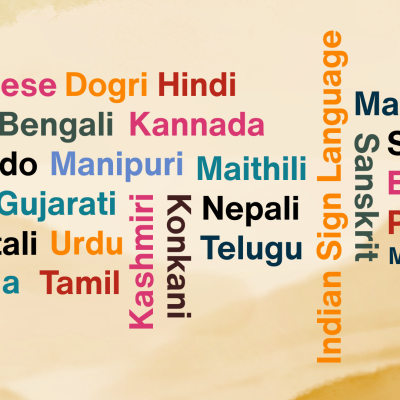
Editorial – Language and Sexuality
The glorious heights of self-actualisation to which some words beckon us, the promises lying within others, it’s all language.
By TARSHI
July 16, 2025
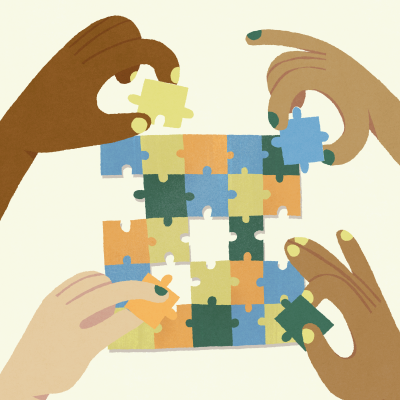
Editorial – Gender and Sexuality
Gender and sexuality are like constituent parts of a jigsaw puzzle that keeps morphing in such a way that nothing ever ‘fits’ for long, and the game begins anew each time.
By TARSHI
November 19, 2024
Editorial – Consent and Sexuality
Looking down upon the earth from many miles up in the sky, the divisions between land masses and water bodies…
By TARSHI
March 17, 2025
Eden’s Witness
Today I told him that rain wasn’t from evaporation or condensation. I said clouds cried because they missed water so much.
By Taarina Therese Chandiramani
September 18, 2025