Gender

Are they people or just a number?
You see, numbers are tricky, data is tricky. More importantly, data is dehumanising. Add sexuality and intimacy to this and the waters get even murkier. Maybe it’s good to leave a few things unaffected by too much data. Maybe we do not want to talk about data and sexuality. Maybe we instead want to talk about why data around gender and sexuality must not be recorded, and instead, maybe focus on why we should honour every kind of sexual preference which is within the purview of the safe and consensual.
By Asmi
May 15, 2021
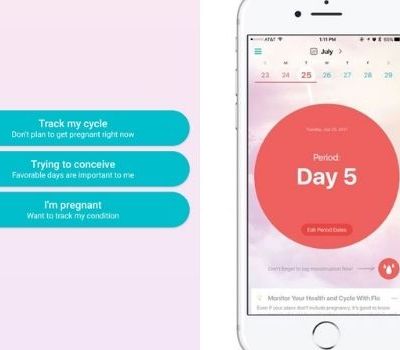
Does Your Period Tracking App Ask You About Your Sexuality Or Your Contraceptive Pills?
Period tracking applications can also inform you about your general reproductive health and also caution you in case of an anomaly with respect to it. As menstruators in our undergraduate years, the primary reason I saw my friends using period trackers were to keep a track of when to carry menstrual products to college or avoid the risks of pregnancy.
By Curated Content

Editorial: Vulnerability and Sexuality
Vulnerability – is it a condition we find ourselves in? A state of being we choose? Let’s keep it very simple: it depends on the approach we take to defining it. In the former approach, we are ‘done to’, while in the latter we are consciously ‘doing’.
By TARSHI
April 19, 2021

Being Comfortable in My Skin
I felt naked in front of everyone when I first came out, and I can’t stress enough how much my male privilege has helped me out here. I don’t even know if people found it serious enough to consider it my identity instead of ‘a mere sexual preference’ or ‘a phase’ (always a classic dismissal).
By Gokul KP
April 5, 2021

Claiming One’s Space After False Sexual Harassment Allegations
Those who are rendered vulnerable due to their gender or sexuality, particularly those who are economically and socially disadvantaged (or less powerful) and lack the agency to speak up for themselves, are more prone to allegations, social ostracism and marginalization.
By Andy Stephen Silveira
Spinning Straw into Gold: Older Womxn Celebrate Sexuality and Spirituality
The most satisfying spiritual and sexual experiences I’ve had were not in my twenties, thirties or even forties. They have been in my 50’s. The most insightful spiritual insights, and the most orgasmic orgasms have both arrived in middle age.
By Nighat Gandhi
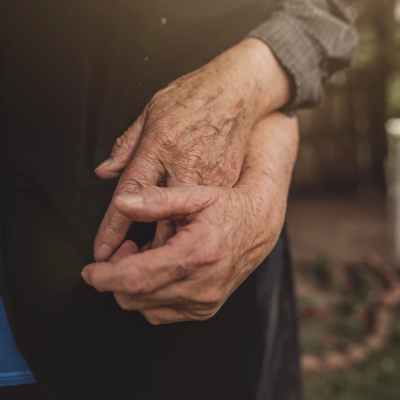
Age no bar
While the idea of older adults and sex is a taboo in itself, the idea of older adults exploring their sexuality, by engaging in same-sex relationships, or by experimenting with the way the look, or by becoming more sexually active, causes even greater discomfort.
By Aamena
March 1, 2021
A Manifesto for Single Women
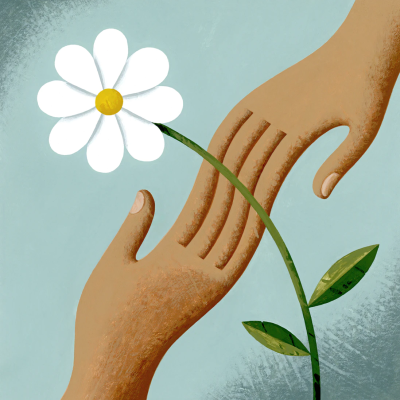
Singleness represents eschewing all that patriarchy imposes on us in the name of emotional and financial protection. Women who decide not to marry defy age-old ‘wisdom’ mixed with terrible psychological and biologically-backed explanations.
By Sonia Soans
February 1, 2021

Queer Heterosexual, Heterosexual Queer: Two Tales of Queer Love 100 Years Apart
The lovers enact many recognizable hetero-normative romantic tropes – the wronged petulant woman pacified via kisses and caresses, the woman too tired for sex who then tries to placate the sulking male lover.
By Mamatha Karollil
Brushstrokes: Fiction Comic: Unwrinkled Saris And Just Another Evening
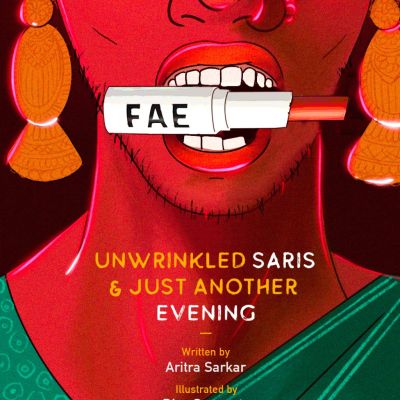
In a society ruled by heteronormative patriarchal structures, expressing one’s gender or sexuality outside the trimmings of what is socially acceptable is an act of resistance.
By Curated Content

Sign Language, Language, Sexuality and Innovation
In a recent class, I asked Kanika and Tincy, our ISL teachers, how we could sign sexuality, and they asked, “How do you explain sexuality?” I wondered how I could sign ideas like attraction, pleasure, gender, values, and so on, but tried nevertheless, using my limited vocabulary, apologetic about being reductive.
By Vani Viswanathan
August 14, 2020

An open letter to a former friend
(Tread gently. This article contains material on sexual assault) Dear A, I don’t know why I’m writing this. Maybe it…
By K F
June 15, 2020
COVID-19: Can A Health Crisis Become A Breeding Site For Gender Inequality?
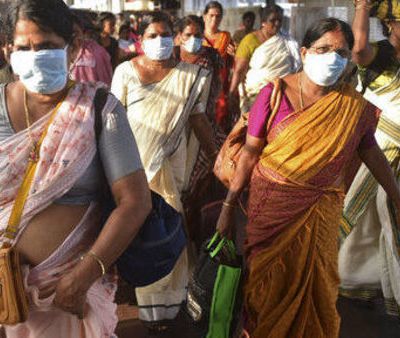
The novel Coronavirus disease (COVID-19) outbreak has become a breeding site of gender inequality with social distancing measures that threaten…
By Feminism in India

Editorial: Literature and Sexuality
As we see through this issue of In Plainspeak, stories have in them the power of exposing brutal truths about society and therefore also bring with them the possibility of reform, change, and hope, and when not possible, temporarily escaping into other worlds.
By TARSHI
March 16, 2020

The Politics of Sexuality: Through Manto’s License
Manto’s writings reflected both his own context and more. His stories dealt with eternal issues like love, deceit, pain, friendship and materialism. They also dealt with the specificity of national liberation movements, partition and the class-caste-religion matrix influencing human relationships in the particular context of South Asia.
By Rashmi Gopi
March 2, 2020