Gender

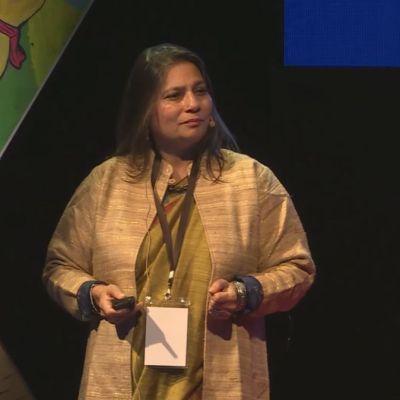
Video: Diversity and its Impact on the Workplace | ARTI CHAUDHRY | TEDxGIBS
If the workplace looked anything like our world, it would have 50% men and 50% women, 7% would have a college degree, 55% would have access to the internet, and only 70% would have access to a smartphone.
By Curated Content
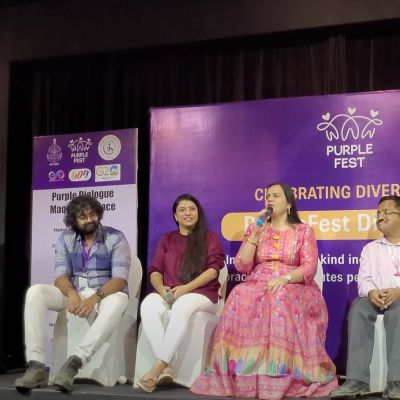
Autonomy, agency, choice: Yes these are for us
The linkages between access, health, violence, the law, workplaces, gender and sexuality are really high and that’s why we all today—whether we are working on street accessibility, education, disability and employment—need to bring and build our collective understanding around gender and sexuality, keeping it at the core of our work with people, youth, and women with disabilities.
By Nidhi Goyal and Srinidhi Raghavan
February 16, 2023

साक्षात्कार – श्रीनिधि राघवन
ऐसी जगहों की बहुत कमी है जहां विकलांगता के साथ जी रहे लोग अपने यौनिक अनुभवों या यौनिक जिज्ञासा के बारे में खुलकर बात कर सकें। खास तौर पर विकलांगता के साथ जी रहे युवाओं पर हर वक़्त निगरानी रहती है जिसका मतलब है कि वे यौन अनुभवों से वंचित रह जाते हैं और अपनी यौनिकता को समझ नहीं पाते।
By Shikha Aleya
December 12, 2022
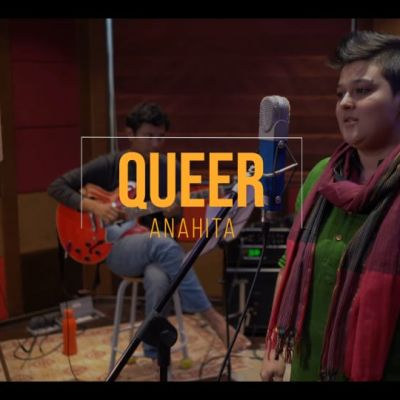
Video: Anahita – Queer
Watch Queer, a hard-hitting spoken word poem by Anahita Sarabhai, co-founder of QueerAbad.
By Curated Content
December 12, 2022

Issue in focus
Companions take many forms. Using the word very loosely here, a companion is anyone the self is connected to, anywhere, at any point in time, from a family member, to a stranger on a train.
By Shikha Aleya
November 15, 2022
Building Safe Spaces In Threatening Places
If sharing was a proverbial coin at the rehabilitation facility, connections were one side of it, and sexuality was the other. Men and women were not allowed to touch one another – no handshakes or hugs or an eager slap on the back.
By Trijita
November 15, 2022

Walks, Braids, Miranda, and Memories
This was the time we were growing up, learning new things, reading new books and discovering something new almost every day, and this all-women space provided an opportunity to do that without requiring any pretence or catering to the male gaze.
By Ambica Naithani
November 15, 2022

Sunflowers on a Frosty Morning
A few days ago, in a telephonic conversation with my mother, I was made aware of the inadequacies of my…
By Neel
September 19, 2022
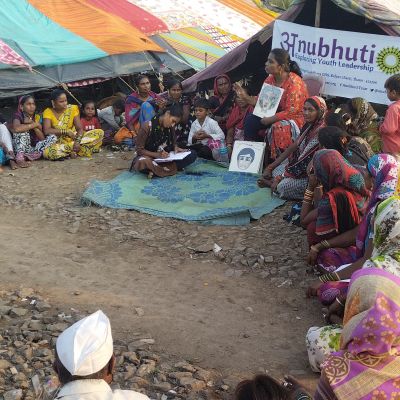
Interview – Deepa Pawar
Deepa Pawar is the Managing Trustee & Founder Director of Anubhuti Trust, and is well-known for her work with NT-DNT…
By Shikha Aleya
September 1, 2022

Of Identity and Belongings: The Gatekeeping within Queer Spaces
I went to a girls’ high school and for somebody who had spent the last ten years in a co-ed…
By Shubhangi
September 1, 2022

Issue in Focus
Expanding contexts give the word ‘movement’ different meanings and value. Physical, conceptual, technological, relationship, emotional, mental, power, knowledge, ability, access, may be amongst the contexts immediately identified.
By Shikha Aleya
May 3, 2022
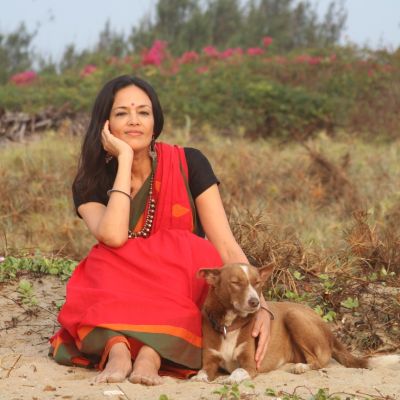
Interview – Tishani Doshi
I’ve essentially thought of movement as a kind of freedom, but one that has the capacity to destabilise you in some way. My most creative moments are when I’m not moving, when I am in fact rooted and still.
By Shikha Aleya
May 3, 2022

Shouldn’t The World Be Big Enough?
We live in a world where resilience is celebrated and given priority over attempting to resolve factors that force one to be resilient. Campuses shouldn’t aim to merely be inclusive of diverse individuals – they must strive to not only affirm them but also celebrate them.
By Mythili Menon
April 18, 2022
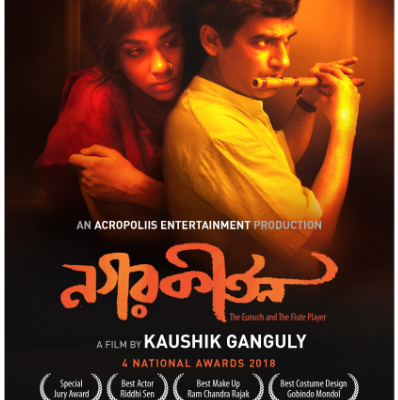
Locating the ‘Nagar’ in ‘Nagarkirtan’: Identifying the feeling of socio-sexual rootlessness in the Transgender community
The plot of the movie narrates the tale of the love that grows between two people who are struggling to survive in a world of rootlessness and are continuing to make a cosy home for themselves. The love between Madhu, who works as a food delivery boy, and Puti, who survives by singing at traffic signals, blossoms while they cross paths everyday at the traffic signal and the look that they exchange appears to us as if each of them is trying to find a home in the other.
By Ria Basu
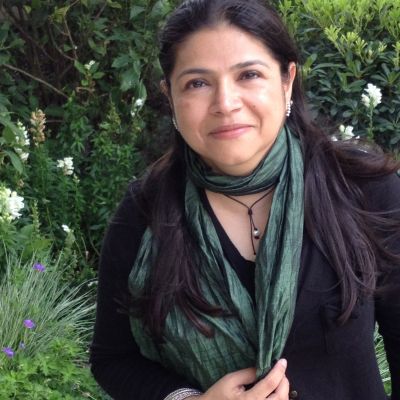
Interview – Sameera Khan
But what has been amazing to witness is how quickly young women in particular, took to the ideas of Why Loiter? and pushed them even further, creating new movements to expand women’s rights to the public, including the right to be out late at night, to stretch the curfew at women’s hostels, to demand extended access to women’s toilets, to public transport etc.
By Shikha Aleya
April 1, 2022