Disability

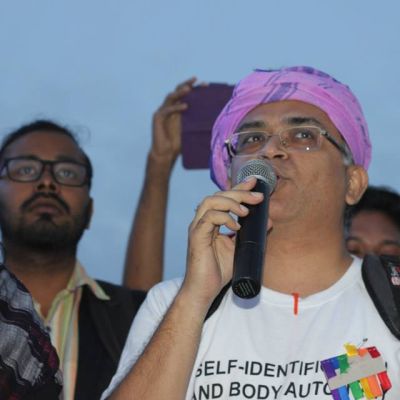
INTERVIEW: PAWAN DHALL ON HIS OWN JOURNEY OF BUILDING COMMUNITIES – PART 2
Shikha Aleya: What are some of the biggest barriers you have faced in your efforts to create dialogue and visibilise…
By Shikha Aleya
Interview: Nidhi Goyal
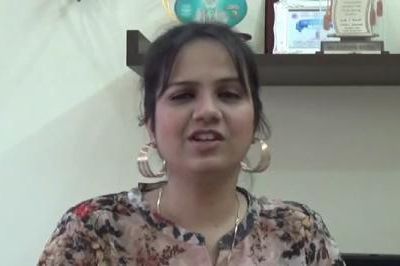
Nidhi Goyal is a gender and disability rights activist from Mumbai, India. Anisha Dutt: Your journey as a disability and gender rights activist…
By Anisha Dutt
June 1, 2015
Interview: Jeeja Ghosh
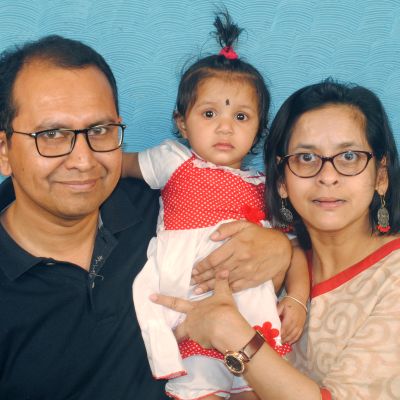
Jeeja Ghosh is a disability rights researcher and activist, feminist, parent, writer, scholar and trainer. Her lived experience of disability, and of standing up against discrimination and injustice, is at the core of her work and insights. Shikha Aleya interviews Jeeja about mobility across divides other than the physical.
By Shikha Aleya
August 1, 2019
Interview: Dr Shanti Auluck
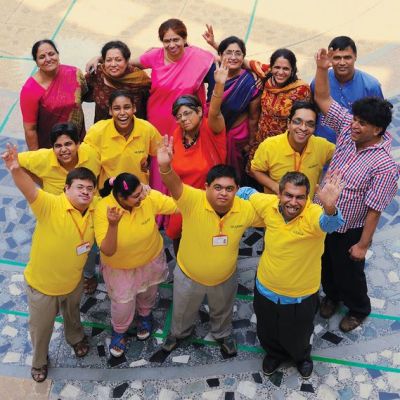
Muskaan, established in 1982, is a voluntary organisation of parents and professionals that has grown into one of New Delhi’s…
By Shalini Sinha
August 22, 2014
Interview: Diversity and Sexuality – Part 2
Here, in Part 2, each interviewee addresses aspects of sexuality and diversity from their own particular space of personal knowledge, as well as work, advocacy, art and activism across diverse fields.
By Shikha Aleya
May 15, 2019
Interview: Diversity and Sexuality
For the two-part interview section of this month’s In Plainspeak, Shikha Aleya spoke to a few individuals who continue to push the boundaries of their work, art, and social norms, and expand the understanding of diversity and sexuality.
By Shikha Aleya
May 1, 2019
Interview – Tishani Doshi
I’ve essentially thought of movement as a kind of freedom, but one that has the capacity to destabilise you in some way. My most creative moments are when I’m not moving, when I am in fact rooted and still.
By Shikha Aleya
May 3, 2022
Interview – Tishani Doshi
I’ve essentially thought of movement as a kind of freedom, but one that has the capacity to destabilise you in some way. My most creative moments are when I’m not moving, when I am in fact rooted and still.
By Shikha Aleya
January 16, 2026
Interview – Sameera Khan
But what has been amazing to witness is how quickly young women in particular, took to the ideas of Why Loiter? and pushed them even further, creating new movements to expand women’s rights to the public, including the right to be out late at night, to stretch the curfew at women’s hostels, to demand extended access to women’s toilets, to public transport etc.
By Shikha Aleya
April 1, 2022
Interview – Anjlee Agarwal
Self-care is influenced by the environment we inhabit, the way we relate to others, the way we negotiate with other living beings or structures. Self-care is also interlinked with other types of care – whether that is in community resources, psychosocial support, engagement with medical and health care institutions, and of course in collective agency and solidarity.
By Shikha Aleya
February 4, 2023
Interview – Abha Khetarpal
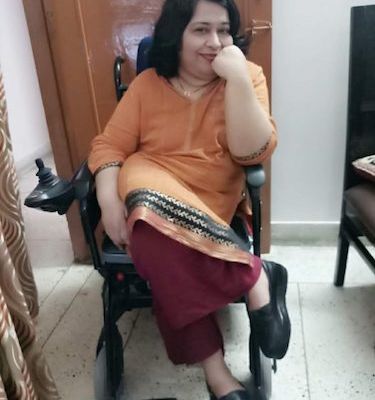
Abha Khetarpal is a disability rights activist and self-advocate, writer, motivational speaker, and President of Cross the Hurdles, a resource…
By Shikha Aleya
May 1, 2020
Interview – This is what you bring to the table!
In this write up, we’d like to share a sense of what emerges from a compilation of these responses. This is based on the thoughts and feelings that come through for those of us here at In Plainspeak who have had the joy of reading the original responses as they came in to us. (Some of the quotations that follow have been slightly edited for flow and to help connect themes.) We know that most things in the realm of art, information and ideas lend themselves to a wide range of inferences and insights depending on the individuals making the inferences.
By Shikha Aleya
March 1, 2022
Interview – Parmesh Shahani
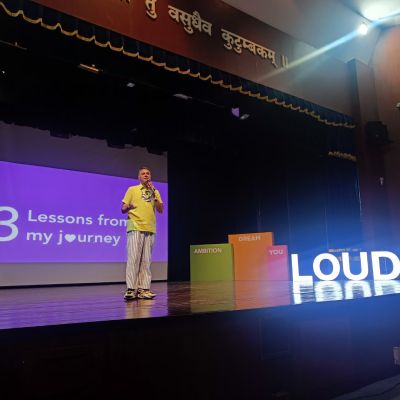
The larger question is, who gets to bring all of themselves to the workplace, and who is either not allowed, or feels scared, or is bullied for doing so?
By Shikha Aleya
September 18, 2024
Films of Desire/Bodies of Desire
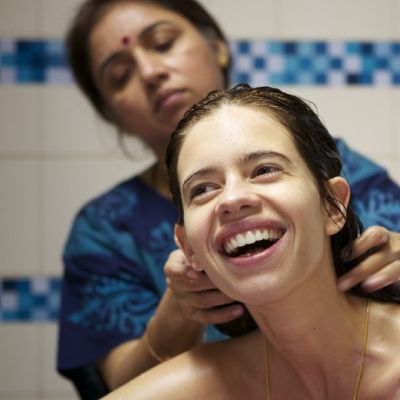
The Church says: the body is a sin Science says: the body is a machine Advertising says: the body is…
By Geetanjali Misra
June 1, 2015
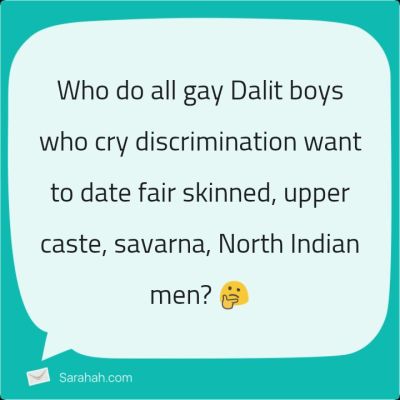
F*** me, I am Dalit
I read The Failed Radical Possibilities of Queerness in India more than a year ago and it still makes me…
By Akhil Kang
October 3, 2017