Comprehensive Sexuality Education


Interview – Dr. Ketaki Chowkhani
I feel that parents, teachers and CSE can make room for these disparate realities of adolescents by first acknowledging the limits of formal sexuality education, that the curriculum imparted formally fails in providing the kind of learning that happens through other sources.
By Shikha Aleya
December 18, 2024
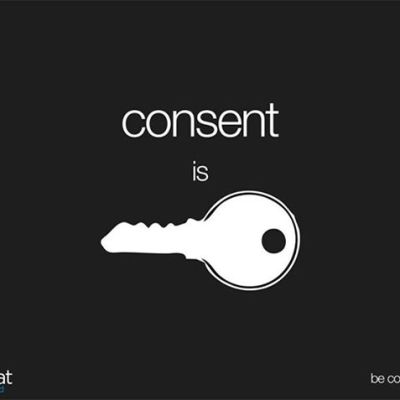
I Wish He Had Respected My ‘No’ In The First Place
This post is part of TARSHI’s #TalkSexuality campaign on Comprehensive Sexuality Education in collaboration with Youth Ki Awaaz. The author chose to remain anonymous. I met…
By Guest Writer
March 12, 2015

Hot Girls Wanted – Keeping up with the times
Because the Internet is an integral part of our daily lives, it is important that young people are given the right information so that they can explore the world around them, access information without violating legislations, know their rights in the virtual and physical world and have enjoyable and consensual relationships with whoever they choose.
By ElsaMarie D'Silva
August 3, 2020
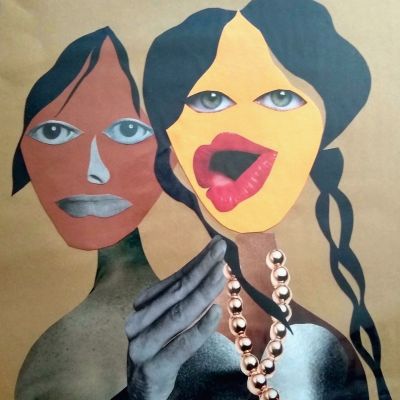
Hello?! Every Body in the R(/Z)oom?
Now, what you need is a good enough smartphone and sufficient data – these are the real “superstar” in the love affair between Big Tech and CSE.
By Gunjan Sharma
December 18, 2023
Guilty Learnings: Breaking the Cycle with Comprehensive Sexuality Education
It is unfortunate that one of the most fundamental processes of human life is shunned to the extent that we’ve been taught, and so we learn to dismiss the natural feelings our bodies produce.
By Sanchia Alleen Aranha
Girls, Shame, and Favourite Vegetables
“It’s rather unfortunate that our educational institutions and systems are so reluctant to understand, or they simply ignore, the importance of providing our youth with CSE that can help erase the shame and crippling self-doubt around sexuality, bodies, reproductive rights and wellness.
By Gayathri M R
August 25, 2023

From ‘I wish I knew!’ to ‘Is it right to tell them this?’
I wish my elders had told me about more than just bleeding when they talked about menstruation. I wish they…
By Asmi
From Knowing To Doing
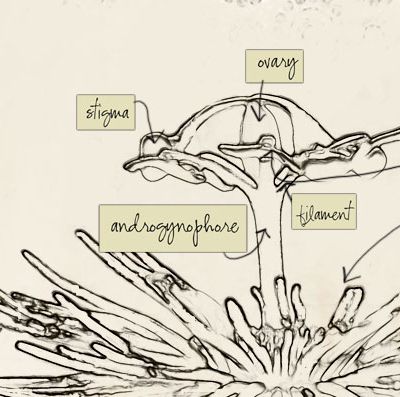
At 13, I could (correctly!) explain the reproductive system of a plant. I’d been rather intimate with the anatomy of…
By Rishita Nandagiri
February 15, 2015
From Judy Blume To The Sexy Internet: What Counts As Erotica?
This question of appropriateness is, for me, at the heart of all questions around sexuality. Each of us carries within us our own private benchmarks for which expressions of sexuality we find appropriate, and which ones, in turn, have crossed an invisible line. The ones we believe belong across the border, in the land of the inappropriate, of the too much.
By Richa Kaul Padte

Freedom and sexuality: walking hand in hand with robots
Where we are now: In August this year the Supreme Court of India declared that privacy at its core includes…
By Suchitra Dalvie
December 4, 2017

June 15, 2026

Engaging With Diversity and Sexuality in Education
From my experiences, I find that diversity is not an end unto itself. Instead, it is a tool for reflection, a mirror that shows not only who we, and the society we live in, are in the present, but what we aspire to be in the future.
By Dana Burton

Editorial– CSE and Affirming Ecosystems
CSE’s ‘natural habitat’ is often considered to be the classroom, but as our contributors show us, CSE also lives, breathes and thrives in habitats as disparate as neighbourhood parks, jobs-training centres, playgrounds and sports fields, law schools, family discussions, and digital spaces.
By TARSHI
December 16, 2025
Editorial: Support Systems and Sexuality
Connection is essential for our survival – physical, mental, emotional and spiritual. We connect with people, form networks of care and support, and in a sense weave webs of safety and comfort that we can turn to when stressed or simply want to infuse a dose of joy into our day.
By TARSHI
November 16, 2020
Editorial: Privacy and Sexuality
In our mid-month issue, we have Mamatha Karollil writing about how she asserted herself after an incident of privacy violation when a nude picture of herself was seen by someone from work without her consent, and how ripping through, or not getting into, the cocoon of shame and dishonour, can prevent much distress…
By TARSHI
September 16, 2019