Activism

Violation of Sexual and Reproductive Health Rights (SRHR): Where are the Women With Disabilities?
What vindicates the argument that women with disabilities (WWDs) should be deprived of sexual and reproductive healthcare and rights is scary. Harmful stereotypes of WWDs include the belief that they are hypersexual, incapable, irrational and lacking control. These narratives are then often used to build other perceptions such as that WWDs are inherently vulnerable and should be ‘protected from sexual attack’.
By Smruti

Videos by Breakthrough
Breakthrough’s video – Mann ke Manjeeré – winner of the Screen Awards 2001 in India and nominated for MTV’s ‘Best…
By Breakthrough
July 1, 2014
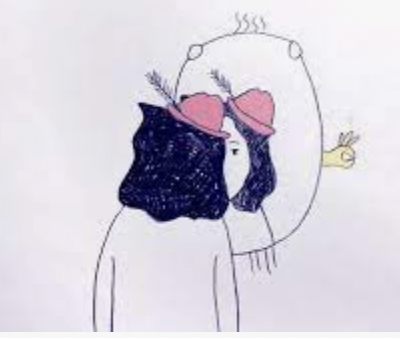
Video: How to be a Friend to Yourself
This thought-provoking, luminously illustrated The School of Life video reminds us of self-compassion being essential to building our own selves up, and being a safe space where we can extend the same love and imagination to our vulnerabilities, insecurities, fears, and doubts as we do to our friends.
By Curated Content
July 5, 2021
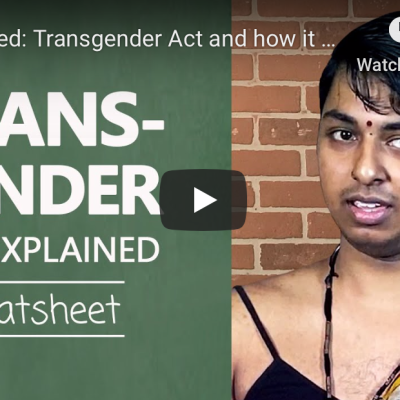
Video: Explained: Transgender Act and how it affects the community
Trans rights activist Kanmani Ray succinctly lays down the concerns around the Act, points out how its language reinforces the gender binary and highlights the fact that while seeking to protect the rights of trans people, the Act in fact discriminates against them.
By Curated Content
September 1, 2020
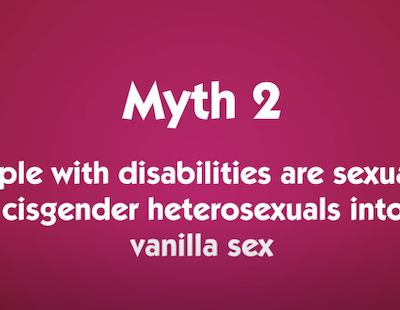
Video: Disability and Sex
Dr. Lindsey Doe debunks myths around disability and sexuality, at once carving out space for affirming and inclusive discussions and challenging negative and harmful stereotypes. Emphasising the sexuality of people with disabilities as rich and diverse, Lindsey wonders what inclusive sexual and reproductive health and rights really mean.
By Curated Content
August 2, 2021
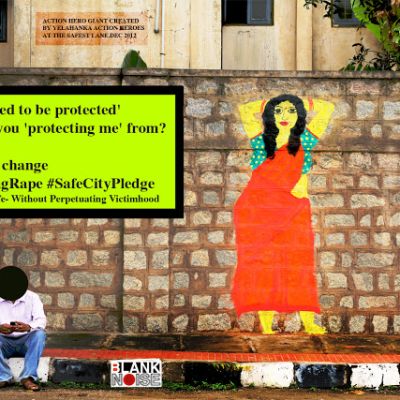
To The Beat Of Activism
The rape and murder of a young woman in New Delhi on December 16, 2012, left the Indian public consciousness…
By Pattie Gonsalves
July 1, 2014

This is how we do it
We need to recognise that mental health stressors that queer people face are not because something is inherently wrong with them.
By Shruti Chakravarty
September 1, 2022
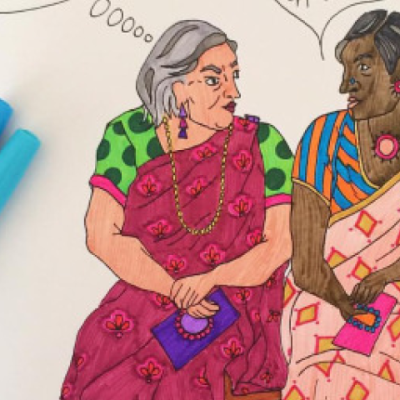
The ‘Aunty’ Body And All That Follows
The issue with the ‘Aunty’ body arises from a deeply misogynistic and dehumanising understanding of women. In this imagination the woman, whom the world now addresses as ‘Aunty’, has basically served her purpose of marriage and child bearing, and is hence rendered useless.
By Feminism in India
March 15, 2021
The Politics of Self Care and Feminism
In a time when reason is more valued than emotion, unravelling and understanding the politics of self-care becomes all the more fundamental for us, and the movements we seek to develop and build. When our bodies, our emotions and our needs become weapons to be used against us, acts of defiance become rooted in thinking about your self and how we practice it. I find I am faced with more questions than answers, but I also know that asking the questions is the first step to finding the answers
By Curated Content
July 19, 2021
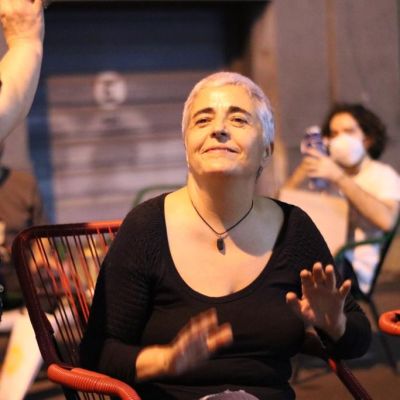
The Nun Within: Reflections on our self-care workshops with activists
I know that the lives of many human rights defenders are under continuous threat, that sometimes it is impossible to sleep or to enjoy a moment of peace because of the harassment coming from the outside. What I address in this text is our internal disposition as activists, and the ideas that stop us from taking care of and holding ourselves together.
By Rosa Posa Guinea
The Editorial: The Internet and Sexuality
Our desire to connect is perhaps one of the human aspirations that both Sexuality and the Internet serve. And with the Internet we now have new ways, unthought of even twenty years ago, of connecting with each other, and even at times with ourselves, finding aspects of our selves that we did not know existed.
By TARSHI
June 15, 2017
The Editorial: Art and Activism
Art has the potential of reaching out to wide and diverse audiences and speaks to them in different ways. Therein…
By TARSHI
July 1, 2014
Steering Through Singlehood
I am 27 now and marriage is the most brought-up topic of conversation by my parents and relatives. Now, choosing or wanting to stay single is inversely proportional to my reputation, respect, and worthiness.
By Nidhi Chaudhary
February 1, 2021
Spinning Straw into Gold: Older Womxn Celebrate Sexuality and Spirituality
The most satisfying spiritual and sexual experiences I’ve had were not in my twenties, thirties or even forties. They have been in my 50’s. The most insightful spiritual insights, and the most orgasmic orgasms have both arrived in middle age.
By Nighat Gandhi
Social Media
By: Women’s Rights Campaigning Info-Activism Toolkit People are more likely to trust – and act on – messages from people they…
By Curated Content
July 15, 2014